

Qasem Newashi
Labour Market Training and Post-Employment Services – AVSI Cash for Work Project - Rihab and Djeineh, Mafraq - Jordan
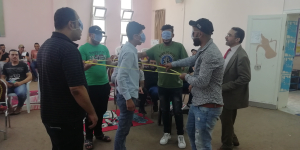
SRD Center Completes Labour Market and Employability Training in Mafraq
Mafraq, Jordan
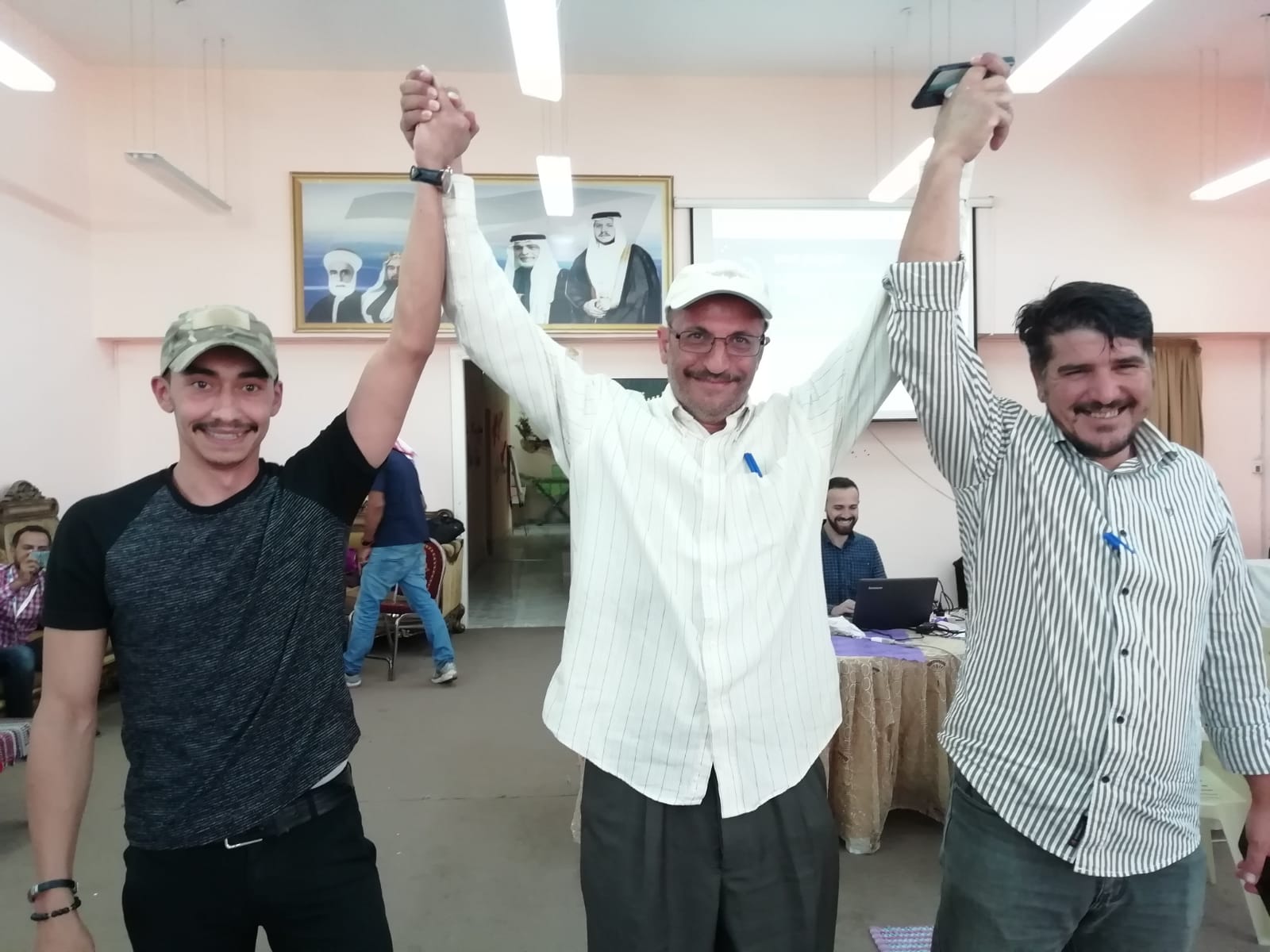
SRD Center has completed a labour market orientation and post-employment training programme for Jordanian and Syrian cash workers in Rihab and Djeineh, Mafraq Governorate. The training was delivered for AVSI Foundation under its Cash for Work project.
The programme reached more than 300 participants and aimed to strengthen their employability, workplace readiness, and ability to access sustainable and decent income-generating opportunities.
Participants completed eight core training modules, representing approximately 16 training hours per group. The programme covered self-awareness and employability skills, local employment opportunities, career planning, work ethics, CV preparation, job interviews, job-search methods, job applications, workplace communication, time management, and job retention.
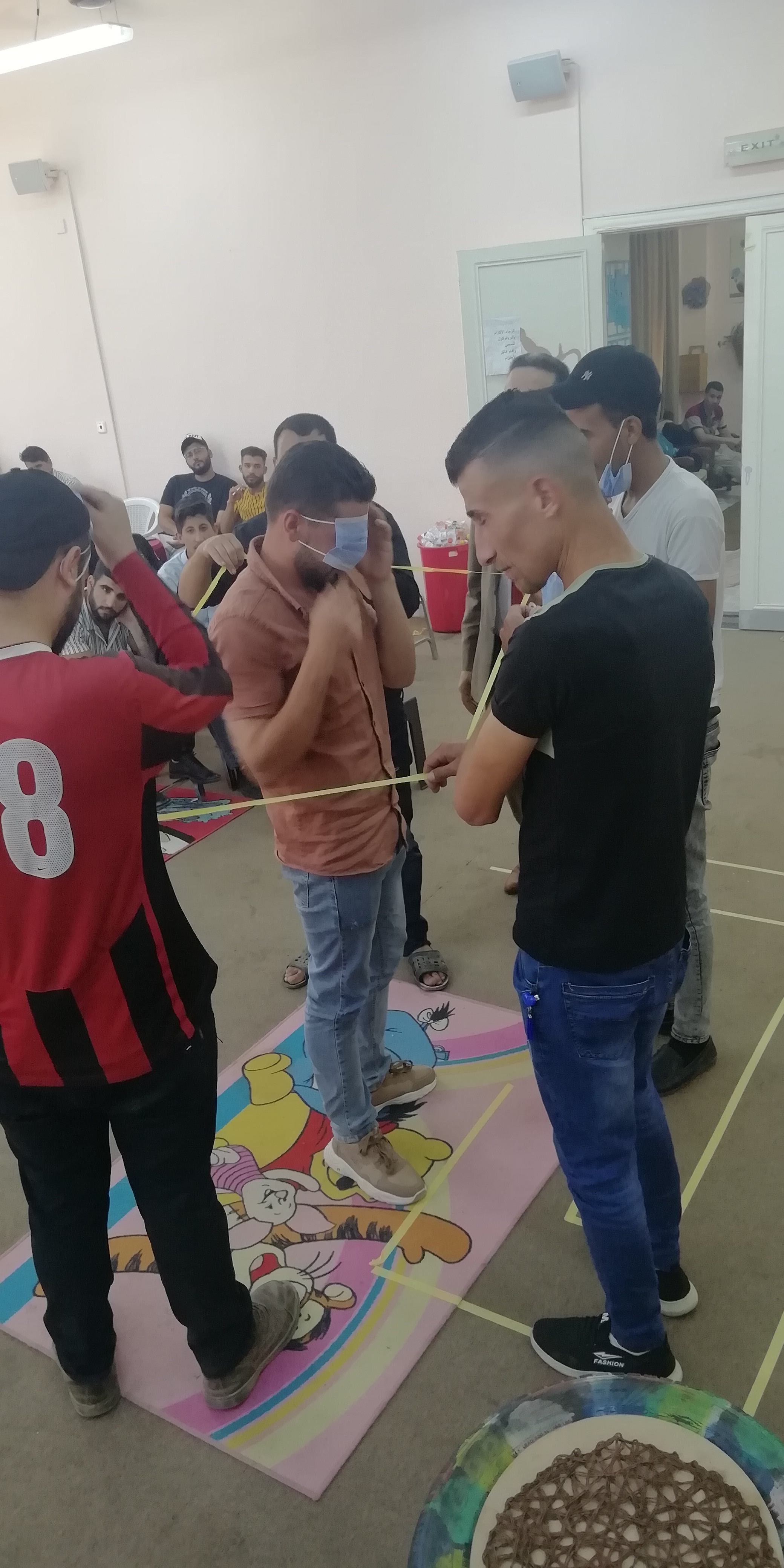
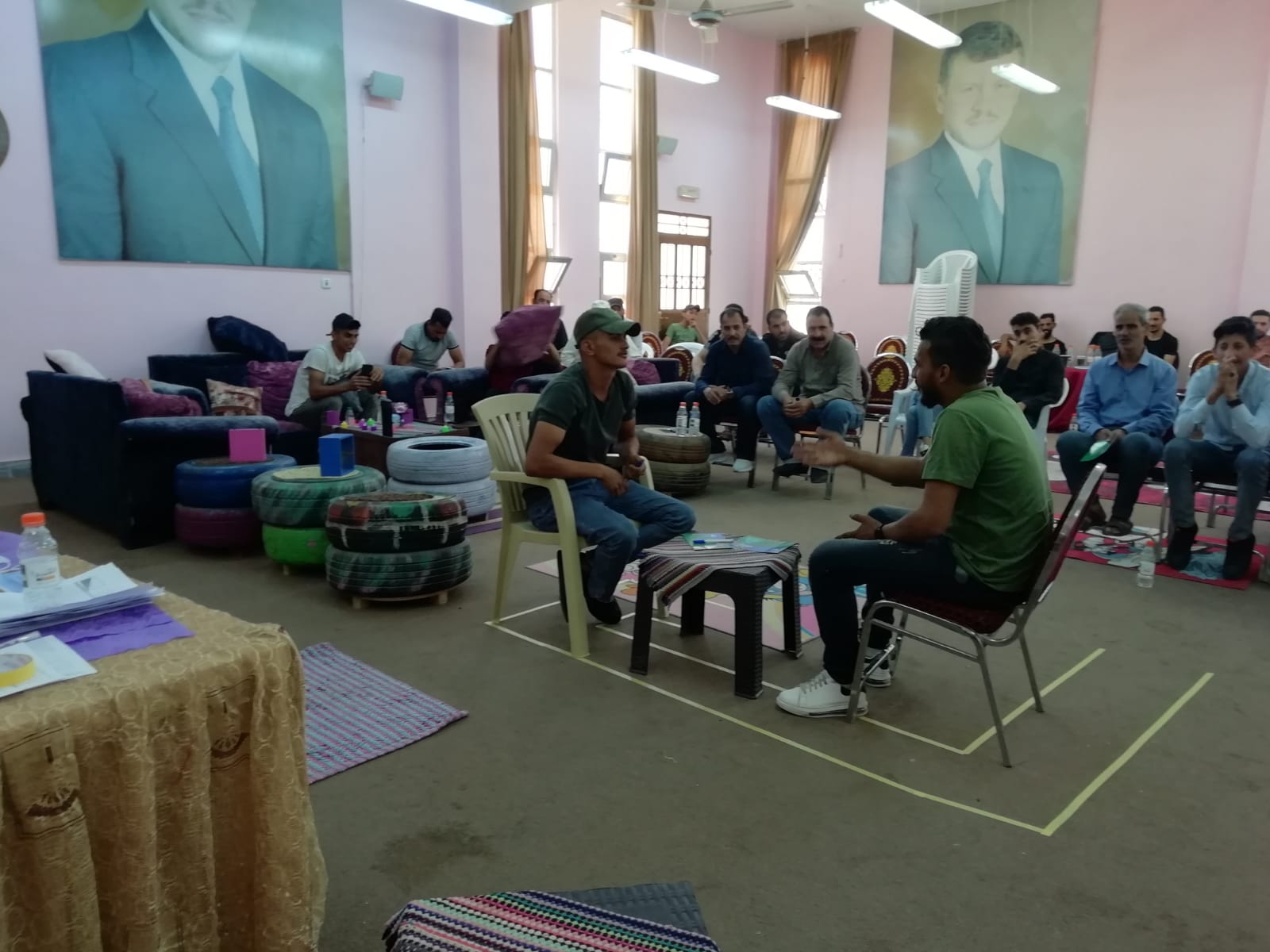
The sessions were delivered in Arabic using participatory and practical approaches, including self-assessment exercises, group discussions, peer learning, role-plays, case studies, interview simulations, CV drafting, and individual job-search action plans. The trainers adapted the activities to participants’ different educational backgrounds, work experience, and learning needs.
The practical exercises—particularly CV preparation, interview role-play, and job-search planning—generated strong participant engagement and helped participants produce practical tools that can support their transition to employment.
The final report highlights the importance of linking employability training with continued employer engagement, job referrals, vocational training opportunities, and individual follow-up. It recommends maintaining an updated network of local employers, vocational training centres, cooperatives, and business associations, as well as following up with participants to track job applications, interviews, employment, and job retention.
Through this programme, SRD Center and AVSI Foundation contributed to improving the employment readiness of vulnerable Jordanians and Syrians and supporting their access to more sustainable livelihood opportunities in Mafraq Governorate.
Attachments:
ورشة تدريب المدربين لبرنامج مقدم رعاية كبار السن
اختتمت بنجاح ورشة تدريب المدربين ToT لبرنامج مقدم رعاية كبار السن، التي نفذتها مؤسسة التدريب المهني من خلال معهد التدريب والتطوير خلال الفترة من 21 إلى 23 حزيران 2026، بواقع 15 ساعة تدريبية، وبمشاركة 8 مدربات مرشحات لتنفيذ البرنامج في الميدان.

سعت الدورة إلى تمكين المدربات من المعارف والمهارات التدريبية والفنية اللازمة لتنفيذ المنهاج الجديد بكفاءة، من خلال مراجعة الوحدات التدريبية، وتحليل مخرجات التعلم، وتعزيز مهارات التيسير وإدارة الجلسات، وتنفيذ أنشطة عملية وتفاعلية مثل العروض التدريبية المصغرة، المحطات التدريبية، تحليل المواقف، وتمارين التقييم والتغذية الراجعة.
كل الشكر لمؤسسة التدريب المهني ومعهد التدريب والتطوير، وللمدربات المشاركات على التزامهن وتفاعلهن الجاد طوال أيام الورشة. الاستثمار في إعداد مدربات مؤهلات في مجال رعاية كبار السن هو خطوة مهمة نحو تحسين جودة التدريب والخدمات المقدمة لهذه الفئة المهمة في مجتمعنا.
#التدريب_المهني #تدريب_المدربين #رعاية_كبار_السن #بناء_القدرات #التعلم_النشط #الأردن #TVET #TOT
The Training of Trainers (ToT) workshop for the Elderly Caregiver Programme was successfully concluded in Amman. The workshop was implemented by the Vocational Training Corporation (VTC), through the Training and Development Institute, and delivred by Qasem Alnewashi (SRD Center) from 21 to 23 June 2026, with a total of 15 training hours and the participation of 8 female trainers nominated to implement the programme in the field.
The workshop focused on equipping the trainers with the necessary technical and training knowledge and skills to implement the new curriculum effectively. It included reviewing the training units, analysing learning outcomes, strengthening facilitation and session management skills, and carrying out practical and interactive activities such as mini-training presentations, rotating training stations, case analysis, assessment exercises, and feedback activities. The assessment results showed a clear positive impact.
Sincere thanks to the VTC and the Training and Development Institute, and to the participating trainers for their commitment and active engagement throughout the course. Investing in qualified trainers in the field of elderly care is an important step towards improving the quality of training and the services provided to this important group in our society.
#VocationalTraining #TrainingOfTrainers #ElderlyCare #CapacityBuilding #ActiveLearning #Jordan #TVET #TOT
Labour Market Assessment Findings Review Workshop for Baghdad and Basrah
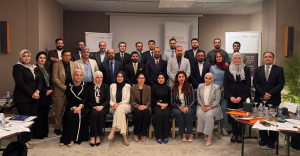
Under the CAIR III project, implemented by the International Centre for Migration Policy Development (ICMPD) and funded by the Ministry of Foreign Affairs of Denmark, the Labour Market Assessment Findings Review Workshop for Baghdad and Basrah was successfully completed on 30 June 2026 in Baghdad. The workshop was facilitated by SRD Center and brought together 27 public and private sector stakeholders representing key ministries, institutions, UN agencies, INGOs, and major companies from Baghdad and Basrah governorates.
The workshop provided an important space to review the findings of the Labour Market Assessment, discuss their relevance to labour market realities in Baghdad and Basrah, and identify practical priorities to support the economic reintegration of returnees. Participants emphasized that returnee employment support should move beyond stand-alone training and focus on stronger employer engagement, structured job matching, practical skills assessment, accelerated certification, and direct links between training and work opportunities.
The discussions also highlighted the importance of establishing a regular coordination mechanism among government actors, chambers of commerce, employers, training providers, NGOs, and programme partners. A shared referral system linked to labour market opportunities was also identified as a key priority. The workshop confirmed that sustainable reintegration requires practical, employer-linked pathways that make returnees’ skills visible, trusted, and connected to real opportunities in the labour market.
Many thanks to all participants for their valuable reflections, practical feedback, and commitment to strengthening evidence-based programming for returnee reintegration in Iraq.
#CAIRIII #ICMPD #SRDCenter #LabourMarketAssessment #Iraq #Baghdad #Basrah #ReturneeReintegration #Employment #SkillsDevelopment #PrivateSectorEngagement
Environmental Awareness and Green Work Practices Training
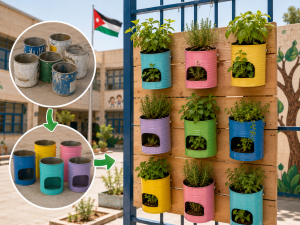
Two-day instructor-led, in-person workshop
Delivery mode: Face-to-face, instructor-led training
Duration: Two days
Language: Arabic or English, as required
Target countries: All Middle East and North Africa (MENA) countries
Delivery locations: The workshop can be delivered in all governorates of Iraq, Jordan, Libya, and Syria, subject to agreement, in other MENA countries.
Training overview
The programme supports the greening of jobs by helping participants understand how environmental responsibility can be integrated into everyday work practices across different sectors and occupations. It shows participants how simple workplace behaviours can reduce waste, conserve water and energy, prevent pollution, improve health and safety, and contribute to cleaner and more sustainable workplaces and communities. Furthermore, this practical training is designed for organizations and projects that aim to improve the employability and livelihoods of jobseekers, vulnerable youth, women, refugees, host communities, and other groups preparing to enter or re-enter the labour market.
The training is particularly relevant to employability, livelihoods, vocational training, short-term employment, Cash-for-Work, public works, school maintenance, municipal services, community development, and workforce-readiness programmes.
The workshop is delivered in person through face-to-face interaction and multimedia learning. It combines short presentations with practical demonstrations, games, team activities, discussions, and examples linked to participants’ daily work and local context.
Recommended for
The programme is recommended for:
- Employability and livelihood programmes
- Jobseekers and individuals preparing to enter the labour market
- Vulnerable youth and women
- Refugees and host communities
- Vocational education and training programmes
- Cash-for-Work and short-term employment projects
- Public works, maintenance, construction, municipal, and community service projects
- Organizations seeking to integrate green skills and environmental responsibility into workforce development
Training Objective
The overall objective is to support organizations in improving participants’ employability and livelihoods while promoting greener, safer, and more sustainable work practices.
The programme helps participants develop practical green skills that can be applied across different occupations and workplaces. These skills support the greening of existing jobs and prepare participants for labour markets that increasingly value environmental awareness, resource efficiency, workplace responsibility, and sustainable practices.
By the end of the workshop, participants will be better able to:
- Explain the relationship between environmental responsibility, employability, and decent work
- Recognize how jobs in different sectors can become greener
- Apply environmental responsibility in their daily work
- Reduce waste and use materials more efficiently
- Apply the principles of reducing, reusing, recycling, and upcycling
- Sort and manage workplace waste safely
- Reduce unnecessary plastic use and plastic pollution
- Save water, electricity, fuel, and other resources
- Identify and report environmental and workplace risks
- Maintain cleaner, healthier, and safer workplaces
- Demonstrate responsible behaviour that strengthens their employability
- Encourage colleagues and community members to adopt positive environmental practices
Main Training Topics
Day One: Environmental Awareness, Employability, and Green Skills
- Understanding the environment and its connection to work and livelihoods
- What are green jobs and green work practices?
- Greening existing jobs through simple workplace improvements
- Environmental responsibility as an employability skill
- Community responsibility and positive workplace behaviour
- Resource efficiency and responsible use of materials
- The waste hierarchy: reduce, reuse, recycle, and upcycle
- Types of waste and practical waste sorting
- Creative reuse and upcycling of workplace materials
- Reducing single-use plastic and plastic pollution
Day Two: Sustainable Workplace Practices and Green Action
- Maintaining clean, healthy, and safe workplaces
- Water conservation and reporting leaks
- Energy-saving practices in different workplaces
- Reducing material waste and preventing unnecessary purchases
- Managing dust, noise, fuel, oil, smoke, and fire risks
- Protecting plants, animals, and sensitive areas
- Safe handling of sharp, broken, and potentially hazardous waste
- Environmental risk reporting, teamwork, and accountability
- How green practices can improve work performance and employability
- Developing personal and team green-work commitments
- Preparing a practical environmental action plan for the workplace
Training Methodology
The workshop uses a participatory, practical, and adult-learning approach. The methodology includes:
- Interactive discussions
- Multimedia presentations
- Simple games and team challenges
- Waste-sorting exercises
- Group work and problem-solving activities
- Practical examples and demonstrations
- Workplace scenarios
- Participant storytelling and experience sharing
- Creative thinking and upcycling exercises
- Pre- and post-training assessments
- Personal and team environmental commitments
The content can be adapted to the participants’ occupations, literacy levels, target sectors, project activities, country context, and organizational priorities.
Workshop Outputs
Participants will receive:
- Two days of instructor-led training
- Practical environmental awareness and green-work materials
- Interactive exercises and demonstrations
- Pre- and post-training assessments
- Participant handouts, where required
- Certificate of participation, subject to agreement
The contracting organization may also receive:
- Attendance records
- Assessment results
- Training photographs, subject to consent
- A short workshop report
- Recommendations for integrating green practices into employability and livelihood activities
Group size and fee information
USD 100 per participants. Each group should include 15 to 25 participants.
The price quoted include stationery, giveaways, and participation certificate.
Fees may be adjusted depending on the travel requirements, language, customization needs, venue, and number of workshops requested.
Organizations interested in purchasing or customizing this training are encouraged to send an enquiry explaining their requirements before booking.
How to Register
Book online: https://srd.edu.jo/doc-shop/product/ea2026p
Organizational enquiries and customized requests:
This email address is being protected from spambots. You need JavaScript enabled to view it.
For Jordan, please contact: Dr. Qasem Alnewashi, This email address is being protected from spambots. You need JavaScript enabled to view it.; for Iraq Dr. Moahmmed Hazim, This email address is being protected from spambots. You need JavaScript enabled to view it.; for Libya Ms. Raghad Al-Masri, This email address is being protected from spambots. You need JavaScript enabled to view it.
Please include the following information in your enquiry:
- Name of the organization
- Target country and location
- Proposed number of participants
- Preferred training dates
- Preferred language
- Participant profile
- Target occupations or employment sectors
- Type of employability, livelihood, vocational training, or employment programme
- Any required adaptations
Evaluation and Field Coordination Expert – Iraq
Job description
SRD Center is seeking a qualified National Evaluation and Field Coordination Expert to support a proposed mid-term evaluation of a major education programme in Iraq. The assignment will assess programme relevance, coherence, effectiveness, efficiency, sustainability, inclusion, and progress toward education system-strengthening results.
The expert will play a key role in contextualizing the evaluation, coordinating field data collection, supporting stakeholder engagement, and contributing to analysis and reporting. The position requires strong evaluation and data collection experience, good understanding of the Iraqi education context, and excellent networking, facilitation, and communication skills.
Tasks
The National Evaluation and Field Coordination Expert will be expected to:
- Support the evaluation team in contextualizing the evaluation design and methodology to the Iraqi context.
- Contribute to stakeholder mapping, sampling design, fieldwork planning, and data collection protocols.
- Coordinate and support field data collection with education authorities, schools, teachers, school leaders, CSOs, parents, communities, and other relevant stakeholders.
- Conduct or support key informant interviews, focus group discussions, remote surveys, and field observations.
- Facilitate communication and coordination with national and subnational stakeholders, including ministries, GDoEs, schools, CSOs, and implementing partners.
- Support training, supervision, and quality assurance of field data collection where needed.
- Contribute to data cleaning, coding, analysis, triangulation, and synthesis of findings.
- Support the preparation of fieldwork updates, preliminary findings, validation materials, and report inputs.
- Help identify implementation bottlenecks, operational challenges, good practices, lessons learned, and recommendations.
- Ensure compliance with ethical requirements, informed consent, confidentiality, safeguarding, and do-no-harm principles during fieldwork.
Qualifications
Applicants should have:
- Bachelor’s degree in education, social sciences, development studies, public administration, statistics, evaluation, or another relevant field. A master’s degree is an asset.
- At least 6 years of experience in evaluation, research, data collection, monitoring, education studies, or programme assessments.
- Good understanding of the education sector in Iraq and its main stakeholders.
- Proven experience in qualitative and quantitative data collection methods, including KIIs, FGDs, surveys, and field observations.
- Experience supporting or coordinating fieldwork for evaluations, assessments, surveys, or research studies.
- Strong networking, communication, coordination, and facilitation skills.
- Ability to engage professionally and diplomatically with government institutions, schools, civil society organizations, communities, and development partners.
- Understanding of child rights, ethical data collection, informed consent, confidentiality, and safeguarding principles.
- Previous experience with UN agencies, international organizations, or donor-funded evaluations is an asset.
- Fluency in Arabic and proficiency in English are required. Kurdish language skills are an asset.
- Readiness and ability to travel within Iraq, subject to access and security conditions.
- Strong organizational skills and ability to work under tight timelines.
How to apply
Interested candidates should fill in this short application form:
https://ee-eu.kobotoolbox.org/x/rxHlmdjI
Shortlisted candidates will be contacted for further steps and information.
Education and Evaluation Expert (Iraq)
Job description
SRD Center is seeking a qualified National Education and Evaluation Expert to join a proposed evaluation team for a mid-term evaluation of a large education system-strengthening programme in Iraq. The assignment focuses on equitable quality education, improved teaching and learning, school governance, education planning, teacher professional development, EMIS, inclusion, and institutional capacity development across Federal Iraq and the Kurdistan Region of Iraq.
The expert will support the evaluation design, contextual analysis, stakeholder engagement, data collection, analysis, and reporting. The role requires strong knowledge of the Iraqi education system, including national and subnational education structures, school governance, teacher development, education planning, quality learning, and community participation.
Tasks
The National Education and Evaluation Expert will be expected to:
- Contribute to the evaluation design, inception phase, stakeholder mapping, evaluation matrix, and sampling approach.
- Support the review of education policies, strategies, programme documents, monitoring data, EMIS-related documents, and relevant education sector evidence.
- Provide technical inputs on Iraq’s education system, school governance, education planning, teacher professional development, learning outcomes, and institutional capacity development.
- Support the design and adaptation of qualitative and quantitative data collection tools.
- Lead or support key informant interviews, focus group discussions, surveys, and field observations with education stakeholders.
- Facilitate access to and communication with education authorities, GDoEs, schools, teacher training institutions, CSOs, and other relevant stakeholders.
- Support analysis of qualitative and quantitative findings, with attention to equity, gender, disability inclusion, child rights, and vulnerable groups.
- Contribute to the preparation of presentations, preliminary findings, recommendations, and sections of the evaluation report.
- Support validation workshops, sensemaking sessions, and recommendation co-creation processes.
- Ensure that all fieldwork and stakeholder engagement follow ethical standards, confidentiality, informed consent, and do-no-harm principles.
Qualifications
Applicants should have:
- Master’s degree in education, social sciences, public management, development studies, or a related field. Specialization in education is highly desirable.
- At least 6 years of relevant experience in education systems, education research, evaluation, policy analysis, or programme assessment.
- Strong knowledge of the education sector in Iraq, including Federal Iraq and/or the Kurdistan Region of Iraq.
- Proven expertise in one or more of the following areas: school governance, education planning, EMIS, teacher professional development, learning assessment, inclusive education, education finance, or community participation in education.
- Experience in research and/or evaluation in education, including data collection, analysis, and reporting.
- Strong experience in qualitative and quantitative data collection methods and tools.
- Experience facilitating interviews, focus group discussions, stakeholder consultations, and field-level data collection.
- Understanding of child rights, gender equality, equity, disability inclusion, and ethical standards in evidence generation.
- Previous experience with UN agencies, international organizations, or donor-funded education programmes is an asset.
- Fluency in Arabic and proficiency in English are required. Kurdish language skills are an asset.
- Readiness and ability to travel within Iraq, subject to access and security conditions.
- Strong communication, facilitation, analytical, and report-writing skills.
How to apply
Interested candidates should fill in this short application form:
https://ee-eu.kobotoolbox.org/x/rxHlmdjI
Shortlisted candidates will be contacted for further steps and information.
Environmental Education Facilitator
Job Description
SRD Center is seeking qualified Environmental Education Facilitators / Trainers to support a short-term assignment in Amman. The assignment aims to deliver practical and interactive environmental awareness sessions for adult beneficiaries. The sessions will focus on promoting environmental responsibility, waste management, recycling, reducing plastic use, and maintaining clean and healthy school environments.
The facilitators will be responsible for delivering engaging sessions using simple, participatory, and practical methods suitable for adult learners, including discussions, games, group activities, demonstrations, and participant engagement exercises.
Tasks
The selected facilitators/trainers will be expected to:
- Deliver environmental awareness sessions in public schools in Jordan.
- Facilitate short, interactive sessions.
- Use participatory methods such as group discussion, simple games, activities, and practical examples.
- Cover key topics such as environmental responsibility, recycling, waste sorting, plastic pollution, cleanliness, and simple daily environmental practices.
- Support the preparation and use of facilitation materials, handouts, games, and activity tools.
- Coordinate with the assignment team on scheduling, logistics, school access, and session arrangements.
- Ensure respectful, inclusive, and safe engagement with adult Cash-for-Work participants.
- Comply with health, safety, safeguarding, and school access procedures.
- Support basic documentation, including attendance, observations, participant feedback, and photos if approved.
Qualifications
Candidates should have:
- Previous experience in environmental awareness, community outreach, awareness campaigns, training, or facilitation.
- Strong facilitation and communication skills, especially with adult learners.
- Ability to deliver interactive, practical, and engaging sessions in Arabic.
- Experience working with vulnerable communities, refugees, Cash-for-Work beneficiaries, or community-based projects is an advantage.
- Knowledge of environmental topics such as waste management, recycling, plastic reduction, school cleanliness, or sustainable daily practices.
- Ability to work in public school settings and coordinate professionally with field teams and school staff.
- Availability for short-term work in June 2026.
- Good reporting and documentation skills are an advantage.
How to Apply
Interested candidates are invited to fill in the short application form through the following link:
https://ee-eu.kobotoolbox.org/x/rxHlmdjI
Shortlisted candidates will be contacted for further steps and additional information.
Job webiste: https://reliefweb.int/node/4213102
Consultant - Civic Engagement Assessment
Job Description
SRD Center is building a pool of qualified research and field team members for a proposed nationwide assessment on youth civic and economic engagement, skills, employment, and perceptions of adulthood in Syria.
The assignment will focus on young people aged 15–24 and will use a mixed-methods approach, including quantitative surveys, focus group discussions, key informant interviews, direct observation, and data analysis. The study will cover youth employment, informal work, entrepreneurship, TVET relevance, skills readiness, civic participation, behavioural drivers, gender and social inclusion, and information channels influencing youth decisions.
We are looking for qualified candidates for several possible positions, including but not limited to:
- Team Leader / Principal Investigator
- Quantitative Research Specialist
- Qualitative Research Specialist
- Gender and Social Inclusion Expert
- Youth, TVET, Employment, and Livelihoods Specialist
- Behavioural / Social Norms Specialist
- Data Analyst / Statistician
- Fieldwork Coordinator
- Governorate Field Supervisors
- Enumerators / Data Collectors
- FGD Facilitators and Note-takers
- Translators / Editors
- Logistics and Administrative Support Staff
Shortlisted candidates will be contacted for further steps and additional information.
Tasks
Depending on the position, selected candidates may be expected to support one or more of the following tasks:
- Support the design and implementation of a mixed-methods youth assessment.
- Contribute to methodology, sampling, work planning, and data collection planning.
- Develop or review survey tools, FGD guides, KII guides, and observation checklists.
- Conduct quantitative surveys with youth and other relevant respondents.
- Facilitate or document focus group discussions and key informant interviews.
- Support field coordination, logistics, respondent mobilization, and quality assurance.
- Ensure ethical data collection, informed consent, confidentiality, safeguarding, and do-no-harm principles.
- Support data cleaning, coding, analysis, and interpretation.
- Contribute to analysis on youth employment, skills, TVET, entrepreneurship, civic engagement, gender, disability, social inclusion, and behavioural drivers.
- Prepare field notes, progress updates, datasets, analytical inputs, and report sections.
- Participate in training, pilot testing, team meetings, validation activities, and dissemination events.
Qualifications
Candidates should meet some or all of the following qualifications, depending on the position applied for:
- University degree in social sciences, education, economics, statistics, development studies, public policy, gender studies, psychology, sociology, anthropology, or a related field.
- Experience in quantitative and/or qualitative research, surveys, FGDs, KIIs, fieldwork, data analysis, or report writing.
- Experience working on youth, employment, TVET, education, livelihoods, civic engagement, gender, disability inclusion, social norms, or community-based research.
- Previous experience with UN agencies, international NGOs, research institutions, or development/humanitarian projects is an asset.
- Ability to work in fragile, sensitive, or complex field contexts.
- Strong communication and facilitation skills.
- Good understanding of research ethics, informed consent, confidentiality, safeguarding, and PSEA principles.
- Arabic language skills are required for field-based and community-facing roles.
- English language skills are required for technical, analytical, coordination, and reporting roles.
- Experience using digital data collection tools such as Kobo, ODK, or similar platforms is an advantage.
- Availability to work during the expected assignment period and travel or support field activities as needed.
How to Apply
Interested candidates are invited to fill in the short application form using the following link:
https://ee-eu.kobotoolbox.org/x/rxHlmdjI
Shortlisted candidates will be contacted for further steps and additional information.
Soft skills and entrepreneurship trainer
Job Description
SRD Center is seeking qualified trainers to join a potential training assignment focused on soft skills and entrepreneurship for women entrepreneurs in Jordan. The assignment is expected to support women from host and refugee communities in Irbid Governorate and Azraq Camp, with training activities planned between June 2026 and January 2027. The training will cover foundational soft skills, entrepreneurship, financial literacy, creative thinking, business planning, and advanced entrepreneurship topics such as marketing, innovation, finance, market development, mentoring, and business growth. The assignment may also include support to bootcamp and hackathon-style activities for selected participants.
Tasks
Selected trainers may be responsible for:
- Delivering interactive training sessions on soft skills, life skills, entrepreneurship, financial literacy, business planning, communication, self-confidence, goal setting, and related topics.
- Facilitating advanced entrepreneurship and business development sessions, including marketing, finance, innovation, market analysis, and business growth.
- Supporting participants during group work, practical exercises, business idea development, and pitching activities.
- Ensuring active participation and engagement of trainees throughout the sessions.
- Using participatory and learner-centered training methods, including discussions, case studies, role plays, group work, and practical exercises.
- Completing attendance sheets and supporting basic training documentation, as required.
- Coordinating with the project team on training schedules, logistics, and reporting requirements.
- Respecting safeguarding, ethical, and professional conduct standards when working with women, youth, refugees, and vulnerable communities.
Qualifications
Interested trainers should have:
- At least 3 years of proven experience in delivering soft skills, life skills, entrepreneurship, business development, or related training.
- Strong facilitation and communication skills, with the ability to engage diverse groups, especially women and youth.
- Experience in one or more of the following areas: communication skills, life skills, financial literacy, entrepreneurship, business planning, marketing, innovation, mentoring, or small business development.
- Experience working with vulnerable communities, refugees, host communities, or women entrepreneurs is an asset.
- Ability to deliver training in Arabic; knowledge of English is an advantage.
- Strong interpersonal skills, cultural sensitivity, and commitment to inclusion and gender equality.
- Availability to deliver training in Irbid Governorate and/or Azraq Camp during the expected implementation period.
- Ability to work as part of a wider training team and follow agreed training plans, schedules, and reporting requirements.
How to Apply
Interested candidates are invited to fill in this short application form:
https://ee-eu.kobotoolbox.org/x/rxHlmdjI
Shortlisted candidates will be contacted for further steps and additional information.