

Qasem Newashi
استراتيجية تنفيذ التدريب القائم على العمل

Read full document: استراتيجية تنفيذ التدريب القائم على العمل
Implementation Agency: Sustainable Research and Development Center, SRD
(Dr. Qasem Newashi, Team Leader)
أعدت هذه الوثيقة بهدف توفير مبادئ توجيهية واستراتيجية لتطوير برامج التدريب القائم على العمل في العراق والتي تم استعراضها ومناقشتها في ضوء مشاورات موسعة شملت أربع جامعات تقنية ومديرات العمل ومراكز التدريب المهني في أربع محافظات. وتحديدا، وفي إطار أهداف مشروع تواصل، تسعى هذه الوثيقة إلى تمكين مؤسسات التدريب والتعليم المهني والتقني ومؤسسات القطاع الخاص الشريكة من تطوير برامج التدريب القائم على العمل وفقا لأفضل الممارسات وأنسبها لظروف العراق – عن طريق بناء تفعيل دور الشراكات مع مؤسسات القطاع الخاص، وتبني آليات لبناء قدرات الموظفين وتحديد المسؤوليات وإعداد إجراءات العمل القياسية، والتطوير المستمر لأشكال التدريب القائم على العمل بما يسهم في تدريب وتأهيل الطلبة والمتدربين والخريجين للحصول على وظيفة والنجاح والاستمرار فيها بما يتوافق مع احتياجات سوق العمل الحالية - المحلية والعالمية.
قائمة المحتويات
2 الواقع الحالي للتدريب القائم على العمل. 3
نظرة إلى واقع التدريب القائم على العمل 6
1 ما هو التدريب القائم على العمل؟ 6
2 أهمية التدريب القائم على العمل. 6
3 أشكال التدريب القائم على العمل. 8
4 تمويل برامج التدريب القائم على العمل. 13
5 مراعاة مبدأ الشمول في التدريب القائم على العمل.......................................................... 13
تخطيط برامج التدريب القائم على العمل 16
1 تحديد المهن والمهارات المطلوبة 16
2 استخدام معايير وكفايات الحد الأدنى لمهارات كل مهنة 17
3 اختيار مؤسسات القطاع الخاص/الشركات. 18
4 اتفاقية تعاون لتنفيذ برامج التدريب القائم على العمل. 21
5 فريق العمل للتدريب القائم على العمل. 22
تنظيم البرامج التدريبية للتدريب القائم على العمل 23
1 استقطاب المتدربين وتشغيلهم 23
3 بناء أدوات المتابعة والتقييم 25
4 تدريب أعضاء فريق العمل التقني المعني بالتدريب القائم على العمل. 26
1 الجهة الناظمة لبرامج التدريب القائم على العمل. 29
2 مؤسسات التدريب والتعليم المهني والتقني. 30
دليل المهارات الناعمة لطلبة الجامعات

أعد هذا الدليل ضمن مشروع تواصل الذي تنفذه
الجمعية العالمية للخدمات الجامعية في كندا أرسلت إلى فرق العمل والشركاء بتاريخ 26 / 6 / 2025
من خلال مركز الاستدامة للبحث والتطوير SRD Center (قائد الفريق: الدكتور قاسم نعواشي)
لا يسمح باستخدام هذا الدليل أو جزء منه أو نشره إلا بعد أخذ الموافقة الخطية من الفريق المسؤول عن إعداد هذا الدليل وتطويره.
World University Services of Canada (WUSC) and Canadian Leaders in International Consulting (CLIC), 2025. Baghdad – Iraq.
Sustainable Research & Development Center (SRD Center), 2025
36 Queen Rania St. Po Box 2377, Amman 11941, Jordan Tel: +962 6 515 8569 Mobile: +962 782768400 or +962 799260108 Email: This email address is being protected from spambots. You need JavaScript enabled to view it. Website; www.srd.edu
شارك في مراجعة وتنقيح هذا الدليل:
|
الجهة |
المحافظة |
المشارك |
|
|
وزارة التعليم العالي والبحث والعلمي |
بغداد |
ندى محمد مراد مصطفى امير عباس |
|
|
الجامعة التقنية الوسطى |
بغداد |
نادية مجيد حسين محمد فائق محمد غفران جاسم مطرود |
|
|
الجامعة التقنية الجنوبية |
البصرة |
فاطمة زكي سعدون الهام عمير صاحي مناف عبد الكاظم محمد |
|
|
جامعة الفرات الأوسط التقنية |
النجف |
امير حسين محمد علي عبدالحسين عبد الامير رسول طاهر رسول |
|
|
الجامعة التقنية الشمالية |
نينوى |
كمال الدين رشاد حنين ماجد مهدي نبراس جاسم حمادي عبد الله قتيبة عبدالله صالح ابراهيم عبد الله |
|
|
مدير دائرة العمل والتدريب المهني - محافظة بغداد - بغداد |
بغداد |
كريم يوسف منى خلف |
|
|
دائرة العمل والتدريب المهني في النجف الأشرف - النجف |
النجف |
حسن عبد الهادي غسان عبد الرزاق عبد الحسين |
|
|
مديريه العمل والشؤون الاجتماعية – نينوى |
نينوى |
ميثاق طالب يوسف محمد زهير خضر |
|
|
دائرة العمل والتدريب المهني في البصرة - البصرة |
البصرة |
مهند جاسم محمد علي حسن علي |
|
|
الجامعة التقنية الوسطى |
بغداد |
شذى اكرم |
|
|
وزارة التعليم العالي والبحث والعلمي |
بغداد |
ندى مطر عباس |
|
|
الجامعة التقنية الشمالية |
نينوى |
هنادي سالم محمد |
|
|
جامعة الفرات الأوسط التقنية |
النجف |
اخلاص رزاق نهام |
|
|
القطاع الخاص |
شركة تعليم |
بغداد |
هديل وليد |
|
مينا مازن |
|||
|
Makersشركة |
بغداد |
محمد خالد |
|
|
مصطفى رمزي |
|||
|
Infotaiment شركة |
النجف |
احمد اموري حبيب |
|
|
Qaf Labشركة |
نينوى |
احمد عبدالواحد محمد |
|
|
شركة التميز |
بغداد |
عبدالله عماد الدين |
|
|
AL Marafaaشركة |
سبأ عبد الكريم عبود |
||
|
Uni Houseشركة |
بغداد |
حيدر علي حيدر |
|
|
Iraq Technologyشركة |
بغداد |
حسين باسل عبدالعزيز |
|
|
مصطفى عبدالسادة قبطان |
|||
|
فريق مشروع تواصل WUSC |
بغداد |
هشام عبدالهادي مجهد مينه جاسم هادي رفل زهير نجم أسامة محمد |
|
|
مركز الاستدامة للبحث والتطوير SRD |
عمان - الأردن |
محمد حازم قاسم النعواشي |
|
مقدمة
في عصر التطور المتسارع في التكنولوجيا والذكاء الصناعي، لم تعد المهارات التقنية وحدها كافية لنجاح خريجي مراكز التدريب المهني في سوق العمل. فبيئات العمل اليوم تتطلب مزيجا متوازنا بين المهارات التقنية التي تتعلق بالتخصصات الفنية، والمهارات الناعمة التي تمكن الأفراد من النمو المستمر والتفاعل بفاعلية في بيئات العمل المتغيرة باستمرار.
هذا الدليل التدريبي صُمّم - ضمن فعاليات مشروع تواصل - خصيصا لتلبية احتياجات متدربي مراكز التدريب المهني في العراق الذين يستعدون لدخول سوق العمل أو التوجه نحو مسارات ريادية لتأسيس مشاريعهم الخاصة. حيث يركز هذا الدليل على تنمية المهارات الناعمة التي تشكل الأساس لبناء شخصية مهنية متكاملة وقادرة على التعامل مع التحديات، واتخاذ القرارات، والعمل بروح الفريق، وإدارة الوقت وضغوط العمل بكفاءة واقتدار.
ينقسم هذا الدليل إلى ثلاثة محاور رئيسة، تشمل:
- مهارات التواصل والتنظيم المهني مثل القيادة، إدارة النزاع، خدمة العملاء، والاتصال الفعّال.
- المهارات الشخصية والنفسية مثل الذكاء العاطفي، الوعي الذاتي، والمرونة.
- المهارات التقنية المساندة مثل استخدام التطبيقات، وتنظيم بيئة العمل الرقمية، والبحث عن المعلومات.
كما تتضمن كل مهارة مجموعة من الأنشطة التفاعلية، وأمثلة واقعية، وتمارين عملية تهدف إلى تعزيز الفهم والتطبيق، بالإضافة إلى أسئلة تقييم ذاتي ومقترحات للتنمية المهنية المستمرة.
وختاما، نأمل أن يشكل هذا الدليل مرجعا عمليا للمتدربين، ودعامة لتطويرهم المهني والإنساني، وأن يسهم في إعداد جيل من الفنيين المهرة والمؤهلين ليس فقط بالمعرفة، ولكن أيضا بالمهارات الناعمة التي تجعلهم قادرين على الإبداع، والتكيف، والقيادة في عالم سريع التغيير.
فريق مشروع تواصل
تصنيف المهارات
|
1. مهارات الاتصال 2. القيادة والعمل الجماعي 3. حل المشكلات 4. إدارة النزاع والتفاوض 5. التواصل عن بعد 6. التخطيط الاستراتيجي 7. خدمة العملاء 8. ثقافة قانونية |
|
|
9. التنمية الشخصية والوعي الذاتي 10. الذكاء العاطفي وإدارة الضغوط 11. المرونة والتكيف |
|
|
12. استخدام التطبيقات لإنجاز العمل وتعزيز الإنتاجية 13. البحث عن المعلومات 14. تنظيم بيئة العمل الرقمية |
المحتويات
دليل المدرب لتدريب على مهارات الاتصال 23
مهارة القيادة والعمل التشاركي 29
توظيف الذكاء الاصطناعي في القيادة والعمل التشاركي 39
دليل المدرب لتدريب على مهارة القيادة والعمل التشاركي 41
توظيف الذكاء الصناعي في حل المشكلات 60
دليل المدرب لتدريب على مهارة حل المشكلات 64
مهارات إدارة النزاع والتفاوض 73
توظيف الذكاء الاصطناعي في إدارة النزاع والتفاوض 82
دليل المدرب لتدريب على مهارات إدارة النزاع والتفاوض 84
أنشطة للمتدربين في التدريب المهني 97
علاقة الذكاء الاصطناعي بالمحادثات والاجتماعات؟ 102
ورقة نشاط تفاعلية لتقييم مهارات المحادثات والاجتماعات عن بعد 103
دليل المدرب لتدريب على مهارات التواصل عن بعد 104
توظيف الذكاء الاصطناعي في التخطيط الاستراتيجي 124
دليل المدرب للتدريب على التخطيط الاستراتيجي 126
استقبال الاتصالات الهاتفية 146
مهارات قانونية – الحقوق والواجبات العمالية 151
دليل المدرب للتدريب على الثقافة القانونية 161
مهارات الوعي الذاتي والتنمية الشخصية 166
توظيف الذكاء الاصطناعي في التنمية الشخصية والوعي الذاتي: 175
دليل المدرب لتدريب على مهارات التنمية الشخصية والوعي الذاتي 176
بين الذكاء الاصطناعي والذكاء العاطفي 188
توظيف الذكاء الاصطناعي لتعزيز المرونة والتكيف في سوق العمل 202
دليل المدرب لتدريب على مهارة التكيف والمرونة 204
مهارات استخدام التطبيقات لتعزيز الإنتاجية 212
الذكاء الاصطناعي كمساعد في البحث عن عمل وحل مشكلات بيئة العمل 235
دليل المدرب لتدريب على مهارات البحث عن المعلومات 236
مهارات تنظيم بيئة العمل الرقمية 242
توظيف الذكاء الاصطناعي في تنظيم بيئة العمل الرقمية باستخدام مساحات التخزين السحابية 248
دليل المدرب للتدريب على مهارات تنظيم بيئة العمل الرقمية 249
Why should Trump reverse his tariff decisions?


• Will tariffs revive American industry?
• Will those who fight all the countries of the world at once win?
• What impact will tariffs have on the dollar-based global monetary system?
• Trump's portrayal of America as a victim: clever or foolish?
• Why are international trade organizations and bodies silent at this time?
• Has America become a paper hero?
• Why April 9 and 10, 2025?
لماذا سيتراجع ترامب عن قرارات التعرفة الجمركية؟

هل ستؤدي الرسوم الجمركية إلى إحياء الصناعة الأمريكية؟
هل سينتصر من يحارب جميع دول العالم بمفرده مرة واحدة؟
ما أثر الرسوم الجمركية عل النظام النقدي العالمي القائم على الدولار؟
تصوير ترامب لأمريكا بأنها كانت ضحية: ذكاء أم استغباء؟
لماذا تصمت المنظمات والهيئات التجارية الدولية في هذا الوقت؟
هل أصبحت أمريكا بطلا من ورق؟
لماذا 9 و 10 نيسان/أبريل 2025؟
هل ستؤدي الرسوم الجمركية إلى إحياء الصناعة الأمريكية؟
- روّج ترامب لقرارات الرسوم الجمركية بأنها ستؤدي إلى إنعاش قطاع الصناعة في أمريكا وأن الشركات التي لديها مصانع خارج أمريكا ستعود.
- بعد أن دخلت أمريكا حالة ركود وتضخم كبير في السبعينات والثمانينات، ولمعالجة هذه الحالة، تم توظيف صندوق النقد الدولي، ومنظمة التجارة العالمية، والبنك الدولي بهدف فتح دول العالم للشركات الأمريكية بحيث تتمكن الشركات الأمريكية من نقل مصانعها إلى الصين وفيتنام وغيرها من دول العالم، حيث الأيدي العاملة رخيصة والمواد الخام أقل تكلفة، وبالمحصلة تكلفة الإنتاج انخفضت بشكل كبير – أقل بكثير من تكلفة الإنتاج في أمريكا.
- فالتوجه نحو الانفتاح الاقتصادي وتحرير اقتصاديات العالم، وتأسيس مناطق التجارة الحرة في العديد من دول العالم، كان الهدف الرئيس منه هو تحقيق مصالح الشركات الأمريكية وتعظيم حجم أرباحها – وفي نفس الوقت تشغيل دول العالم كخدم لها واستغلال المواد الخام في تلك الدول.
- عندما أدركت الإدارة الأمريكية حجم الكارثة الاقتصادية التي تنتظرها، بدأت تتخبط وتفتش عن مخرج لها في أي مكان، فمثلا: لماذا يتفش عن المعادن الثمينة ال 34 معدن، لذا ينادي ترامب بالسيطرة على كندا، وجزيرة جرينلاند، ويريد توقيع اتفاقية المعادن مع أوكرانيا، ويحاول التقرب من بوتين. هذه الدول تمتلك النسبة الأكبر من الاحتياطي العالمي من هذه المعادن النادرة. كل ذلك في محاولة لإعادة الحياة إلى الصناعة الأمريكية لمواجهة الصين التي تمتلك احتياطي كبير من هذه المعادن.
- لن يحقق فرض الرسوم الجمركية الهدف المنشود لأن تكلفة انتاج ستتضاعف ولن تستطيع هذه الشركات بيع منتجاتها خارج أمريكا أو داخلها. ترامب يريد بقرارات الرسوم الجمركية إعادة الصناعة إلى أمريكا! فهل ستقوم شركة أبل أو تسلا بنقل مصانعها من الصين إلى أمريكا؟ مستحيل!
- ما رأيك يا "إلن ماسك" يا حبيب ترامب؟ هل تتوقع أن يحدث هذا؟ يستطيع ترامب أن يسأل صديقة المقرب إلن مسك: هل أنت على استعداد يا مسك على إعادة مصانع شركتك من الصين إلى أمريكا؟
إذا أجاب لا. إذا جميع هذه القرارات هي تخبط وعشوائية وغير عقلانية.
وإذا أجاب (نعم) أي أنه مستعد لإعادة مصانع شركة تسلا إلى أمريكا ستعلن شركة تسلا إفلاسها في اليوم التالي وتصبح ثروة مسك تؤول إلى الصفر.
- ولو فرضنا جدلا أن الشركات الأمريكية التي تملك مصانع خارج أمريكا ستعود إلى أمريكا، ماذا سيحصل؟ ستحصل كارثة أكبر، لأن تكلفة انتاج سلع هذه الشركات ستقفز أضعاف التكلفة الحالية وبالتالي لن يكون هناك من يشتري هذه السلع سواء داخل أمريكا أو خارجها، وستنهار هذه الشركات. وستسيطر الصين وكوريا واليابان على كافة الأسواق العالمية.
هل سينتصر من يحارب جميع دول العالم بمفرده مرة واحدة؟
- أليست هي حرب "حرب تجارية"؟ وأي حرب فيها المنتصر وفيها الخاسر! في الحرب العسكرية تستند الدول إلى السلاح، فلو كانت الحرب عسكرية لقلنا ربما تنتصر أمريكا كونها تمتلك أكبر ترسانة أسلحة في العالم، ومعظم دول العالم تدور سياسيا في فلكها، فهي قادرة على أن تجعلهم في صفها ويدورون في فلكها. ولكن هذه الحرب تعتمد على الاقتصاد، أليست أمريكا تتحمل دين بلغ 41 تريليون مستحق للعديد من دول العالم؟ ولا زالت أمريكا ترفع سقف الدين، أي تقترض المزيد. ماذا لو توقفت دول العالم عن المساهمة في الدين العام الأمريكي؟ ستصبح أمريكا في عزلة تامة، وستضاف إلى العزلة السياسية حيث أصبحت امريكا مع إسرائيل في عزلة تامة أمام العالم المتفرج في منظمات الأمم المتحدة وفي المحاكم الدولية.
- الخطأ الأكبر الذي ارتكبه ترامب في حرب التجارة هذه، هو أن أمريكا بمفردها في مواجهة جميع دول العالم، بما فيهم أصدقاء أمريكا مثل أوروبا التي تقف على أرجل من خشب. إذا كانت أمريكا تعتبر أن الصين هي الند الرئيس والمنافس الأكبر، لماذا لم تكن قرارات الرسوم الجمركية مقتصرة على دولة واحدة فقط. وبعد أن تنجح في ذلك تنتقل إلى دول أخرى. وكان ينبغي أن يجعل الصين آخر دولة كونها أكبر شريك اقتصادي وأكبر دائن لأمريكا. فمثلا يختار من أوروبا الضعيفة دولة – وبعد تركيعها واستسلامها للقرارات الجمركية من دون أدنى رد، ينتقل إلى دولة أخرى، وهكذا، وفي نهاية المطاف تكون الصين.
- وبالمجمل، قرارات الرسوم الجمركية هي قرارات معادية للعالم كله. فترامب يكون قد أجرم بحق أمريكا حين وضعها في مواجهة جميع دول العالم من دون استثناء وبمفردها - مفترضا أن دول العالم عاجزة عن الرد الاقتصادي لأن أمريكا تمتلك قوات عسكرية ضخمة. ولكنه وقع في مغالطة غبية جدا ونسي أن الحرب هي حرب تجارية وليست حرب عسكرية. أي أن ترامب لم يكن يشاهد في صغره "توم وجيري".
ما أثر الرسوم الجمركية عل النظام النقدي العالمي القائم على الدولار؟
- في عام 1971 حين كانت أمريكا تطبع الدولار، وبدأ كثير من المستثمرين بتحويل النقد (الدولار) والأسهم إلى ذهب – فاكتشفت أمريكا أنها كانت تبيع إلى العالم الوهم. وبدأ احتياطي أمريكا من الذهب بالتراجع حيث انخفض من 25000 طن إلى 13000 طن. ولكي لا تخسر أمريكا ما تبقى من احتياطياتها من الذهب، قررت إدارة نيكسون فك ارتباط الدولار بالذهب وربطه بالنفط – اتفاق البترودولار. وعندها استمر الدولار العملة العالمية من دون أن تخسر أمريكا غرام ذهب إضافية واحد.
- فبعد الانتصار في الحرب العالمية الثانية، أصبح الدولار العملة العالمية وهي العملة الوحيدة المرتبطة بالذهب، وأصبح الدولار عملة العالم، وعملة الاحتياطي العالمي أصبحت هي الدولار.
- ببساطة نظام التجارة العالمي الحديث والنظام النقدي القائم على الدولار صاغته أمريكا كما تشاء، ومن أجل تحقيق مصالح أمريكا فقط. فالانقلاب على هذه الإنجازات هو تخريب وتدمير لمصالح أمريكا الاقتصادية والسياسية الأساسية.
- وبالمناسبة، صمتت الهيئات الدولية في عام 1971 عندما اتخذت إدارة نيكسون قرارا فرديا بفك ارتباط الدولار بالذهب وربطه بالنفط، كما صمت اليوم بعد قرارات الرسوم الجمركية.
- باختصار: اطبع دولارات – ابعثهم إلى الصين – خذ السلع من الصين – ثم خذ الدولارات من الصين، وسجلهم ضمن الدين العام الأمريكي.. وهكذا تضخم حجم الدين. والصين هي أحد أكبر المستثمرين في الدين العام الأمريكي.
- قرارات ترامب المتعلقة بالرسوم الجمركية كارثية ستدمر ما أنجزته الإدارات الأمريكية المتعاقبة على مدى عقود طويلة – منذ الحرب العالمية.
تصوير ترامب لأمريكا بأنها كانت ضحية: ذكاء أم استغباء؟
- ترامب يصور أمريكا على أنها ضحية، ويزعم أن شركاء أمريكا نهبوا خيرات أمريكا ولهذا السبب يريد فرض رسوم جمركية عليهم. فهو يصور ما يقوم به على أنه ثورة تحرر اقتصادية وسماه "يوم التحرير". وكأن ترامب أو مستشاريه لم يقرأوا التاريخ، وكأنه لا يعلم أن أمريكا هي التي وضعت جميع دول العالم في الاعتقال الاقتصادي منذ الحرب العالمية الثانية.
- ترامب يستخف بالعالم حين يصور أمريكا بدور الضحية، حيث يريد أن يستغل القوى العاملة في دول العالم، والمواد الخام الرخيصة بما فيها المعادن المختلفة لدى تلك الدول، ويستقرض منهم دولاراتهم، وفي نفس الوقت يريد ان يكون لديه فائض في الميزان التجاري. إن معظم الصادرات الصينية هي من إنتاج شركات أمريكية والتي تقدر بحوالي 4 تريليون دولار سنويا. من العيب أن تستغبي إدارة ترامب العالم، وتتخذ قرارات لإجبار العالم على الركوع لها عن طريق الرسوم الجمركية.
- يزعم ترامب أن أمريكا ضحية النظام التجاري العالمي، حيث يوجد عجز في الميزان التجاري بين الصادرات والواردات يقدر بحوالي 2 تريليون دولار. هذا الرقم صحيح، ولكن كيف تشكل هذا الفارق؟ تشكل لأن أمريكا وظفت العالم خدم لها.
- حين رفعت أمريكا سعر الفائدة في عام 2022 لتحقيق مصالح أمريكان وأدى ذلك إلى انهيار اقتصادي في العديد من دول العالم – من كان الضحية؟ ومن كان الجلاد؟
- في عالم الاقتصاد والتجارة لا ينفع منطق القوة ولا منطق الإستعباط (الاستغباء) او التعامل مع الآخرين على مستوى العالم على أنهم اغبياء – وأنهم غير قادرين على الرد اقتصاديا لأنهم لا يملكون قوة عسكرية كالتي تملكها أمريكا.
- ولكن لأن هذه الحرب تجارية، فأمريكا كانت مجرمة في حق دول العالم، ولم تكن يوما الضحية، ولكن اليوم بعد قرارات ترامب، أصبحت بالفعل ضحية: فإن الصين ترى بأن ترامب بقراراته قد وضع رقبة أمريكا على المقصلة، فواجهوا قرارات ترامب بقرارات مماثلة وزيادة – لتقول لترامب أنت بقراراتك جعلت منا اليوم قوة عظمى على الحقيقة وأصبحنا قادرين على مواجهة أمريكا بالمثل. وحقيقة الأسواق العالمية والأمريكية خاصة تأثرت بقرارات الصين أكثر من قرارات أمريكا، حيث نزلت المؤشرات بعد قرارات الصين أكثر من نزولها بعد قرارات ترامب للتعرفة الجمركية.
لماذا تصمت المنظمات والهيئات التجارية الدولية في هذا الوقت؟
- لماذا تصمت الهيئات الدولية في هذا الوقت الذي يجب أن تتكلم فيه صبح مساء؟ أين صوت صندوق النقد الدولي، ومنظمة التجارة العالمية، والبنك الدولي وغيرها كثير من المنظمات الدولية؟ أليست قرارات ترامب الجمركية تعمل بشكل معاكس للقواعد الدولية وقواعد النظام التجاري الدولي التي ترعاها هيئاتكم وتطبقها على دول العالم. إلا إذا كانت هذه القواعد مخصصة فقط للدول المتخلقة والفاشلة.
- لا أحد ينكر أن صندوق النقد الدولي، ومنظمة التجارة العالمية، والبنك الدولي هي أدوات تحركها وتستخدمها أمريكا كيف تشاء. فقرارات ترامب هي انقلاب على المبادئ الأمريكية ونسف للإنجازات الأمريكية على مدى عقود مضت. وهذا يفسر سبب صمت الهيئات التجارية الدولية التي كانت توجه دول العالم لفتح وتحرير اقتصادياتها وأسواقها – اليوم أصبح ذلك ضد قرارات ترامب.
- المنظمات والهيئات التجارية الدولية التي أتخمت دول العالم وصدعت رؤوس المستثمرين على مدى ثلاث عقود ماضية بضرورة تحرير التجارة العالمية. من الذي كان يوجه هذه المنظمات للدفع نحو تحرير التجارة العالمية؟ من الذي كان يحرص على نقل العالم إلى حالة تحرير التجارة؟ ومن الذي دعم هذه المنظمات وشغلها لحسابه الخاص لتحقيق هذا الهدف؟ إنها أمريكا!
- ولكن في الحقيقية ما قام به ترامب هو عملية دهس ومحاولة لسحق جميع دول العالم مرة واحدة، ليبقى العالم مسخر لأمريكا، وتبقى دول العالم خادمة لأمريكا وتدور في فلكها.
- أمريكا سخرت دول العالم بتوجيه من المنظمات التجارية الدولية لحل مشكلة التكلفة العالية للإنتاج داخل أمريكا. فصارت الصين هي مصنع العالم الرئيسي، تصنع لصالح الشركات الصينية والشركات الأمريكية على حد سواء، لأن الشركات الأمريكية نقلت مصانعها إلى الصين. فأصبحت الشركات الأمريكية الكبرى اليوم موجودة حقيقة على الأراضي الصينية ودول العالم الأخرى، أي في قبضة الصين بشكل أساسي.
هل أصبحت أمريكا بطلا من ورق؟
- حين يوافق مجلس الشيوخ الأمريكي على رفع سقف الدين العام بقيمة 5 تريليون – يعني ستقترض أمركا وتتحمل ديون جديدة بقيمة 5 تريليون دولار، يعني ذلك أن حجم الدين سيرتفع من 37 إلى 41 تريليون دولار، بينما الناتج المحلي يقارب 22 تريليون دولار.
- إذن اطبع يا ترامب دولارات، وشغل دول العالم لحساب امريكا، العالم يخدم أمريكا. كيف حصل ذلك؟
- أمر طبيعي أن يحصل عجز في الميزان التجاري الأمريكي لأن أمريكا أخذت السلع والخدمات وتقترض الدولارات من الصين وغيرها من دول العالم، وهذا حصل بقصد وتوجيه الإدارات الأمريكية المتعاقبة لتحقيق مصالح الشركات الأمريكية. وأصبحت الصين مصنع العالم! فهل تضخمت الفقاعة المالية الأمريكية إلى حد لا يمكن الاستمرار معه.
- ترامب يريد أن يحل مشكلة الاقتصاد الأمريكية وتحويلها إلى شركة منتجة عن طريق ترحيل المشكلة إلى دول العالم، وكأن العجز في الميزان التجاري سببه عدم وجود رسوم جمركية للمعاملة بالمثل. حين كانت أمريكا دولة منتجة كانت تشكيلة الناتج المحلي الأمريكي متوازنة، ففي القرن الماضي كان الناتج المحلي يتكون من الزراعة التي تشكل 15% والخدمات تقريبا 50% والصناعة 35%. ونتيجة لأثر أزمة 2008 المالية العالمية، انخفضت الصناعة إلى 15% والخدمات أصبحت 80% وهي تشمل الأسواق والأدوات المالية. أي أن الصناعة تبخرت. بينما في الصين أصبح ما يقارب 50% من الناتج المحلي هو في قطاع الصناعة. فمن الطبيعي بعد ما قامت به أمريكا من نقل مصانعها إلى خارج أمريكا أن تصبح وارداتها أكبر بكثير من صادراتها، وأن يكون لديها عجز كبير في الميزان التجاري.
- وبالمحصلة تحولت أمريكا من دولة كانت تنتج البضائع وتصدر إلى دول العالم إلى دولة تنتج الدولار (تطبع) وتستورد البضائع من الصين وغيرها، ولهذا تضخم حجم الدين العام، وأصبحت أمريكا حقيقة من ناحية اقتصادية "بطل من ورق".
- وبالنتيجة، الرسوم الجمركية ليست الأداة المناسبة لمعالجة تضخم حجم الدين العام.
لماذا 9 و 10 نيسان/أبريل 2025؟
- بعد أن حدد ترامب أن يوم 9 أبريل هو يوم تنفيذ الرسوم الجمركية الشاملة، قررت الصين أن يكون اليوم التالي وهو 10 أبريل هو يوم تنفيذ قراراتها الجمركية. ما السر وما دلالات ذلك؟
- هذه رسالة واضحة تقول لأمريكا وإدارة ترامب بالذات: "فيقوا من نومكم وتعاليكم وتكبرك على العالم! أنتم لستم وحدكم في هذا العالم. قراراتك يا ترامب كان من الممكن أن يقبل بها العالم حين كانت أمريكا هي اللاعب الوحيد، لكن اليوم نحن – الصين – موجودون، وسنقف لك واحدة بواحدة. وسنبدأ التنفيذ في أقل من 24 ساعة (إذا أخذنا فارق التوقيع بين البلدين). فتعال هنا وتفاوض معنا وتراجع عن قراراتك، قبل ما نجعل الكارثة تقع على رأسك أضعافا مضاعفة" فنحن وإياك لم نبدأ تنفيذ الرسوم على الفور حتى نعطي بعضنا بعضا فرصة للتفاوض والتفاهم.
- فإذا جاء يوم 9 الشهر ولم يكن ترامب قد تراجع عن قراراته، فستكون قرارات الصين قد دخلت حيز التنفيذ، فكما تريدين يا أمريكا تقييد الصين، فها هي الصين قد قامت بتقييد الصادرات الأمريكية، ونسفت كل ما سعى إليه ترامب من قراراته.
- بل إن الصين قد أصدرت قرارات إضافية علاوة على الرسوم وهي تقييد العديد من الشركات والهيئات ومنع تصدير المعادن النادرة إلى أمريكا، وهذا مؤشر على أن الصين تريد أن توصل رسالة إلى أمريكا إلى أن ميزان القوى الاقتصادي اليوم أصبح يميل لصالح الصين وليس أمريكا.
- وبالنتيجة: الصين تقول: "يا ترامب لما يكون الأمر يتعلق بالاقتصاد العالمي لا يحق لك أن تتخذ أي قرار قبل الاتفاق مع الصين". وهكذا ستكون قرارات الرسوم الجمركية هي أكبر مسمار في نعش اقتصاد أمريكا إذا لم يتم التراجع عنها.
Zero Tariffs Between US and Europe to Be Announced Next Week

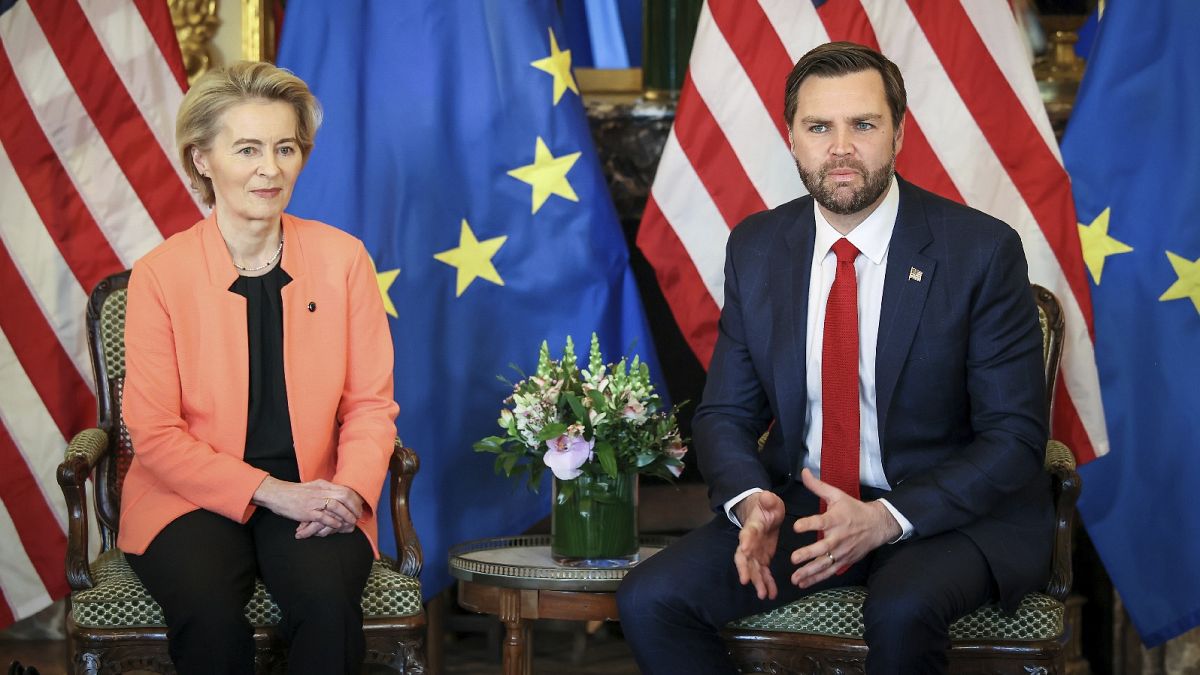
The U.S. and the EU have already taken action, initiated conversations this weekend, and prepared a zero-tariff deal. However, there are still political, economic, and regulatory obstacles to full adoption, which may be resolved in a matter of days.
...
حقوق الحيوان أولا والموت لغزّة ثانيا


حقوق الحيوان أولا والموت لغزّة ثانيا
هذه القصّة تفضح صناعة العالم أولوياته الأخلاقية
بقلم: أحمد سليمان العُمري، دوسلدورف
في قاعة «كريستال» الفاخرة بفندق «رويال جراند»، حيث تتدلّى ثريات الكريستال مثل دموع مجمّدة، اجتمع صُنّاع القرار تحت شعار «حقوق الحيوانات؛ أولويتنا الأولى».
الرخام الإيطالي يلمع تحت الأضواء، وكأنه يحاول جاهدا إخفاء بقع الدم التي لا تُغسل.
المشهد الأول: طاولة النفاق الأوروبي
يعتدل جون (وزير أوروبي) في جلسته، يرفع صحيفة ويصرخ غاضبا: «هذا غير مقبول، كلب في برلين حُرم من نزهته اليومية».
يرد عليه ريتشارد (رئيس منظمة حقوق الحيوان): «لقد أغلقنا حملة التبرعات بعد جمع مليون يورو لعلاج القطط المصابة بالصدمة».
في رُكن آخر، ينظر مارك (دبلوماسي أممي) إليهم بحزن، ثم يتمتم: «بينما في غزّة، الأطفال يشربون مياها ملوّثة بالصرف الصحي...».
(صمت مطبق)، ثم ينهض جون فجأة: «أقترح تشكيل لجنة دولية للتحقيق في معاملة الكلاب في أوروبا».
(تصفيق حار).
المشهد الثاني: غرفة الحرب العربية
بعيدا عن الأضواء، في قاعة مغلقة ومؤمّنة جيدا، يجتمع وزراء عرب حول طاولة ضخمة من خشب «الأبنوس». تنتشر أمامهم وثيقة سرية بعنوان: «مشروع إعادة التوطين الإنساني - البروتوكول الذهبي».
الوزير الأول (يقرأ بصوت عالٍ): «المادة 7: سيتم توفير خيام بيضاء تحمل شعار 'يد العون العربية'».
الوزير الثاني (يضحك وهو يشعل سيجار كوبا): «ولكن بشرط ألّا تزيد مساحة الخيمة عن 2م² لكل عائلة، نحن لسنا دولة رفاهية».
الوزير الثالث (يضيف بينما يعيد ترتيب أزرار بدلته الفاخرة): «ونطلب من الإسرائيليين تزويدنا بصور جوية لـ 'تحسين جودة الخدمات'».
الوزير الأول (مبتسما): «المهم أن نصوغ البيان بشكل يُظهر إنسانيتنا... مثلا: 'بسبب الوضع الإنساني المتفاقم قرّرت الدول العربية الشقيقة توفير ملاجئ آمنة للفلسطينيين مؤقتا'».
الوزير الثاني (بسخرية): «'مؤقّتا'؟ هاهاها! مثلما كانت اتفاقياتنا مؤقّتة، ثم أصبحت دائمة».
الوزير الرابع (يخفض صوته): «ماذا عن ردود الفعل الشعبية؟ هناك تعاطف كبير مع الفلسطينيين».
الوزير الأول (وهو يشير إلى شاشة تبث قنواته الإعلامية الرسمية): «لا تقلق، نحن نتحكّم بالسرد؛ سنُظهرهم كمجموعة من الجاحدين الذين رفضوا مساعداتنا الكريمة».
الجميع يضحك، ثم يضغطون أزرار توقيع الوثيقة، وتُحسم القضية بجرّة قلم.
المشهد الثالث: كواليس المؤتمر
في القاعة الرئيسية، تُعرض حملة دعائية على شاشة ضخمة: «تبرعوا لإنقاذ كلاب أوكرانيا – 500 يورو تنقذ حياة».
في الزاوية اليمنى، تمُرّ أخبار عاجلة: «غزّة: مستشفى الأمل يخرج عن الخدمة بسبب القصف الإسرائيلي، ونقص الوقود والأكسجين والمياه وارتقاء الكوادر الطبية والمرضى».
المذيع (بابتسامة واسعة): «عذرا للانقطاع، نعود لمؤتمرنا الرئيسي عن حقوق القطط في الفنادق الفاخرة».
آدم (رجل حُرّ إنسان، ولا ينتمي لأي من هذه الأنظمة التي تنادي بالحُرّيات المكذوبة والإنسانيات المُعلّبة لتسويقها للعالم الثالث «المستوي»؛ يُراقب كُلّ شيء بصمت، قبل أن يتصفّح هاتفه المحمول، حيث تصله رسالة قصيرة من طفلة في غزّة): «أنا ليلى، عمري 8 سنوات، قتل الجيش الإسرائيلي أمي وأبي وأُخوتي وكُلّ أسرتي. أبيع حجارة مدرستي المُدمّرة كي أحصل على بعض الطعام، إن وُجد. هل تريد واحدة؟ ثمنها 10 دولارات».
يُحدّق في الصورة: حجر صغير، مكتوب عليه بالطباشير: «هذا ما تبقى من مقعدي في الصف الثاني».
آدم (يكتب وهو يحوّل لها كل مُدّخراته): «خذي المال، ولا تبيعي ذكرياتك؛ هي التي يحُفّها الألم وترويها الدموع بأكثر من الماء المعدوم، فقد قصفت الصواريخ الإسرائيلية آخر بئر ماء في غزّة... لا تبيعي بنيتي ذكرياتك، فهي آخر ما تبقى لكم».
المشهد الرابع: العدالة العمياء
داخل الفندق، ترتفع أصوات الاحتفال: «نحن رواد حقوق الحيوانات».
يقف آدم بجانب النافذة، يشاهد المدينة الباردة التي يضيئها وهج الثراء، بينما يظهر على الشريط الإخباري العاجل على شاشة التلفاز خلفه: «عاجل: إسرائيل توسّع عملياتها العسكرية في غزّة، وارتقاء 500 فلسطيني؛ جُلّهم أطفال ونساء».
المذيع (ببرود): «تحذير: قد يحتوي هذا التقرير على مشاهد غير ملائمة».
المَشَاهِد؟
طفل يبحث بين الأنقاض عن أمّه.
رجل يحمل طفلته الشهيدة؛ مبتورة الأطراف.
أم تُمسك بيد رضيعها تحت الأنقاض.
آدم يهمس لنفسه: «غير ملائمة... لمن؟ لمن يعيشون هنا؟ أم من أجل ماذا يموتون هناك؟».
المشهد الأخير: الحقيقة المرّة
في الخارج، تمطر السماء، وفي غزّة تمطر السماء القنابل الإسرائيلية والصواريخ صناعة أمريكية وألمانية.
داخل الفندق، يرفع الحضور كؤوسهم: «للعالم الحُرّ... ولحقوق الحيونات».
أمّا آدم، فيغلق هاتفه؛ ينظر إلى لوحة المؤتمر المكتوب عليها: «معا نبني عالما أفضل للجميع».
ثم يتمتم: «للجميع...؟ إلّا لمن لا يملكون حتى حجرا في غزّة ينامون عليه».
وأخيرا، ليست كُلّ الكتابات تحتاج إلى خاتمة؛ فبعضها يترك الجرح فاغرا وغائرا لكي لا ينسى العالم أنّه ينزف، وأنّ الغزّيين قُتلوا صبرا وهُجّروا قسرا.
This email address is being protected from spambots. You need JavaScript enabled to view it.
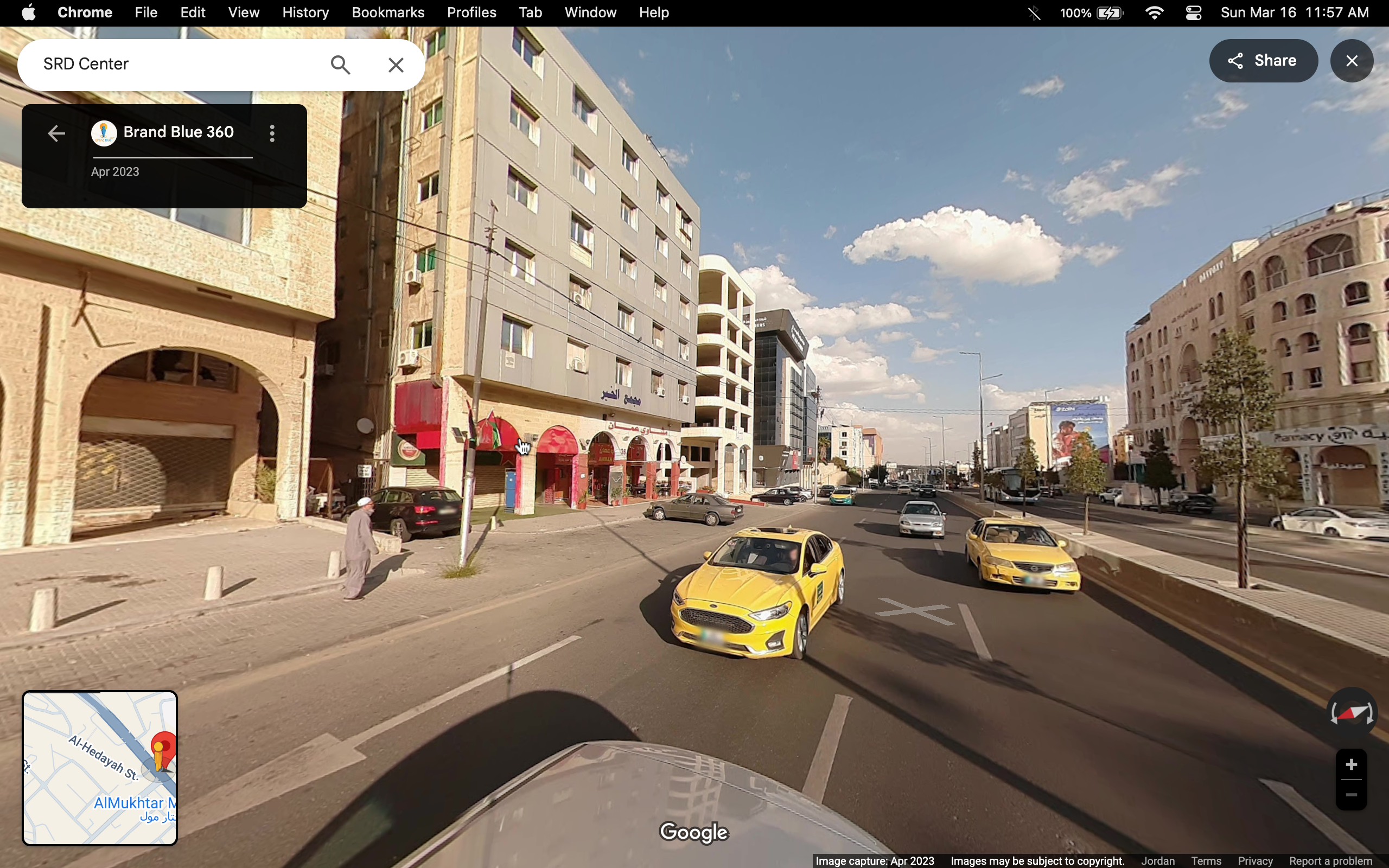
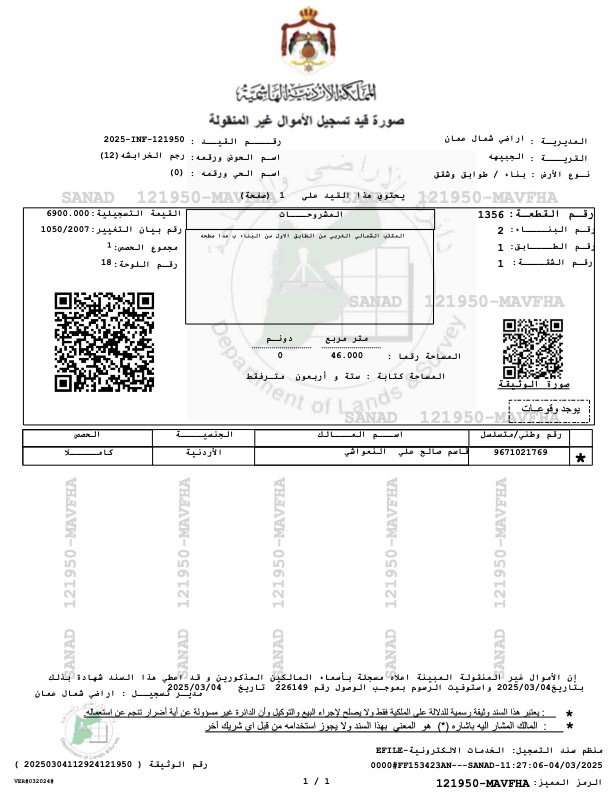
مكتب للبيع قرب دوار المدينة الرياضية
مكتب في مجمع الخير، عمارة رقم ٣٦، مقابل سمارت باي، على شارع الملكة رانيا العبدالله. الطابق الاول. عمان - الأردنز
يصلح لاستخدامه كمكتب تجاري، أو عيادة طبية أو مكتب محامي.
تتوفر كافة الخدمات في المنطقة
الموقع: https://maps.app.goo.gl/2g5YL8GQhBWmJtSy7
السعر: 45000 دينار أردني.

Injection Skills دورة مهارات الحقن
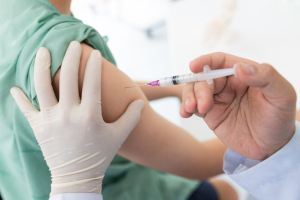
دورة تدريبية: مهارات الحقن
Injection Skills Training Workshop

عقدت في عمان، الأردن - بتاريخ 9/1/2025. وقد منحت هذه الشهادات بعد حصول المشاركين على التدريب النظري والعملي وتقييم أدائهم أمام لجنة تقييم فاعلية التدريب، وقد تضمنت الدورة مهارات الحقن المختلفة (الحقن بالعضلة، والوريد، وتحت الجلد، والبطن)، والأخطاء الشائعة للاستخدام وكيفية تجنبها، وكيفية الامتثال لإجراءات مكافحة العدوى والحفاظ على نظافة وتعقيم الأدوات الطبية المستخدمة في عمليات الحقن، وطرق اختيار الحقنة المناسبة وفق عمر المريض.


