

Green Employment (4)
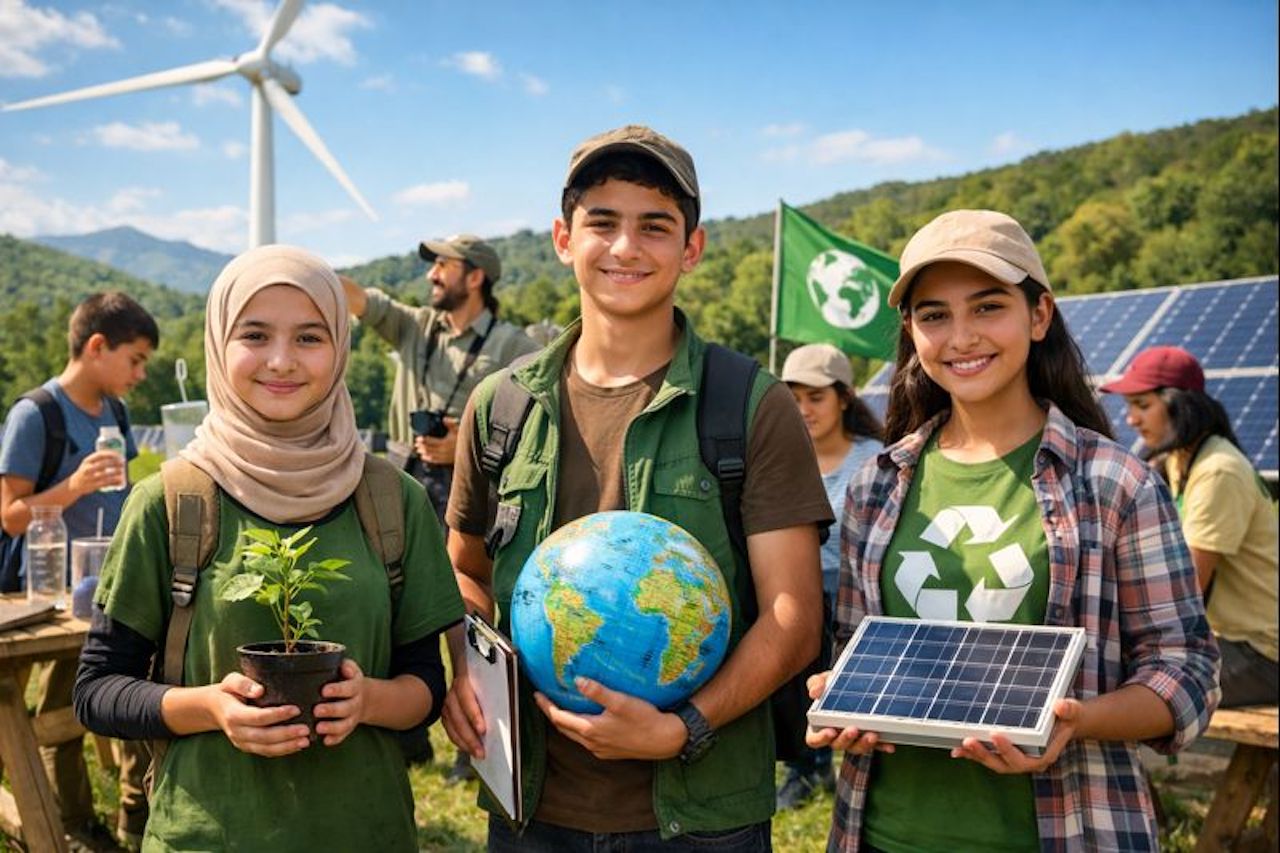
Environmental Awareness and Green Work Practices Training
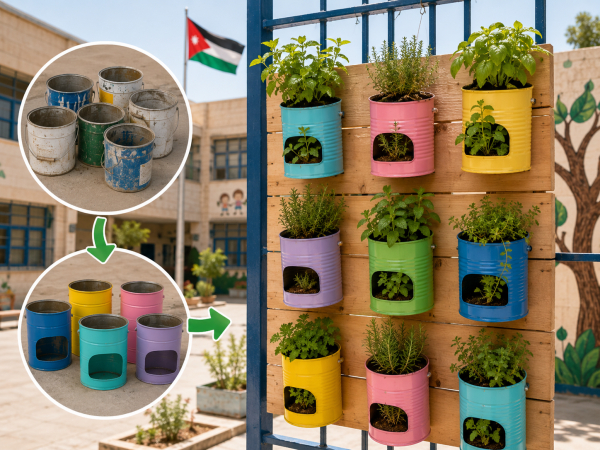
Two-day instructor-led, in-person workshop
Delivery mode: Face-to-face, instructor-led training
Duration: Two days
Language: Arabic or English, as required
Target countries: All Middle East and North Africa (MENA) countries
Delivery locations: The workshop can be delivered in all governorates of Iraq, Jordan, Libya, and Syria, subject to agreement, in other MENA countries.
Training overview
The programme supports the greening of jobs by helping participants understand how environmental responsibility can be integrated into everyday work practices across different sectors and occupations. It shows participants how simple workplace behaviours can reduce waste, conserve water and energy, prevent pollution, improve health and safety, and contribute to cleaner and more sustainable workplaces and communities. Furthermore, this practical training is designed for organizations and projects that aim to improve the employability and livelihoods of jobseekers, vulnerable youth, women, refugees, host communities, and other groups preparing to enter or re-enter the labour market.
The training is particularly relevant to employability, livelihoods, vocational training, short-term employment, Cash-for-Work, public works, school maintenance, municipal services, community development, and workforce-readiness programmes.
The workshop is delivered in person through face-to-face interaction and multimedia learning. It combines short presentations with practical demonstrations, games, team activities, discussions, and examples linked to participants’ daily work and local context.
Recommended for
The programme is recommended for:
- Employability and livelihood programmes
- Jobseekers and individuals preparing to enter the labour market
- Vulnerable youth and women
- Refugees and host communities
- Vocational education and training programmes
- Cash-for-Work and short-term employment projects
- Public works, maintenance, construction, municipal, and community service projects
- Organizations seeking to integrate green skills and environmental responsibility into workforce development
Training Objective
The overall objective is to support organizations in improving participants’ employability and livelihoods while promoting greener, safer, and more sustainable work practices.
The programme helps participants develop practical green skills that can be applied across different occupations and workplaces. These skills support the greening of existing jobs and prepare participants for labour markets that increasingly value environmental awareness, resource efficiency, workplace responsibility, and sustainable practices.
By the end of the workshop, participants will be better able to:
- Explain the relationship between environmental responsibility, employability, and decent work
- Recognize how jobs in different sectors can become greener
- Apply environmental responsibility in their daily work
- Reduce waste and use materials more efficiently
- Apply the principles of reducing, reusing, recycling, and upcycling
- Sort and manage workplace waste safely
- Reduce unnecessary plastic use and plastic pollution
- Save water, electricity, fuel, and other resources
- Identify and report environmental and workplace risks
- Maintain cleaner, healthier, and safer workplaces
- Demonstrate responsible behaviour that strengthens their employability
- Encourage colleagues and community members to adopt positive environmental practices
Main Training Topics
Day One: Environmental Awareness, Employability, and Green Skills
- Understanding the environment and its connection to work and livelihoods
- What are green jobs and green work practices?
- Greening existing jobs through simple workplace improvements
- Environmental responsibility as an employability skill
- Community responsibility and positive workplace behaviour
- Resource efficiency and responsible use of materials
- The waste hierarchy: reduce, reuse, recycle, and upcycle
- Types of waste and practical waste sorting
- Creative reuse and upcycling of workplace materials
- Reducing single-use plastic and plastic pollution
Day Two: Sustainable Workplace Practices and Green Action
- Maintaining clean, healthy, and safe workplaces
- Water conservation and reporting leaks
- Energy-saving practices in different workplaces
- Reducing material waste and preventing unnecessary purchases
- Managing dust, noise, fuel, oil, smoke, and fire risks
- Protecting plants, animals, and sensitive areas
- Safe handling of sharp, broken, and potentially hazardous waste
- Environmental risk reporting, teamwork, and accountability
- How green practices can improve work performance and employability
- Developing personal and team green-work commitments
- Preparing a practical environmental action plan for the workplace
Training Methodology
The workshop uses a participatory, practical, and adult-learning approach. The methodology includes:
- Interactive discussions
- Multimedia presentations
- Simple games and team challenges
- Waste-sorting exercises
- Group work and problem-solving activities
- Practical examples and demonstrations
- Workplace scenarios
- Participant storytelling and experience sharing
- Creative thinking and upcycling exercises
- Pre- and post-training assessments
- Personal and team environmental commitments
The content can be adapted to the participants’ occupations, literacy levels, target sectors, project activities, country context, and organizational priorities.
Workshop Outputs
Participants will receive:
- Two days of instructor-led training
- Practical environmental awareness and green-work materials
- Interactive exercises and demonstrations
- Pre- and post-training assessments
- Participant handouts, where required
- Certificate of participation, subject to agreement
The contracting organization may also receive:
- Attendance records
- Assessment results
- Training photographs, subject to consent
- A short workshop report
- Recommendations for integrating green practices into employability and livelihood activities
Group size and fee information
USD 100 per participants. Each group should include 15 to 25 participants.
The price quoted include stationery, giveaways, and participation certificate.
Fees may be adjusted depending on the travel requirements, language, customization needs, venue, and number of workshops requested.
Organizations interested in purchasing or customizing this training are encouraged to send an enquiry explaining their requirements before booking.
How to Register
Book online: https://srd.edu.jo/doc-shop/product/ea2026p
Organizational enquiries and customized requests:
This email address is being protected from spambots. You need JavaScript enabled to view it.
For Jordan, please contact: Dr. Qasem Alnewashi, This email address is being protected from spambots. You need JavaScript enabled to view it.; for Iraq Dr. Moahmmed Hazim, This email address is being protected from spambots. You need JavaScript enabled to view it.; for Libya Ms. Raghad Al-Masri, This email address is being protected from spambots. You need JavaScript enabled to view it.
Please include the following information in your enquiry:
- Name of the organization
- Target country and location
- Proposed number of participants
- Preferred training dates
- Preferred language
- Participant profile
- Target occupations or employment sectors
- Type of employability, livelihood, vocational training, or employment programme
- Any required adaptations
يعد مشروع تسمين العجول من المشاريع الناجحة والمربحة خاصة مع وفرة العلف وظروف البيئة المناسبين وانخفاض تكلفة المشروع مقارنة بنسبة الأرباح المرتفعة مقارنة بالمشاريع وقطاعات الأعمال الأخرى، كما أن الحكومة الأردنية تعول على هذه المشاريع لتحقيق اكتفاء محلي ذاتي من اللحوم، لذا تقوم الحكومة بتوفير أعلاف بأسعار مدعومة لمربي المواشي كمساعدة وتشجيع لهذا القطاع. اعتمد تصميم المشروع على التقنيات الحديثة في تربية المواشي والتي تعود بإنتاجية عالية وتقلل من الهدر في المصادر.
ووفقا لرؤية التحديث الاقتصادي يوجد توجه لدى الحكومة الأردنية نحو تنفيذ مشاريع زراعية وحيوانية في محافظة المفرق، منها ما يتعلق بتربية المواشي وتسمين العجول. على سبيل المثال، تم الإعلان عن إطلاق أول مشروع تنموي زراعي- صناعي في محافظة المفرق في شهر تشرين الثاني2024. كما يوجد في محافظة المفرق (وخاصة منطقة الخالدية والبادية الشمالية) مزارع ومشاريع خاصة لتربية وتسمين العجول. وجدير بالذكر أن المفرق تضم نحو 18% من رؤوس الأبقار في الأردن، وهذا يعني كثافة نشاط الثروة الحيوانية (ومنها التسمين)، ويؤكد كذلك بأن الظروف البيئية ملائمة لهذا المشروع.
لتنزيل دراسة الجدوى كاملة - اضغط هنا. أو على الرابط أسفل في هذه الصفحة.

في عصر التطور المتسارع في التكنولوجيا والذكاء الصناعي، لم تعد المهارات التقنية وحدها كافية لنجاح خريجي الجامعات التقنية في سوق العمل. فبيئات العمل اليوم تتطلب مزيجا متوازنا بين المهارات التقنية التي تتعلق بالتخصصات الفنية، والمهارات الناعمة التي تمكن الأفراد من النمو المستمر والتفاعل بفاعلية في بيئات العمل المتغيرة باستمرار.
هذا الدليل التدريبي صُمّم خصيصا لتلبية احتياجات طلبة الجامعات التقنية، ومراكز التدريب المهني، وطلبة المدارس الذين يستعدّون لدخول سوق العمل أو التوجه نحو مسارات ريادية لتأسيس مشاريعهم الخاصة. ويركّز هذا الدليل على تنمية المهارات الناعمة التي تشكل الأساس لبناء شخصية مهنية متكاملة وقادرة على التعامل مع التحديات، واتخاذ القرارات، والعمل بروح الفريق، وإدارة الوقت وضغوط العمل بكفاءة واقتدار.
ينقسم هذا الدليل إلى ثلاثة محاور رئيسة، تشمل: 1) مهارات التواصل والتنظيم المهني مثل القيادة، إدارة النزاع، خدمة العملاء، والاتصال الفعّال. 2) المهارات الشخصية والنفسية مثل الذكاء العاطفي، الوعي الذاتي، والمرونة. 3) المهارات التقنية المساندة مثل استخدام التطبيقات، وتنظيم بيئة العمل الرقمية، والبحث عن المعلومات. كما تتضمن كل مهارة مجموعة من الأنشطة التفاعلية، وأمثلة واقعية، وتمارين عملية تهدف إلى تعزيز الفهم والتطبيق، بالإضافة إلى أسئلة تقييم ذاتي ومقترحات للتنمية المهنية المستمرة.
يمكنك الحصول على الحقائب التدريبية من خلال هذا الرابط.
الحقائب التدريبية:
مهارات الاتصال
القيادة والعمل الجماعي
حل المشكلات
إدارة النزاع والتفاوض
التواصل عن بعد
التخطيط الاستراتيجي
خدمة العملاء
ثقافة قانونية
التنمية الشخصية والوعي الذاتي
الذكاء العاطفي وإدارة الضغوط
المرونة والتكيف
استخدام التطبيقات لإنجاز العمل وتعزيز الإنتاجية
البحث عن المعلومات
تنظيم بيئة العمل الرقمية
يمكن للتعليم البيئي أن يخلق جيلا جديدا من القادة البيئيين
Written by Qasem Newashi
بإمكان دول منطقة الشرق الأوسط وشمال أفريقيا التغلب على التحديات البيئية المشتركة الكبرى مثل ندرة المياه وتلوث الهواء من خلال توظيف التعليم الأخضر لبناء جيل جديد من القادة البيئيين.
التفاصيل:
كشفت دراسة جديدة أن دول منطقة الشرق الأوسط وشمال أفريقيا يمكنها التغلب على التحديات البيئية المشتركة الكبرى مثل ندرة المياه وتلوث الهواء من خلال توظيف التعليم الأخضر لبناء جيل جديد من القادة البيئيين.
إن تدريس القضايا البيئية في المدارس يضمن ألا تعتبر الاستدامة مجرد فكرة ثانوية في التعليم. وهذا من شأنه أن يمكن الأجيال القادمة من اتخاذ قرارات سليمة بشأن البيئة والقيام بإجراءات كافية في حياتهم اليومية.
تواجه منطقة الشرق الأوسط وشمال أفريقيا مشكلات بيئية جسيمة، تشمل استنزاف الأراضي الصالحة للزراعة، وسوء إدارة النفايات، وفقدان التنوع البيولوجي، وتدهور النظم البيئية الساحلية. ويهدد تغير المناخ بتفاقم هذه المشكلات، حيث تشكل درجات الحرارة المرتفعة، وتقلبات هطول الأمطار، وارتفاع مستوى سطح البحر، مخاطر إضافية.
نشر خبراء من جامعة برمنغهام نتائج دراستهم في مجلة التنمية المستدامة، حيث وضعوا مخططا للتعليم الأخضر في منطقة الشرق الأوسط وشمال أفريقيا يتضمن سلسلة من التوصيات، منها:
- دمج المناهج الدراسية - تطوير مناهج تعليمية خضراء شاملة لمعالجة القضايا البيئية المحلية وتدريب المعلمين على تقديم التعليم الأخضر.
- دعم السياسات - تخصيص التمويل، ووضع سياسات داعمة، ودمج الاستدامة في المناهج التعليمية الوطنية.
- التعاون والشراكات - تبادل الموارد وأفضل الممارسات مع المنظمات غير الحكومية والمنظمات الدولية والمؤسسات التعليمية الأخرى.
- تخصيص الموارد - توفير تمويل مستدام لمبادرات التعليم، سواء من الحكومات أو الهيئات الدولية أو الشركات أو المؤسسات الخيرية أو المنظمات غير الحكومية.
- الرصد والتقييم - تطبيق أنظمة رصد وتقييم قوية لتقييم فعالية برامج التعليم البيئي.
- المشاركة الفعالة مع المبادرات الدولية - مواءمة التعليم الأخضر مع أهداف الاستدامة العالمية - الاستفادة من الموارد والدعم من الهيئات الدولية.
تواجه منطقة الشرق الأوسط وشمال إفريقيا قضايا بيئية رئيسية، لكن التعليم الأخضر يمكن أن يوفر المفتاح لإيجاد حلول لهذه التحديات؟ وإذا تم توفير الموارد اللازمة وتنفيذها بشكل صحيح، فإن التعليم الأخضر يمكن أن يزود دول منطقة الشرق الأوسط وشمال إفريقيا بالوسائل اللازمة لتحقيق تقدم كبير في خلق ورعاية جيل مسؤول من الشباب القادرين على بناء مستقبل مستدام للمنطقة.
حدد الباحثون أيضا عوائق تحول دون تطبيق التعليم الأخضر بنجاح في المنطقة. وتشمل هذه العوائق وجود فجوات كبيرة في المناهج الدراسية ضمن الأنظمة التعليمية في المنطقة، والتي تتفاقم بسبب الهياكل التعليمية المركزية للغاية، مما يعيق دمج التعليم الأخضر. كما وجدوا أن التمويل المخصص لمبادرات التعليم الأخضر غير كاف، حيث تخصص العديد من دول المنطقة نسبة ضئيلة فقط من ناتجها المحلي الإجمالي للتعليم، مع تخصيص نسبة أقل بكثير للمبادرات الخضراء.
وعلقت الدكتورة أدينيك أكينسيمولو قائلة: "في عصر الوعي البيئي، لم تكن الحاجة إلى تعزيز الوعي البيئي لتمكين التنمية المستدامة أكثر إلحاحا من أي وقت مضى في مناطق مختلفة مثل منطقة الشرق الأوسط وشمال إفريقيا". "يجب أن نشهد زيادة في الاستثمار وتخصيصا استراتيجيا للموارد لدعم تطوير برامج التعليم البيئي. إن تدريس القضايا البيئية كجزء من المناهج الدراسية العامة يضمن ألا تكون الاستدامة فكرة ثانوية، بل عنصرا أساسيا في التعليم."
لا تسلط الدراسة الضوء على التحديات فحسب، بل تقدم أيضا خارطة طريق للمستقبل. ويشير الباحثون إلى أنه من خلال الاستثمار في التعليم الأخضر اليوم، تستطيع دول منطقة الشرق الأوسط وشمال أفريقيا تمكين قادة الغد من مواجهة تغير المناخ وبناء عالم أكثر استدامة.
المصدر:هيلين أونياكا، أدينيك أ. أكينسيمولو. تطوير التعليم الأخضر في منطقة الشرق الأوسط وشمال أفريقيا: التحديات والفرص وأفضل الممارسات. التنمية المستدامة، 2024؛ DOI:10.1002/sd.3182