

Qasem Newashi
Livelihood Planning and Guidance for Youth Project in Amman, Mafraq, Irbid, and Zarqa Governorates in Jordan (World Vision)
Within the framework of the World Vision Jordan (WVJ) Programme and as per its newly started project "Livelihoods Planning and Guidance for Youth in Jordan" which aims to contribute to the enhancement of employability of Syrian and Jordanian youth, WVJ commissioned this baseline study at four geographical areas in Jordan to provide vital information for the planning and programming for future similar interventions. Therefore, the baseline study initiated to provide the present status of outcome level indicators of the project to fine tune the set targets at the project level, where appropriate, based on baseline study results and recommendations, as well as set appropriate targets in the existing geographical areas and monitor the progress of the assistance given to the target youth more precisely.
Methodology
WVJ conducted the baseline study through the consultancy firm ‘Sustainable Research and Development Center’ (SRD). Data collection started on 1 December 2019 and ended on 15 January 2020.
A total of five indicators were measured by the baseline study through both quantitative and qualitative methods of data collection. In total, 231 youth were interviewed, and nine focus group discussions (FGD) and 13 key informant interviews (KIIs) with different stakeholders, including representatives from INGOs, governmental officials, and WV staff, were conducted. Four enumerator teams were trained to collect data appropriately to accomplish the baseline survey, and efforts were made to ensure data quality. Structured questionnaires were used for individual interview, FGDs, and KIIs.
Key Findings
In order to measure the capacity in livelihood planning and decision-making amongst youth, the baseline study revealed that only 19.5% of the targeted youth have the necessary skills and knowledge needed to enter the labor market with 60% of them being Syrians. The study indicated that 91 (39%) of the respondents have clear goal orientation, with almost equal percentages for both Syrians (51.5%) and Jordanians (48.5%).
To determine the youth ability to make informed career decisions, the baseline study indicated that only 57 (24.7%) young people had access to career counselling services prior to the project (56% Syrians and 44% Jordanians), while only 17 (7%) were aware of available jobs and training opportunities in their area. As for the skill set needed to enter working life, 72 (31.1%) youth respondents reported that they possess the necessary skills to enter working life, with no significant differences between Syrian and Jordanian youth. In regards to the geographical areas, the findings showed that the highest levels for most of these indicators are in Amman followed by Irbid.
Key Conclusions and Recommendations
It has been concluded that the lack of work experience is the most significant factor for youth unemployability. The main obstacle that prevented youth from getting a job is the lack of professional experience. Therefore, it is recommended that instead of focusing on creating permanent jobs for youth or livelihood opportunities, the best support that can be provided to the recently graduated youth is to link them to institutions relevant to their qualifications to get experience in their profession. This is because most youth recognize that employers are looking for young people who have experience as a top requirement regardless if they are hard-workers, have good qualifications, and possess a soft skill set. On the other hand, the lack of work experience has another negative effect on youth as they do not have the confidence to start their own businesses without this experience.
Based on the analysis of the data collected through the key informant interviews, mostly the labor offices in the governorates, and given the scarce job opportunities in the more traditional sectors, training service providers, especially vocational training centers, need to adapt and include new specializations to create new employment opportunities and business. Therefore, it is recommended
to establish a cooperation between the development organizations and the governmental bodies, such as the Ministry of Digital Economy and Entrepreneurship and the Vocational Training Center to improve sustainable employment opportunities for both Syrian and Jordanian youth.
Finally , these conclusive findings support the project activities to create best fit livelihood opportunities as well as fine-tuning future interventions by shifting from the focus on providing business and soft skills such as work ethics, team work, leadership, communication, negotiation, decision making, and problem solving skills to incorporating tailored new technical skills such as hybrid car maintenance, mobile application development, and renewable energy related businesses and occupations. These emerging sectors have been identified as the skill gap between demand and supply in Jordan’s labor market. Other recommendations as per the project components can be found in the last section of the report.
Inclusive Relief and Empowerment for Syrian Refugees with Impairments and Disabilities in Jordan (IOCC - PRM)
Within the framework of “Inclusive Relief and Empowerment for Syrian Refugees with Impairments and Disabilities Project” in Jordan, the United States Department’s Bureau of Population, Refugees and Migration (PRM) funded a two-year project implemented by International Orthodox Christian Charities (IOCC) in partnership with Noor Hussein Foundation Institute for Family Health – IFH). The project was implemented between 2019 and 2021 in four locations in Jordan: Sweileh, Russeifa, Zarqa, and Irbid, aimed to improve the quality of life of refugees and vulnerable Jordanians with impairments/disabilities and their families. IOCC contracted with Sustainable Research and Development Center (SRD) to conduct this final evaluation. This report presents the findings from an independent evaluation conducted between September and October 2021. The evaluation aimed to analyze the final results of the project in the targeted areas, as well as to assess the efficiency, effectiveness, impact, and sustainability of the project after the implementation through the usage of quantitative and qualitative data.
The evaluation methodology included qualitative-quantitative data collection activities including desk review of project related documents, in-depth interviews and focus-group discussions with beneficiaries, and key informant interviews. Data were collected by the evaluation team and a team of enumerators who used tablets and Kobo Toolbox for data entry, and analysis. The procedures that were used included
A desk study, individual interviews, focus group discussions (FGDs), key informant interviews (KIIs). The evaluation team conducted a comprehensive desk research to highlight main project milestones and achievements, covering whole life of the project, while primary data collected through the 78 individual interviews and 8 FGDs conducted for men and women beneficiaries. An interview guide developed with several questions and additional probing questions to ensure all matters of interest to this study were covered. All qualitative feedback summarized thematically. All sessions conducted in IFH centers, lasting for approximately one hour and half. All participants mobilized by IFH staff and provided with a schedule and participant characteristics for each of the FGD. The characteristics of the participants have been disaggregated according to nationality, disability, gender and services received. The evaluation team conducted 17 KIIs with stakeholders, including PRM Project Team of IOCC, IFH team, and Representatives from MoH and MoE using a semi-structured interview approach to gather information to address the research questions, as well as to inform on current and future trends and development schemes.
The evaluation findings showed that the PRM project met and exceeded the targets initially set, for all its indicators, of the project through IOCC/IFH four centers. Across the four geographical areas, Irbid, Russeifa, Sweileh and Zarqa, the key findings of the evaluation can be summarized as follows:
- 6% of the respondents stated that the project services were very relevant or relevant to their needs, concerns and priorities.
- 7% of the respondents stated that they were beneficiaries of IFH’s other services and project in addition to this actual project.
- 7% of the respondents stated that they had received services from 6 months to 1 year in length
- 5% of the respondents stated that the rehabilitation services were very effective or efficient
- 4% of the respondents stated that the project helped them to engage more and develop better relations with their families.
Based upon the findings from the key informant interviews, focus group discussions and desk review, the following conclusions have been identified:
- More than 50% of the participants found that the service provided by the IOCC project were very relevant. There was a consensus from all the participants that they need these sessions, but they can't pay at private clinics, and they found that this project offers more than one service they need for free, and the most important they assured about the high skills of the specialists who gave the sessions.
- The PSS sessions and the rehabilitation sessions received a very high endorsement from those who received such services.
- The services provided were very appropriate and beneficial in terms of accurate diagnosis and evaluation, and they suited the needs of the beneficiaries, also the aids suited the beneficiaries and there is complete satisfaction with them. Most of the attendees were very satisfied regarding the information provided during the service period especially the home-based exercises information.
- Educating parents on the optimal and correct use of aids and how to install them, and guiding parents on how to conduct home activities that help beneficiaries.
- The majority of respondents stated that they feel as if they are better able to interact with family and friends as a result of the project.
- The project provided services in a humane manner, although the services were free, but this did not affect the quality of services, even if there were some observations, but in general the project was of great benefit, and everyone wanted to continue receiving services from the project
- Families have learned more about the role that they can play in support of their children with disabilities in order to help them develop in such a way that they will be able to integrate themselves into mainstream society.
Based on the evaluation findings and lessons learned, the evaluation team provided some recommendations summarized as follows:
- Encourage government participation so that in the future the government can assume a larger role in the delivery of similar services to families of children with disabilities.
- Continue to support families so that they develop the capacity to support their children with disabilities so that they can eventually integrate themselves into mainstream society. This includes providing structured support for caregivers with knowledge of parenting skills to equip them to better understand and deal with CwD and certain stressors in their life. Customized training sessions or consultations is recommended such as on getting children engaged and keeping children engaged; helping children share engagement in play and home routines; promoting communication; preventing challenging behaviors; teaching alternative to challenging behaviors; problem solving; and self-care. Caregivers or family members with a disability would be provided with a protection package that include cash assistance taken into account in assessing their level of vulnerability.
- Consider expanding the length of the services that were provided to families and persons with disabilities so that the families can improve their capacity and persons with disabilities can benefit from such services. Increase the length of services that are provided to families and persons with disabilities in order to improve their capacity and improve their ability to support the person with disabilities.
- Ensure that the most PwD among vulnerable Syrian refugees and Jordanians in the target areas are included in programming. IOCC and its local partners need to review and update the procedures of how they identify and provide services to the most vulnerable refugees, including those residing in rural and remote urban areas in Jordan. IOCC needs to consider vulnerability in targeting criteria and track both targeting and service provision to these groups through devising or refining outreach strategies outlining how the most vulnerable refugees will be identified, targeted, and engaged. This may include increasing the provision of transportation so that the most vulnerable PwD may access and use services, possibly through mobile outreach teams. Other possible activities include using social media and local committees (refugees and host community members) to raise awareness and disseminate information about available services and possible referrals.
- Increase the length of time of the different training sessions as well as the number of training sessions that are offered so that a larger number of families and persons with disabilities can benefit.
- Design and implement activities in coordination with local and national authorities, as well as local Community Based Organizations (CBOs). Increase opportunities for improved communication and facilitation between line ministries and local CBOs to strengthen collaboration on programs and look for integration possibilities and inclusive education with existing structures. Therefore, more efforts need to be made to engage in partnerships with national authorities and local CBOs, for example, capacity building, involvement in data collection, and joint activities, service provision to PwD from refugees and host communities, as well as consider consulting with local authorities and CBOs can provide information on the experience of the host population and identify similarities and differences between host community and refugee needs and preferences.
- The training should focus more on the application of the knowledge and skills that staff are introduced to.
- IFH and other implementers need to focus on making the services accessible to all people who live the within the four selected communities. .
- There is a need to continue to offer similar services to families and persons with disabilities in the same and other communities so that families learn how to engage more effectively with their family members with disabilities.
- Implement the activities that the respondents have recommended such as increasing inclusive education, awareness raising, etc.
- Implementation of diagnostics, assessments and interventions accordingly will continue to help with the eye, hearing and physical improvement of all participants.
UNDP - Arab Civil Society at the Crossroad: Assessing Engagement in Anti- Corruption Efforts
With the rise of the Arab Spring, and increasing attention and activism to combat corruption within the Arab countries, it is critical to assess how state structures, environments, values and regional dynamics themselves impact the role of various sectors in leading such anti-corruption initiatives. Because of the increasing role that civil society has played in terms of combating and raising awareness to corruption during the Arab Spring era, this research attempts to assess what factors have influenced the level of this sector’s involvement both prior to and post 2011 Arab Spring in various Arab country contexts.
The results indicated that civil society organizations, for a long time, were distorted and underwent systematic violation by ruling regimes in order to restrict the emergence of any opposition movements. Therefore, the civil society sector in the Arab region has not been recognized, faced many violations and limitations of their freedom of expression, association, and their independence. Before the “Arab Spring”, civil societies in the Arab region had a concrete role on campaigning and advocating to ending the Israeli occupation, while after the ignition of the “Arab Spring”, civil societies in the Arab region seemed to overlook the previous goal and started struggling to fight corruption and put an end for the dictating ruling regimes. The “Arab Spring” was perceived as an alarming sign that Arab civil societies are ready to take over power for democratic changes and ruling of law.
The findings of this research will be used to formulate recommendations for key national and international stakeholders regarding programming and next steps. The researchers have employed an “Arab Lens” of analysis and conducted fieldwork in two case study countries, Jordan, Iraq, and Tunisia, to inform their findings and subsequent recommendations.
UNFPA - Final Evaluation of Y-PEER Project in Bosnia and Herzegovina

The evaluation of the Bosnia & Herzegovina Y - Peer Network project took place from 28th – 30th January 2008 and was undertaken by Steve Lambert and Julius Kanyamunyu. This report is based on the findings of the evaluation mission in BiH. The purpose of this evaluation mission was to observe and assess how the BiH network performed within the context of the wider Y-PEER Division for Arab States, Europe and Central Asia (DASECA) regional programme.
Within the framework of programming for young people and HIV/AIDS, the UNFPA has supported a number of behavior change initiatives, including peer education in general and Y-PEER in particular. Y-PEER is an innovative, comprehensive youth-to-youth education approach. It comprises a network of over 200 organizations and institutions, and encompasses thousands of young people, working in the broad areas of adolescent sexual and reproductive health.
The United Nations Population Fund (UNFPA) engaged the services of the Sustainable Research & Development (SRD) to perform an evaluation of YPEER (Youth Peer Education Network). The evaluation process required a number of teams (comprising two international consultants per team) to visit a 8 countries participating in the Y-PEER Programme. Visits to each country were brief (three days) during which time, consultants sought to gain a better understanding of the implementation of the programme nationally, its achievements and challenges. Key personnel representing the UNFPA, YPEER programme management and key informants (collaborative organizations, stake holders, peer educators) were interviewed during the course of the evaluation mission.
Prior to the field visit, evaluators received information from UNFPA HQ in New York, outlining the objectives of the evaluation mission This gave the evaluators an introduction to both the regional programme and what BiH had been doing on the national scene. The evaluators also received information, including the Evaluation Report of the BiH Y – Peer Network (Dec 2007), from the UNFPA BiH office.
Achievements
Much has been achieved and there is much to celebrate in the success of the Y-Peer Network in Bosnia & Herzegovina. It is an older network compared to other countries, being launched in 2003 as part of the UNFPA project titled: “Improving Sexual and Reproductive Health among Youth in BiH”. Through this project, the UNFPA BiH Country Office gave support in its Activity Plan to the development of Y-PEER Network, and establishment of youth friendly health services. This model – funding Y-Peer through youth friendly health services is still in existence today and has resulted in six NGOs actively involved in the network: Info Center Banja Luka, Info Center Bihać, Info Center Brčko, Info Center Mostar, Info Center Zenica and the Union of Medical Students BoHeMSA headquartered in Sarajevo.
It is evident from discussions with those young people involved with Y-Peer in Bosnia & Herzegovina that those involved are skilled, enthused and committed and deliver quality services and products through the network. Much has been achieved as the evaluation report by Maja Pecanac (Annex One) shows. Since the establishment of the Y-PEER network in Bosnia until today, the sum total of its activities around the country is as follows:
119,314 young people reached through the peer education sessions. 1,283 peer education presentations/session given regarding all relevant SRH issues. 437 community events in four cities (Bihać, Brčko, Mostar, Banja Luka) organized. 154,416 condoms distributed all over the country, in schools during the presentations or through outreach events.
A key outcome of the Y – Peer Network activity in Bosnia & Herzegovina has been the development of national standards in peer education. These have been developed and are yet to be adopted and implemented.
Challenges
However, given all the positive work undertaken by the Y-Peer Network, it operates in a very difficult and complex environment in Bosnia & Herzegovina. These have great impact on the network itself and the on the ability of the network to undertake its desired activities.
Primarily BiH is formed of the Federation of BiH, the Republika Srpska and Brčko District. Federation is de-centralized and contains 10 autonomous cantons, while Republika Srpska is highly centralized, and Brčko District has specific political administration. Such highly fragmented political structure blocks progress in Bosnia and Herzegovina, and sexual and reproductive health suffers grave consequences as well. In addition, there is competitiveness among NGOs that work in SRH and among UN agencies. There are also negative impacts from adult views of young people and of peer education.
The overburdening hassles of competitors, NGO squabbles, government bureaucracy at the National, Republic and Canton levels seems to overwhelm those peer educators involved in this area. The level of enthusiasm seen in other areas was ‘dampened’ in BiH. Added to this the lack of organised activity in HIV, STI and SRH and the lack of acknowledgement of the legitimacy of the voice of young people mean that the ongoing development of Y-Peer in Bosnia & Herzegovina is fraught with difficulty.
It is for these very reasons that Bosnia & Herzegovina needs the Y-Peer Network more now than it did in the past. The Y-Peer Network, with appropriate resourcing, ownership, leadership, governance and management, can make an enormous difference to this country.
UNWomen - Gender Review and Analysis of Basic Education in Kurdistan Region
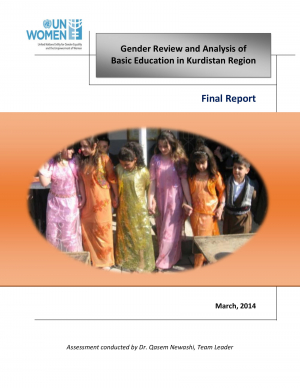
Within the framework of UN Women mission in Iraq, the current project “Gender Review and Analysis of Ministry of Education (MoE) Policies, Strategies, Curricula and Textbooks” designed to review the education policy documents, curricula and textbooks used in basic education (grades 1 to 9) in Kurdistan Regional Government (KRG) as well as an analysis of classroom processes to determine the gender sensitivity of the basic education. The study looked at current Ministry of Education overall policies and strategies and reviewed their gender sensitivity in addition to looking at both the content of curricula and textbooks and present policies and strategies for classroom delivery.
The assessment covered the following four main components: 1) Gender mainstreaming in Educational Policies and Strategies; 2) Gender sensitivity of the Curricula and Textbooks; 3) Gender mainstreaming in Classroom Settings; and 4) Gender mainstreaming in Accelerated Learning Programme (ALP). This study has been conducted using four different assessment tools to gather qualitative data. The study team interviewed the MoE focal points in Erbil, assessed 6 selected primary schools, visited 3 selected ALP schools, analyzed 26 selected textbooks (Annex 3), and finally organized a workshop to discuss the findings with the focal points team. The key findings of using assessment tools and study activities can be summarized as follows:
Findings Related to Gender mainstreaming in Educational Policies and Strategies
- Although girls represent almost 47% of the students in the general KRG schools, they make up only 34% of those who finish the primary cycle.
- There was almost no reference to gender in the MoE strategies, plans, and activities. However, the education partners implemented psychosocial activities, hoping to establish a general understanding of common vocabulary, goals and best responses to gender issues within psychosocial programming. MoE focal points would like to bring all stakeholders together to talk about psychosocial and the difference between female/male needs and experiences.
- No real psychosocial teacher training to date.
- There is a need for Vocational Training, sector still underdeveloped and MoE would welcome technical expertise/ideas/projects, with special focus on girls related specializations.
- Mixed schools exist in most governorates of KRG, but they are perceived as a hindrance to girls’ education.
- There are no other alternatives for girls who have either dropped out of school or never enrolled. This is of particular concern for those girls who live, or have lived, in areas experiencing great insecurity and very remote areas such as the disputed areas.
Findings Related to Gender sensitivity of Curricula and Textbooks
- School curriculum and textbooks in Kurdistan region are mostly modern textbooks and well-designed based on the world’s best practices. In fact, the science, math, and languages textbooks are copied from other countries textbooks, such as Sweden and US.
- Science, math, and languages textbooks have s been imported to Kurdistan regions without proper modification to reflect the Kurdish culture, for example the names and pictures are still the same foreign and not related to the Kurdish culture.
- Science, math, and languages textbooks have been imported to Kurdistan regions because there are no enough experts in Kurdistan who can develop school textbooks for these school learning subjects, the MoE focal stated.
- Subject experts in the curriculum department have never received training in gender mainstreaming. Mr. Araz Abdullah1 indicated that they have integrated gender related concepts in all school textbooks, and this task has been carried out intentionally according to the MoE strategies that respect gender equality. The number of women employed in the curriculum department are more than men.
- As for humanitarian school subjects such as civic education, languages, and religion, they are all developed by national teams from KRG.
- In general, school curriculum and textbooks in Kurdistan region are free of gender bias, except very small notions.
- Different portrayals and stereotypes of the sexes exist in the school textbook. The man represents the power, intelligence, and decision maker, while the women are passive recipients of the orders, money, and always in need for the man’s support. In the Human Rights Textbook, Grade5, Page 31, you can see in a picture a man sitting in his office while a woman (girl) stands in front of him like a slave while she is informing him of a complaint.
- Curriculum Reform in KRG during the last three years covered the delivery of new textbooks, such as English Curriculum and Math and Sciences.
- Sex education is a real need but difficult in KRG context.
Findings Related to Gender Mainstreaming in Classroom Settings
- Teacher Training in KRG was identified by every stakeholder as a major gap.
- School children in KRG carry excellent textbooks, but mostly they do not have qualified teachers inspire them to learn from these textbooks. Teacher trainers have had little access to modern teaching and methodologies as well as limited access to articles/professional papers in their specialization.
- Other findings from the assessment show that the Arabic schools in the city of Erbil do not have enough space to meet the demand. Because of this, all of the classes are overcrowded.
- One of the biggest gaps is Water/Sanitation (and, in turn, disease prevention), many schools are dilapidated and have no functioning sanitation facilities.
- No toilets in some schools in the contested areas which prevented girls from attending school.
- Overall, the assessment showed a need for PTAs in all the schools. This was echoed by both staff and parents.
Gender Mainstreaming in Accelerated Learning Programme (Please find the detail findings and recommendations for the ALP programme in KRG in Annex 4).
Based on the analysis of the findings, several recommendations for the government in KRG and recommendations for future programming for UN Women/UNICEF in Iraq are drawn. Recommendations also include proposed activities for achieving gender equity at basic education level, which focused on ensuring that staff in the Ministry of Education in Erbil are trained in gender equality issues and that teachers have training on how to manage classroom processes in a gender sensitive manner.
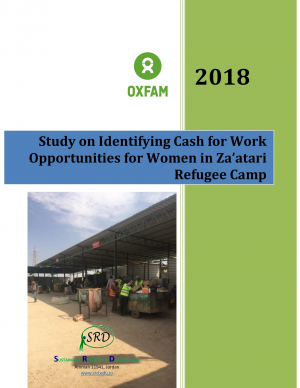
OXFAM - Study on Identifying Cash for Work Opportunities for Women in Za’atari Refugee Camp
1. The Study
1.1 Purpose and Structure
The purpose of the study is to identify opportunities for women to engage in Oxfam’s CFW across Za’atari Camp.
The specific objectives of the research were to:
-
Review existing Oxfam CFW posts that can be targeted for women;
-
Identify key barriers (physical and non-physical) to women’s participation in CFW as well as key strengths for women engaging in CFW activities implemented by Oxfam;
-
Propose possible interventions to overcome existing barriers and build upon possible strengths; and
-
Propose new semi-skilled and skilled CFW activities which can engage women in Za’atari Camp, with a specific section exploring the potential of activities linked to Oxfam’s recycling operations.
This report focuses on Syrian women refugees in Za’atari Camp and aims to add further insights into women’s livelihoods, evolving socio-cultural dynamics, and mechanisms of inclusion in CFW activities. Building on previous studies conducted by Oxfam and other INGOs, the research specifically explores how emerging social trends and local relations affect women’s participation in CFW activities (in particular SWM and recycling), and how this is further influenced by other aspects of women’s lives (e.g. access to child care). In conclusion, the report suggests action points to tackle the identified obstacles.
The report is structured as follows. This section lays out the scope of research and methodology used. Section 2 sets the context of the Za’atari Camp and Oxfam’s CFW activities. Section 3 presents the findings looking at the key barriers to women’s participation in CFW. Section 4 makes recommendations in particular with regard to Oxfam’s SWM and recycling projects.
1.2 Methodology and Limitations
The study was conducted during September – October 2018 and drew on desk research as well as qualitative field research in Za’atari Camp (Districts 6, 7, 8, 11).
Fifteen semi-structured focus group discussions were organized between October 7-19, 2018 with 88 respondents (33 women and 55 men). The research team developed interview protocols including a list of questions and additional probing questions to ensure that all aspects pertinent to this study were covered. All FGD protocols are attached as Appendix 1.
All sessions were conducted at Oxfam camp base and each session lasted for approximatively one hour and half. All participants were mobilized by Oxfam Community Mobilizers in the camp, who also provided the research team with a schedule and participants’ characteristics. Additionally, interviews with Key Informants including Oxfam, NRC, LWF staff were conducted2. Overall the study was conducted as planned and no major incidents occurred. However, the research team would like to note the following limitations:
-
Logistical aspects: due to difficulties related to obtaining camp access permits, three focus group discussions could not be held (18 FDGs were planned in total, 15 FDGs were held). Given the time constraints, the FGDs could not be rescheduled. However, the research team considered that the sample that was interviewed (88 people) was representative enough to draw conclusions. Triangulation of information showed that answers given did not vary much between groups (both male and female) so there was no need to hold extra meetings.
-
The nature of the study: this is a qualitative study, which has a deliberately exploratory nature. The research team did not conduct surveys and the numerical / quantitative data in this research come mostly from secondary sources. The research team considered that even though the number of respondents that could have potentially been reached through door-to-door surveys might have been higher than the number of participants in FGDs, the possibility to discuss aspects in more detail and have a direct communication with Za’atari camp inhabitants was chosen as the preferred way of collecting data. Our focus was on going into deeper analysis of the underlying reasons for the identified obstacles rather than colleting a list of pre-defined options / answers. The research team considered that the FGD approach generated a richer picture of women’s evolving norms and economic lives, and different challenges faced, even though only collective / group estimates were gathered on women’s participation and remuneration, and this data remain less precise in terms of the more quantitative dimensions of women’s involvement in CFW.
1.3 Sample Demographics
The sample included Syrian women and men living in Za’atari camp of various age groups (from adolescents to the elderly, the youngest participants were in their early 20’s and the oldest in their mid-80’s). Separate FGDs were held for men and women, who were grouped into two age categories (below age 30 and age 30 and older), and according to their CFW status (those who never participated and those who were involved in CFW).
Marital status: 85% of the respondents reported being married with three to six children (this number includes divorced /separated persons, and widows). 96% of males involved in this assessment defined themselves as responsible for a household with an average of six family members. 15% of female respondents were single women, with no other family members.
Education: Most of respondents can read and write in Arabic but not in English, the level of education did not vary substantially between men and women in the sample (secondary school). Most men had been involved in agricultural / farming work prior to coming to the camp and all women did not work / had household duties.
Specialized Protection Intervention for Vulnerable Refugees and Host Communities in Jordan (FCDO -IMC) - Final Evaluation

Within the framework of increasing access to quality and equitable health care and protection services for vulnerable Syrian refugees and host communities in Jordan, the UK’s Foreign, Commonwealth & Development Office (FCDO) funded a three-year project implemented by International Medical Corps (IMC) in partnership with Jordanian Hashemite Fund for Human Development (JOHUD). The multi-sectoral project ‘Specialized Protection Intervention for Vulnerable Refugees and Host Communities in Jordan’ was implemented between 2018 and2021 in six districts in Jordan: Mafraq, Irbid, Balqa, Ma’an, Jerash, and the Jordan Valley, in close collaboration with the Ministry of Health (MoH) and other governmental departments. The project aimed to improve access to quality services through the provision of mental health and psychosocial support (MHPSS), child protection (CP) and primary health care (PHC) with complementary services (nutrition and vaccination) for Syrian refugees and host communities.
This report presents the findings from an independent performance evaluation conducted between June and September 2021 by an external consultant. The evaluation aimed to analyse the final results of the project in the targeted areas, as well as to assess the efficiency, effectiveness, impact, and sustainability of the project after the implementation through the usage of quantitative and qualitative data.
The evaluation methodology included both primary and secondary data sources. The evaluation criteria used are based on the updated OECD-DAC standards, covering effectiveness, efficiency, impact, and sustainability[1]. Additionally, specific humanitarian response standards, gender equality, and evaluation criteria which address coverage, coordination, quality and protection have also been used. The evaluation process included a desk review of project-related documents, a beneficiary-based survey, in-depth interviews and focus-group discussions with beneficiaries, and key informant interviews. Primary data collection was conducted in the six target locations where the project activities were implemented.
Quantitative data was captured during surveys with 1,026 beneficiaries of the project, while qualitative data was captured through individual interviews with 12 Key Informant Interviews (KIIs) and 8 focus group discussions (FGDs). Key informants (KIs) consisted of IMC project staff, JOHUD’s management team, and officials from the Mo H. The sample included 327 MHPSS beneficiaries, 424 CP beneficiaries, and 275 PHC – (JOHUD beneficiaries).
A desk review of project related reports revealed that project targets were significantly exceeded for the health, MHPSS and protection components, showing an increase in the beneficiaries' knowledge and skills related to protection and health concerns and issues, as well as an increase in the knowledge and skills of IMC staff and its partner and stakeholders, such as JOHUD and MoH. The project target indicators were assessed through the review of the project management tools (PMTs) and Log frame; the assessment showed that all the targets were achieved. Specifically, the project exceeded all targets for results in improved wellbeing, reduced protection needs, and strengthened the resilience of the most vulnerable refugees and host communities residing in Mafraq, Irbid, Balqa, Ma’an Jerash, Jordan Valley through child protection, health, and MHPSS interventions.
The key findings of the evaluation can be summarized as follows:
- The FCDO project met and exceeded the targets initially set in the logical framework.
- IMC Jordan’s holistic model of project design, management, and implementation created a strong network of specialized staff to work within the project. This contributed to the overall efficiency. There is evidence of quality activities being delivered on time, with efficient resource (information, human resources, financial, time) management that enabled achievement of planned outcomes.
- IMC, jointly with JOHUD, efficiently covered the hard-to-reach areas and delivered MHPSS, CP and PHC interventions and filled the most pronounced services accessibility gap for target population living in those areas.
- The project played a key role in linking the policy with the population needs and addressed the capacity gaps at the national level by training key health workforce cadre at MoH. IMC also successfully improved the capacities of the project staff as well as enhanced the program delivery and management capacities of its local partner JOHUD.
- These capacity building component of the project proved to be significantly contributing towards sustainable impact of the project but at the same time evaluation finds the continuous efforts are required to both reflect GoJ’s health policy as well as capacity to ensure integration of mental health at the PHC centres.
- Despite significant progress in increasing the capacity of local stakeholders, knowledge and funding gaps persist that might undermine the progress made in improving health, MHPSS and protection services for vulnerable communities. For example, the cessation of Mobile Medical Units (MMUs) in hard-to-reach areas targeted under this project will result in coverage gaps if no other partner or the MoH is able to sustain operations due to operational and budgetary constraints.
- IMC developed and implemented a capacity building plan for JOHUD as a local partner to ensure they are well trained on mental health (MH) and CP case management systems, minimum standards and protocols. IMC has also supported JOHUD in developing policies, Human Resources (HR), Best Interest Assessment (BIA), and built the capacity of the technical staff in CP, MHPSS and Health topics.
Mental Health and Psychosocial Support (MHPSS)
- Project efficiently responded to the needs of MHPSS services across the locations. The MH consultations covered psychiatric consultations, case management sessions, psychotherapy and psychoeducation sessions and home visits. More than half (52.6%) of the beneficiaries interviewed received MH consultations; while more than a quarter (27.5%) reported having received both MH and PSS, 17.1% received PSS only, and 2.8% reported other services.
- The project was effective in ensuring that MHPSS services are equally available across the locations both for men and women. In this regard, around 57% of the beneficiaries were women. these services were received by people of all ages. Around one-third of project beneficiaries (34.4%) receiving MHPSS services were below the age of 18 years, more than a quarter (27.8%) were between the ages of 19-35 years, 21.4% were between the ages of 36-49 years, and 16.5% were above 50 years of age.
- The project was successful in addressing the stigma related to accessing the MHPSS services (as reported by FGDs participants) – partly working closely with the communities, ensuring a high level of privacy, and integrating MH services with PHC centres of MoH. Most of the MHPSS beneficiaries continued to receive services until their care plan was achieved.
- Within the satisfaction survey carried out under the evaluation, 75.1% (74.8% males and 75.5% females) of respondents reported receiving effective MHPSS services.
- Internal and external referrals were an integral part of IMC’s services provided under the FCDO project. The survey respondents rated the effectiveness of the internal referrals for psychoeducation, diagnosis/prescription of psychotropic medications by a psychiatrist, and psychotherapy by psychologist as 82.6%, 76.1%, and 71.3%, respectively. However, the effectiveness of the referrals made to other agencies was reported as less effective, where 60% of the survey respondents reported satisfaction. These responses show the level of satisfaction of services received by beneficiaries from other agencies. Participants in the FGDs also indicated that referral pathways established by IMC were highly effective in terms of their connectivity and responsiveness (both internal and external referrals).
- The project was very effective in adapting and addressing the cultural requirements of the beneficiaries (agreed by 91.7%), staff management and availability also contributed towards effectiveness (agreed by 87.4%), the impact of the case management services proved to be effective (agreed by 82.3%). On average, around 83% of beneficiaries agree that the MHPSS services and activities have been managed and implemented effectively.
- The project was found to be highly effective in addressing complex mental health needs or combination of mental health conditions including the cases who experienced sexual violence, anxiety, depression, and obsessive-compulsive disorder.
- The project helped MHPSS beneficiaries through resolving their mental health concern (52%), enabling them to understand their mental health conditions and psychological wellbeing, and 3% motivated to engage normally with family.
- The project has left a lasting impact by training MoH staff in terms of improving attitudes towards the importance of MHPSS and how to deal with the cases and concerns, raising awareness and identification MH signs/symptoms and now they could identify and refer people requiring MHPSS interventions.
Child Protection
- The majority of CP respondents (81.8%) were parents/caregivers who participated in the survey on behalf of the child; 12.5% were children aged 12 and above and 5.7% consisted of responses from both the parent and child. The majority, 86% of the CP beneficiaries reported CP CM as efficient enough to help them identify protection concerns and receive related services. Among all CP beneficiaries interviewed more than half (56%) of them reported services to be satisfactory – the results found desirability bias amongst CP beneficiaries who received cash assistance versus those who did not.
- More than half of CP beneficiaries (57.8%) reported that the case management care plan was efficient in ensuring the full participation of children in CP services, and in providing recommendations and communication with parents/caregivers.
- The cash assistance program was rated as the most efficient method in resolving child protection concerns, specifically for those engaged in child labour and exposed to multiple concerns, giving vulnerable families autonomy over how to meet their own needs.
- Parents and caregivers in the survey sample reported that children with challenges and specific concerns received effective referral services to child protection and more specialized services, when required.
- More than half (57%) of the beneficiaries reported the CP services as effective as they helped the children to improve their situation in terms of increased participation in community activities, as well as higher enrolment in school, which reduced child labour cases as well.
- CP services were found to be inclusive and accessible for children regardless of age, sex, and nationality.
- Participants reported considerable levels of positive effects because of the participatory processes and practices used by caseworkers who supported children’s participation in decisions concerning their protection concerns and personal
- The CP services provided the communities, parents/caregivers, and children, with more knowledge, awareness, and understanding of the psychological health of children.
Primary Healthcare (PHC) – Delivered by JOHUD
- The project intervention model was innovative and targeted the most vulnerable and excluded communities living in hard-to-reach areas – the project effectively identified and addressed vulnerabilities through the engagement of the local partner, JOHUD.
- Outreach with PHC services was confirmed by around two-thirds of the beneficiaries. Around two-thirds (61.5%) confirmed that JOHUD’s different services under PHC helped them in meeting their health needs.
- The quality of the services by JOHUD was reported by around 71% of beneficiaries as good or very good. Among those who accessed different services by JOHUD, 69% reported the services as efficient to address their health concerns.
- Around two-third, 64.7%, of the sample reported that the MMU was effective or very effective for the provision of complimentary primary health and allied services.
- As we see the coverage was around70% which appeared to be a challenge due to the roving nature of only one MMU that was covering a widespread population.
- PLWs and children were covered for nutritional screening as well as follow-ups for immunization that helped the GoJ to ensure children in hard-to-reach areas are effectively managed to receive essential immunization.
- The MMU modality proved to be highly effective in reaching out to populations living in remote and distant areas where small population groups were covered through roving dates.
- Around 74% of the PHC beneficiaries reported having received services that helped them to resolve their health concerns and the same percentage of beneficiaries reported that they are now more aware of health care issues related to mothers and children.
- JOHUD specifically highlighted that their collaboration with IMC helped them to develop capacities, as a local organization, to get prepared and respond to different vulnerable population needs.
Given the three components of the FCDO project (MHPSS, CP (including CA) and Health) as key interventions of IMC, the evaluation identified key lessons learned from findings. The following are the key lessons learned.
Mental Health and Psychosocial Support (MHPSS)
- The project was highly successful in extending and making available the MHPSS to a majority, (83.5%) of beneficiaries who have not faced any limitations or challenges in participating in MHPSS services and activities.
- The key lesson learned was related to the cost of transportation and the interruption of availability of medication, as highlighted by some beneficiaries.
- Mental health beneficiaries who reported to cover non-communicable diseases along with the MHPSS interventions to enable them to manage their mental conditions more effectively. Project many consider, as a lesson learned, to cover NCDs consultations for those MHPSS beneficiaries who are also suffering from NCDs.
- Due to project activities, MHPSS beneficiaries are reporting to overcome the social stigma associated with the receipt of specialist mental services, but at the same time, some beneficiaries are reporting social stigma while approaching the mental health clinics at PHC when other people from their communities are also visiting the PHCs. The project may consider it as a lesson learned to devise social advocacy component to work at the community level to change the attitudes and behaviour of community towards mental health and its access.
Child Protection
- CP beneficiaries recommend the increase in the number of child friendly spaces so they could be easily reachable to most people.
- Knowledge centres are needed to enable vulnerable children to access the internet and technology because online learning is important but their parents in many cases are unable to provide their children with access to the internet and iPads or smartphones. (Feedback from parents/caregivers of CP beneficiaries).
- A key informant from the project team indicated that domestic violence, weak economic situation and lack of recreation opportunities are the main challenges that expose children in target areas to risks.
- Cash assistance has achieved a short-term goal for most of the beneficiaries. However, there should be a system to monitor the long-term impact in terms of how cash assistance was used and whether it fulfilled the planned objectives of mitigating the risks that the child was exposed to While, usually other referrals are done along with the social protection package for the long term solutions as livelihood, longer term cash assistance, vocational training sessions etc.
- The vulnerability criteria and the procedures used for cash assistance were set up building upon the in-depth technical assessment which takes place for each individual after assessing the child elements and provide the necessary services, covering level of child protection risks, case complexity and severity as well as the longer and/or short-term impacts on the beneficiaries safety and well-being. In this process, the case managers refer the most vulnerable Syrian families to a committee who would determine the eligibility of the case and select those most vulnerable and are entitled for the cash assistance. It is recommended to organize, at the beginning of the project, a focus group discussion or community awareness session in each geographical area about the vulnerability assessment criteria and procedures.
Primary Healthcare (PHC) – Delivered by JOHUD
- MMU was an innovative idea to reach vulnerable communities living in hard-to-reach areas, and it effectively provided access to primary health care and allied services but at the same time, evaluation learned that MMU, due to its being roving and only source, was having limitations to cover widespread population. The project may consider for future to increase the availability of MMU by increasing the frequency of visits and number of working MMUs in hard-to-reach areas.
- Evaluation learned that working with JOHUD contributed to the capacity building in terms of managing and operating MMU for hard to reach areas as JOUD specified that they plan to use the FCDO project design as a model in their future interventions.
Based on the evaluation findings and lessons learned, the evaluation team provided some recommendations for IMC summarized as follows:
- Raise awareness about the community-based feedback and response mechanism for better sharing information with beneficiaries and to raise their awareness about it. Even though the project design included functional feedback and complaints system, the evaluation found few beneficiaries were aware of it.
- Establish knowledge centres in the target locations to allow children access to learning services in addition to all available child protection activities, such as community centres.
- Target a greater number of persons with disabilities in future interventions through the inclusion of children with disability to access and participate in the project activities, namely child protection activities, need to be deliberate.
- Raise awareness about Vulnerability Assessment Criteria and procedures through organizing focus group discussions or community awareness sessions in each geographical area.
- Encouraging MoH and local authorities to prioritize mental health There should be a component of advocacy in similar future projects.
- Maintaining the project’s services and activities is significant to sustain the benefits to the target populations. It is recommended to continue to provide the same services in terms of MHPSS, CP, and primary healthcare to the target population in order to fulfil the needs of the beneficiaries due to the lack of alternative similar services in these areas.
- Restructuring and re-activation of the role of the advisory committees representing the community, including beneficiaries, civil society organizations, and governmental institutions to advise the project management regarding health and protection services, activities, and policies.
Below are some recommendations for donors summarized as follows:
- Sustaining the efforts towards capacity building of MoH for self-reliance in provision and integration of MHPSS services at PHC level that is in line with the National Mental Health Policy and Action Plan, along with the Substance Use plan.
- Building the capacities of the Community Based Organizations (CBOs) to provide awareness sessions, identify MH concerns, provide psychosocial support and safe
- Integrating mental health and Non-Communicable Diseases (NCDs) in future interventions since the evaluation found that there is high demand for NCDs with some linkages between mental health and NCDs among Syrian refugee population, which poses a unique challenge to health system in Jordan for provision and continuity of care and access to services.
- Giving more priority on funding the health care interventions that take into consideration the approaches aimed to helping the local authorities to develop capacities that enabling them to fulfil the health care needs of refugees and vulnerable communities in Jordan.
- Ensuring easy access to services through mobile units or by covering the transportation costs. This feedback has been received from CP and MHPSS, and health beneficiaries who were living far from the service points.
[1] https://www.oecd.org/dac/evaluation/daccriteriaforevaluatingdevelopmentassistance.htm
ASSISTIVE TECHNOLOGY (AT): A BETTER QUALITY OF LIFE

Training Program for Special Education Teachers
Participants: 18 Staff from Al-Hussain Foundation, Amman - Jordan
This training program has been specially designed to provide a thorough knowledge on the impact of Assistive Technology (AT) in persons with disabilities and it addresses its contribution to differently abled children and adults with Dyslexia, Autism, Down Syndrome, ADD or ADHD, with Intellectual Challenges, with Severe Learning Difficulties, with Motor Control Problems, children who are Slow Learners or are Communicatively impaired, persons who are hearing or visually impaired and generally persons who need a different approach and tools to support them.
The program provided many opportunities with lots of practical examples and case studies rather than been theoretical and covered a big series of issues and topics with emphasis on the implementation, the use and contribution of AT. The trainees realized that there is strong justification for the use of AT, learn of terms and definitions, work with special devices and special software (demonstration and hands-on experiences), acquire skills of basic assessment procedures and tools and will become able to integrate AT into the Individual Educational Plan (IEP) of the student/child.
Language of training: Arabic and/or English, based on participants preference.
Date: 23 – 27 May 2021
Venue: Corp Hotel, Amman – Jordan

UNFPA Y-PEER Consolidated Evaluation Report

This evaluation report provides the evidence that the Project (RMI5R208): “Y-PEER: Strengthening and Expanding Capacity for Delivery of High Quality Peer Education Systems in Arab States, Eastern Europe and Central Asia” has achieved its desired goals and represents a very successful and worthwhile intervention.
Y-PEER, the Youth Peer Education Network, is a groundbreaking and comprehensive youth-to-youth initiative pioneered by UNFPA, the United Nations Population Fund. Y-PEER is a network of more than 500 non-profit organizations and governmental institutions; its membership includes over 7000 young people from 38 countries who work in the many areas surrounding adolescent sexual and reproductive health. The global network, which is constantly expanding, consists of country networks from Central and Eastern Europe, Central Asia, the Middle East, North and East Africa, and most recently Brazil. Members of Y-PEER include young people who are active peer educators, trainers of trainers and youth advocates for adolescent sexual and reproductive health. These young people contribute to and benefit from the resource materials, tools, training programs and campaigns provided by the Y-PEER networks.
The United Nations Population Fund (UNFPA) engaged the services of the Sustainable Research & Development (SRD) to perform an evaluation of Y-PEER. The evaluation process required a number of teams (comprising two international consultants per team) to visit 8 countries participating in the Y-PEER Programme. Visits to each country were brief (three – five days) during which time, consultants gained an understanding of the implementation of the programme nationally, its achievements and challenges. Key personnel representing the UNFPA, Y-PEER programme management and key informants (collaborative organizations, stake holders, peer educators) were interviewed during the course of the evaluation mission
The evaluation of the Y-PEER Network took place from December 2007 to February 2008. This report is based on the findings of the 8 in-country evaluation missions and the document reviews associated with these missions.
Section two of the report outlines the methodology undertaken for this evaluation, including the processes for data collection and the analysis of this data.
The achievements of the network are outlined in section two and are divided into two prime areas. The first details the structure of the evolving network and highlights the achievements in the development of this structure. This includes the development of partnerships; the development of the Global Advisory Board; the training models utilized and the communication models developed and utilized. There is also a detailed section on the extensive resourcing of the activity of the network.
The second component of the achievements aligns the considerable achievements of the network with the outputs and indicators of the project. It is noted that all the indicators attached to the six outputs have been achieved, most beyond the
parameters of the indicators themselves. This section provides that evidence that the Y-PEER network has achieved much beyond its original scope – including its reach across the region; its level of training; its resourcing; and its collaborative efforts with popular TV and music stars and organizations.
The discussion (section four) is divided into three areas: the impacts of the project; the major factors affecting the project; and the topics affecting sustainability. It is from this discussion that the 29 recommendations (section six) are drawn.
The impacts of this project have been great. The project has had an impact on the establishment of youth networks across the region; on capacity building of country youth services and of sexual and reproductive health services as well as a very strong impact on the quality of peer education that is available in the region. In addition, it is noted that the project has also provided information on baseline data to inform the Millennium Development Goals. Finally, as well as the intended impacts, this project has provided much in ‘added value’ from empowering the voice of young people; to developing a pool of highly qualified and skilled individuals; to indirectly providing HIV and STI education to parents, colleagues and administrators.
Given the great impacts that the project has had, there have also been many factors that have affected the achievement of these impacts in the countries in which the Y- PEER network exists. These have included the relationship that the UNFPA and other UN offices have had with the Y-PEER network; the strength and sustainability of in-country communication channels; the availability of resources and funding; the capacity of UNFPA offices to absorb the workload that the Y-PEER network has brought; and the appropriateness and timeliness of technical support offered to the developing Y-PEER networks. All of these have affected the development of country networks in different ways in different countries.
Finally, this report raises many topics that positively (and negatively) may affect the sustainability of the Y-PEER network. Chief among these is the ownership by young people of the network and the governance, coordination and management structures. Succession planning; relationships with NGOs; visibility and branding; funding and fundraising and monitoring and evaluation all have played their part in assisting with the sustainability of the network.
This report illustrates that the Y-PEER network is a successful, comprehensive, groundbreaking initiative that has received worldwide recognition and that has delivered far more than originally hoped in a cost effective and efficient manner. Further funds allocated to the expansion of the Y-PEER network are well spent.
8 Final Report for the Evaluation of Project RMI5R208
BACKGROUND AND CONTEXT
The United Nations Population Fund (UNFPA) engaged the services of Sustainable Research & Development (SRD) to perform the evaluation of Y-PEER (Youth Peer Education Network). This included the evaluation of projects RMI5R208 (Y-PEER: Strengthening and Expanding Capacity for Delivery of High Quality Peer Education Systems in Arab States, Eastern Europe and Central Asia) and RMI5R305 (Implementing Regional Strategic Action Framework for HIV/AIDS Prevention in the Arab States) as outlined in UNFPA’s ICB UNFPA/CPH/07/68.
UNFPA has been increasingly recognized as UN lead agency in the area of programming with young people and particularly young people at risk. Within the framework of programming for young people and HIV/AIDS, UNFPA has supported number of behavior change communication initiatives, including peer education initiatives in general and Y-PEER in particular.
Y-PEER is a groundbreaking, comprehensive youth-to-youth education approach. It is a network of over 500 organizations and institutions, consisting of thousands of young people, working in the broad areas of adolescent sexual and reproductive health. The network, which is constantly expanding, consists of youth from Central and Eastern Europe, Central Asia, the Middle East and North Africa, and East Africa.
Y-PEER is an efficient and effective means of promoting youth participation in sexual and reproductive health issues and in building partnerships between young people and adults in advocating for:
-
National Youth Development Strategies
-
Dissemination of information and knowledge on adolescent sexual and reproductive health
-
Sharing lessons learned across borders and between cultures
-
Standards of practice and improved training resources for peer educators
-
Strengthening the knowledge base of peer educators and trainers of trainers.
Members of Y-PEER are young people, active peer educators and trainers of trainers and also youth advocates for adolescent's sexual and reproductive health. These young people contribute to and benefit from the resource materials and tools, training programmes and campaigns through the Y-PEER Network's Web Site, electronic communication and in-person meetings.
Nearly all peer educators use the electronic Network on a regular basis. As of the end of 2007, Y-PEER linked nearly 7,000 members from 38 countries. The Network continues to evolve and grow as more young people join. Current web site and listservs provide peer educators with the access to the state-of-the-art information and techniques on peer education, prevention of STIs and HIV/AIDS and other sexual and reproductive health related topics.
ICMC Labor Market Assessment

ICMC commissioned this labour market assessment (LMA) in the selected geographical areas in Jordan (Irbid, Mafraq, Jerash, Ajloun, and Zarqa) to provide vital information for the planning, programming, and improvement of its livelihoods program. This assessment has been conducted within the framework of ICMC’s humanitarian and development assistance to refugees and vulnerable Jordanians in Jordan with funding from the U.S. State Department’s Bureau of Population, Refugees, and Migration (BPRM). The findings and recommendations will support ICMC to provide the most impactful assistance for individuals to successfully access sustainable, decent, income generating opportunities that will benefit themselves, their families, and communities.
Methodology
A mixed methodology and participatory approaches were adopted to collect data and information for this report, including qualitative and quantitative methods of analysis. The methods used included a desk review, individual interviews with employers and job seekers, focus group discussions (FGDs) with households, and key informant interviews. Kobo Toolbox was used for data entry and analysis. From the five governorates targeted within the assessment, data was collected from 70 job seekers, 26 employers/business owners, 20 key informant interviews (five VTIs, one government entity, five INGOs, nine CBOs/training providers), and six focus group discussions with households (72 individuals).
Key Findings
The analysis of the data showed that within the local economy, the most needed service for both refugees and Jordanians is general house maintenance, such as repairing furniture, water connections and electricity, and rehabilitation of walls and ceilings. In terms of employment opportunities, the results indicated that there are very limited opportunities available. However, new opportunities can be created by enhancing the capabilities of the target beneficiaries and their knowledge to generate creative and innovative solutions to problems and thereby create new products, services, and businesses.
The labour market is saturated with people skilled in hairdressing, sewing, and food processing and preservation. However, within these specific areas, there is a demand for niche services (i.e. expertise of particular hair treatments such as keratin application, sewing for specific products, and agricultural training, such as such as hydroponics, greenhousing, livestock, food production and manufacturing which can be conducted through home-based businesses). The skills learned in agricultural training could also be used for work as a freelancer on other farms or lands for landowners.
-
Very few employment opportunities are available for both refugees and Jordanians., which has been further exacerbated by the recent impact of COVID-19 on the local economy. Respondents in this study recommended that in order to create new job opportunities, it is necessary to first equip job seekers with entrepreneurship skills, creative thinking for new businesses, and employability skills. Therefore, it is important to complement vocational training courses with courses to build soft skills and competences for VT graduates.
-
Tourism within Jordan has been negatively affected due to the COVID-19 epidemic restrictions, specifically most restaurants have closed in Ajloun and Jerash, which provided many of the job opportunities in these locations.
-
Unfortunately, governmental regulations and policies do not stimulate employers to hire more young people or expand their businesses. There is also no data-driven planning for job creation or professional career counselling at VTIs or follow-up and action plans. It has also been noted that registration of home-based businesses is complicated in terms of requirements and documentation.
5
Conclusion
Any attempt to triangulate the assessment results led to the conclusion that there is no agreement between stakeholders regarding the market demands. Each party claims that they know the priority skills needed within the labour market. However, this claim is usually based on personal relations and communications instead of on the analysis of market data from reliable sources. In general, this disagreement is a result of many factors, namely the lack of data, the lack of coordination between stakeholders, and the lack of efficient awareness raising activities in relation to the labour market in Jordan. Additionally, there is no responsible department tasked with collecting and assessing labour market data, which means there are no tangible, longer-term strategies in place to improve the market.
Among the many challenges to find a job or establish a business, refugees see that the most significant hurdle is related to governmental policies and regulations. Finally, when respondents look to the future with expanded areas or improvement in the status of the economy in Jordan, the most promising employment opportunities are agriculture oriented and technology-based jobs. However, the labour market policy in Jordan does not encourage agriculture because this sector is not able to improve economic growth and mostly depends on foreign workers. The study is concluded by a set of recommendations.