

Qasem Newashi
الجولة الدراسية للجامعات التقنية العراقية إلى الأردن: من تبادل الخبرات إلى شراكات وتطبيقات عملية
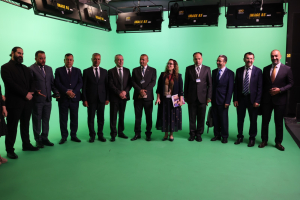
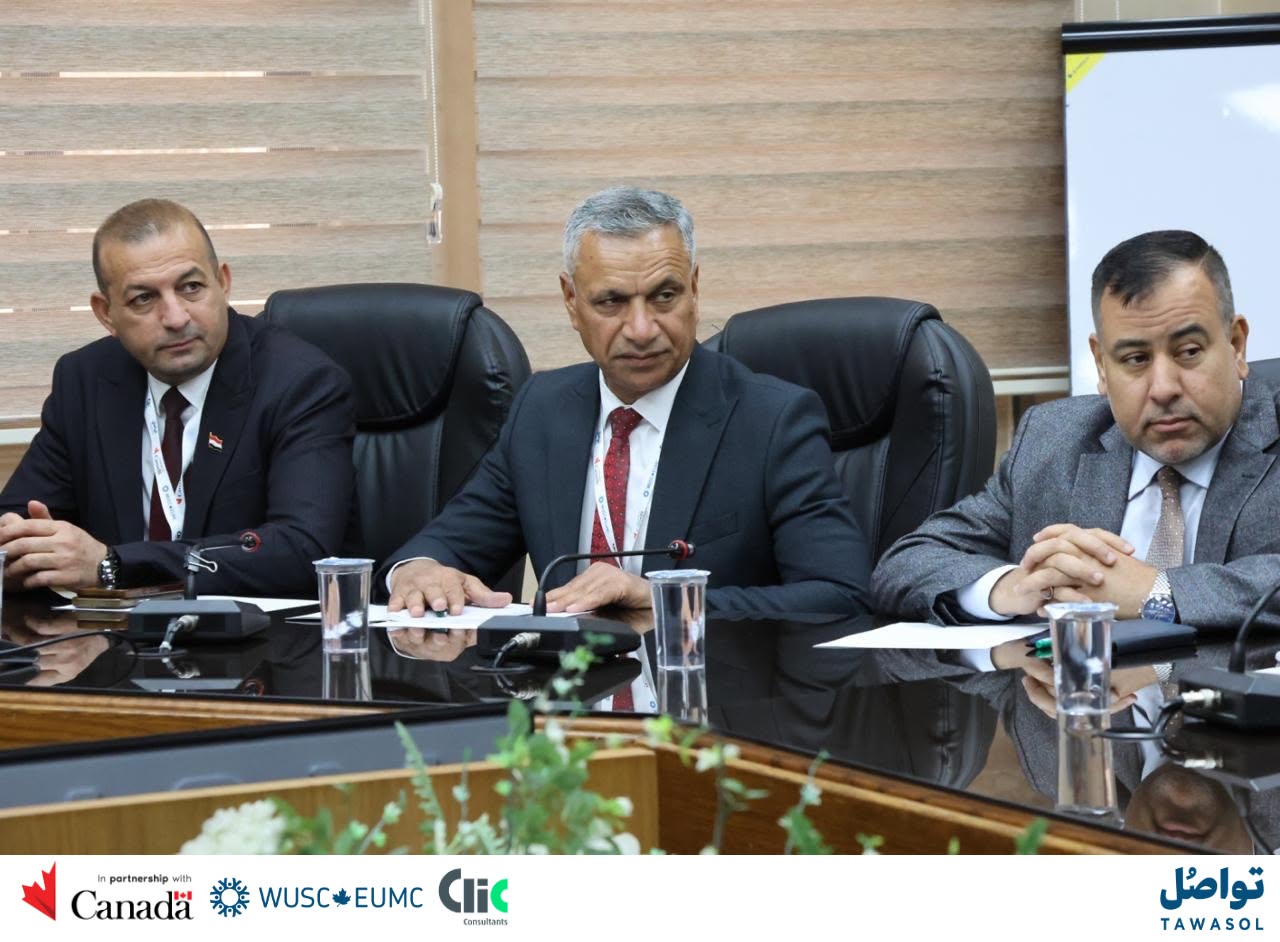
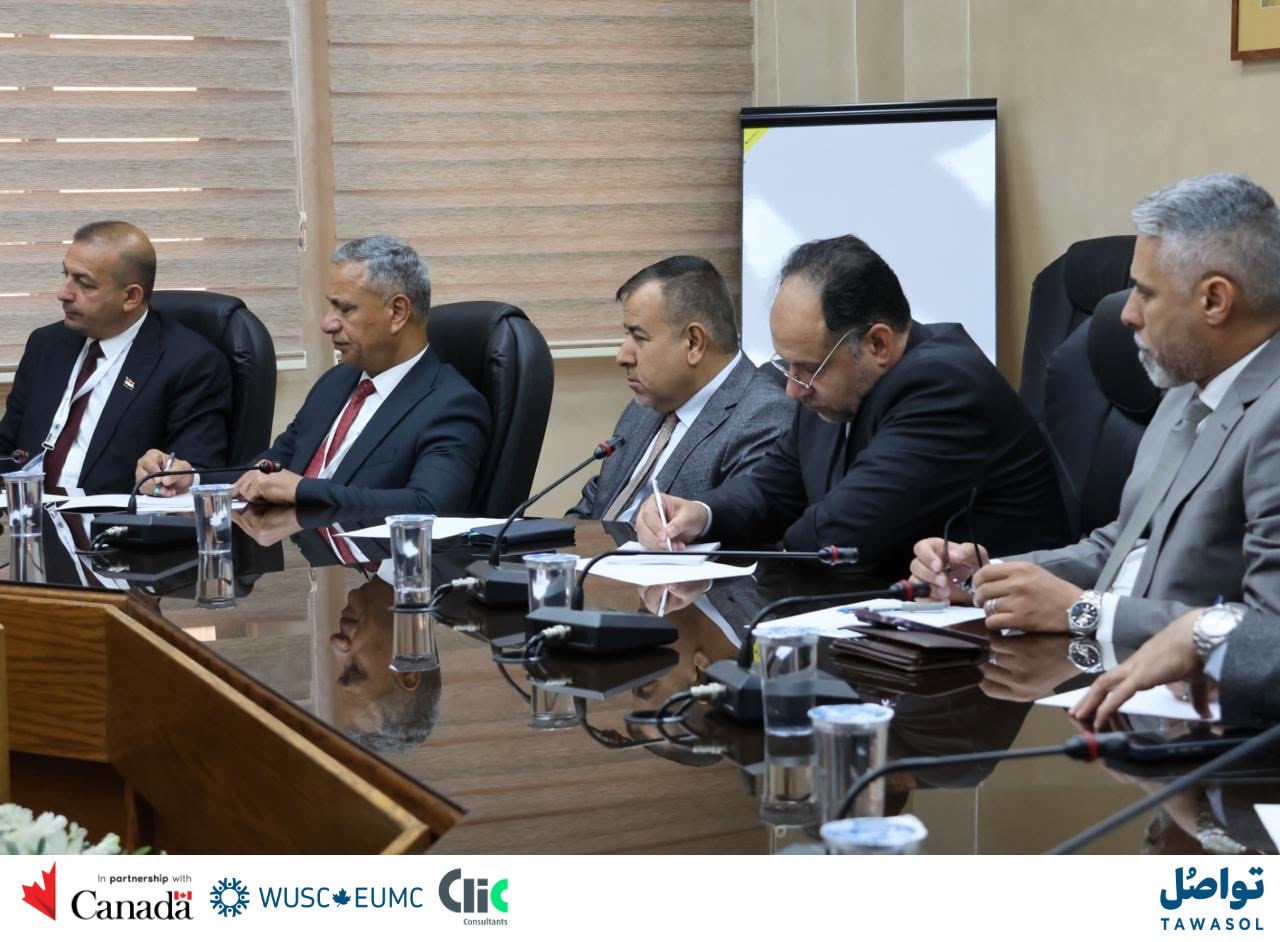
اختتمت الجولة الدراسية للوفد العراقي إلى الأردن، التي امتدت خلال الفترة 11 - 15 تشرين الأول 2026، بمشاركة ممثلين عن وزارة التعليم العالي والبحث العلمي ورؤساء الجامعات التقنية الوسطى والشمالية والجنوبية وجامعة الفرات الأوسط التقنية. ونظمت الجولة بتنسيق من الهيئة العالمية للخدمات الجامعية في كندا WUSC بالشراكة مع الشركة الكندية للاستشارات الدولية CLIC، وبدعم من الشؤون العالمية في كندا GAC، ضمن مشروع تواصل – العراق، بهدف الاطلاع على تجارب أردنية متقدمة في التأهيل والتوظيف وربط التعليم التقني والمهني باحتياجات سوق العمل.
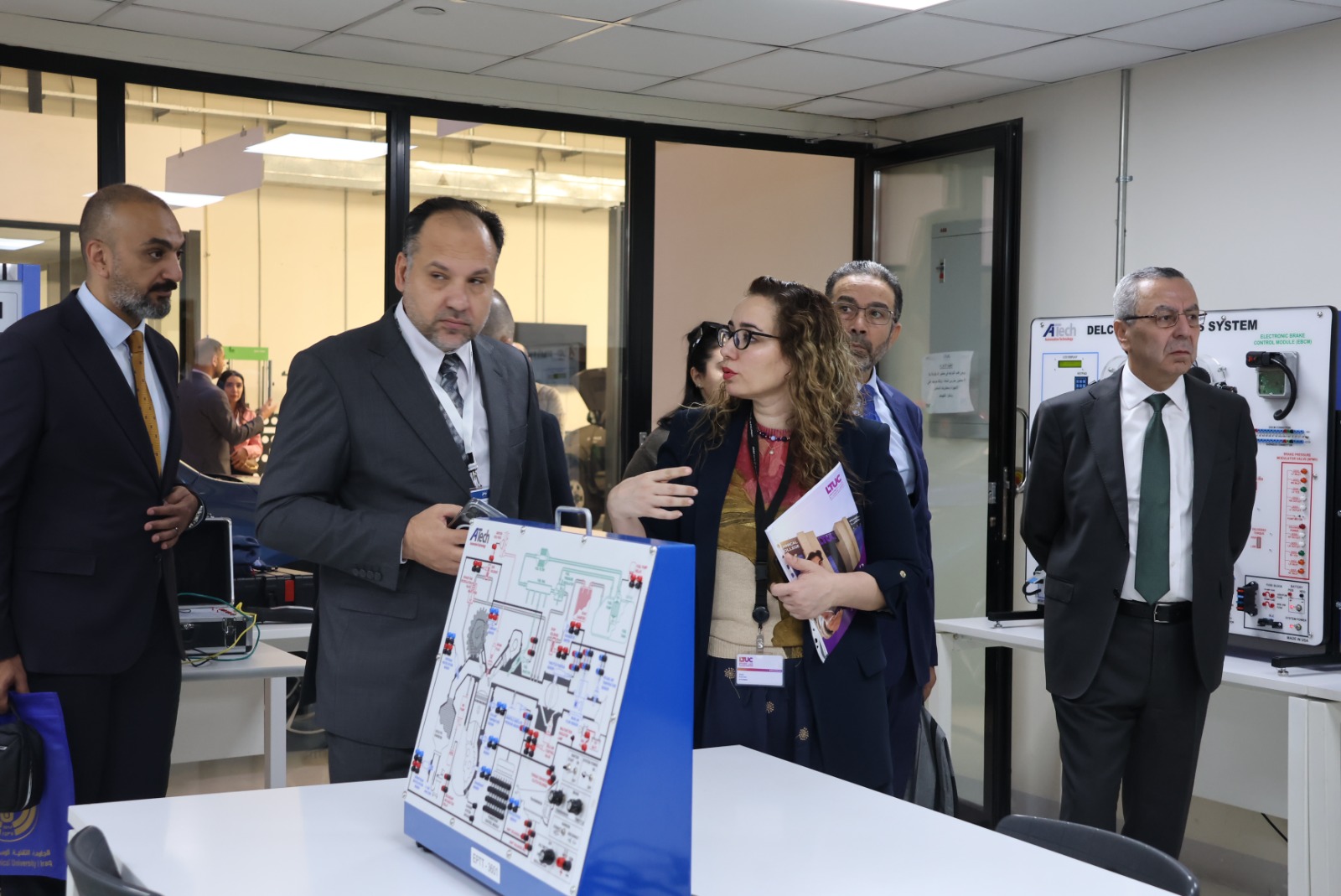
تضمنت الجولة لقاءات رسمية وزيارات مؤسسية إلى عدد من الجامعات والكليات الأردنية، من بينها جامعة العلوم التطبيقية الخاصة، وجامعة الحسين التقنية، وكلية لومينوس الجامعية التقنية، وكلية الملكة نور الجامعية للطيران، وكلية العقبة الجامعية التابعة لجامعة البلقاء التطبيقية، وجامعة العقبة للتكنولوجيا. وأتاحت الزيارات للوفد التعرف على برامج وممارسات عملية في:
- الإرشاد المهني والتوجيه الوظيفي للطلبة.
- التدريب في مواقع العمل والتدريب القائم على الشراكة مع أصحاب العمل.
- التشبيك المؤسسي مع القطاع الخاص.
- تتبع الخريجين وقياس انتقالهم من الدراسة إلى العمل.
- ربط الخريجين بالوظائف وفرص العمل، أو دعمهم لإنشاء مشروعاتهم الخاصة.
- تزويد الطلبة والمتدربين بالمهارات الناعمة ومهارات التوظيف والاستعداد لسوق العمل.
- تطوير المختبرات التطبيقية، وريادة الأعمال، والمهارات الرقمية والذكاء الاصطناعي.
وقد ساعدت هذه التجارب أعضاء الوفد على الاطلاع المباشر على كيفية انتقال الجامعات من تقديم التعليم الأكاديمي فقط إلى بناء منظومة متكاملة تبدأ من تصميم البرامج وفق احتياجات السوق، وتمر بالتدريب العملي والإرشاد المهني، وتنتهي بتتبع الخريجين وربطهم بفرص العمل أو دعمهم في تأسيس مشروعاتهم. كما وفرت الجولة فرصة لمناقشة الأدوات والآليات المؤسسية التي يمكن تكييفها وتطبيقها داخل الجامعات العراقية بما يتناسب مع واقعها واحتياجاتها.
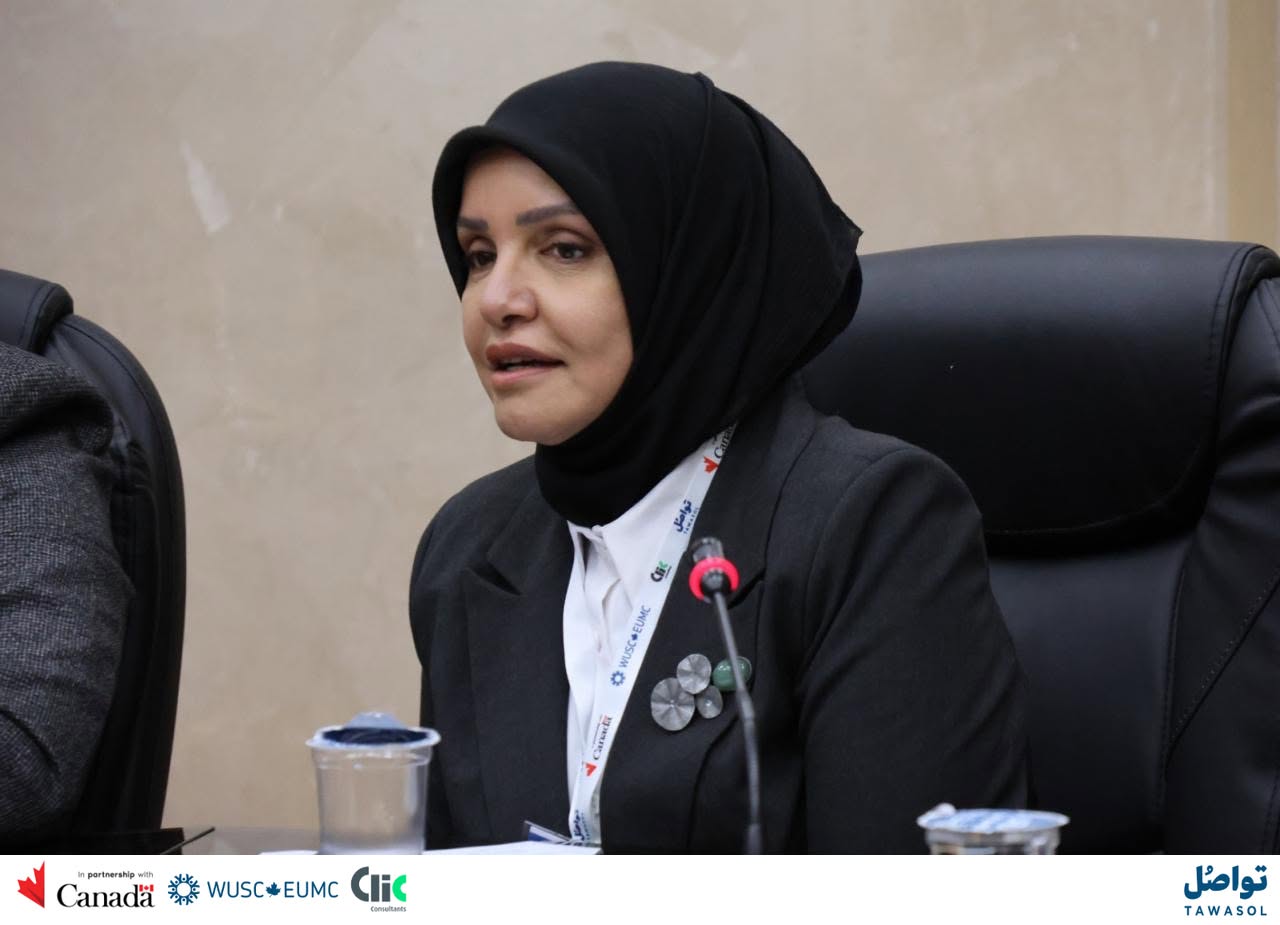
وفي الجلسة الختامية، أعرب رئيس الوفد العراقي، الأستاذ الدكتور وضاح عامر، عن أن الجولة كانت من أنجح الزيارات والورش التي شارك فيها، مؤكدا أنها كانت مركزة ومنظمة بإتقان، وأن جميع أعضاء الوفد استفادوا من محتواها وتجاربها. وقد خصصت الجلسة لمقارنة التجارب، واستخلاص الدروس المستفادة، وتحديد الإجراءات التي يمكن للجامعات البدء بها بعد العودة إلى العراق.
وحدد رؤساء الجامعات عددا من أولويات التعاون:
- أشار الأستاذ الدكتور وضاح عامر إلى أن جامعة العلوم التطبيقية الخاصة تقدم نموذجا متقدما في الإدارة والتطوير المؤسسي والشراكات الدولية، كما أبرز أهمية تجربة كلية لومينوس في التشبيك مع القطاع الخاص وتوفير مختبرات تطبيقية متقدمة.
- أكد الأستاذ الدكتور عدنان عتيق، رئيس الجامعة التقنية الجنوبية، أن الأولوية ستكون للتنسيق مع كلية العقبة الجامعية للاستفادة من تجربتها في تدريس العلوم البحرية وتطبيقاتها.
- أوضح الأستاذ الدكتور جاسم فتحي، رئيس الجامعة التقنية الشمالية، أهمية تفعيل التعاون مع جامعة العلوم التطبيقية الخاصة وجامعة العقبة للتكنولوجيا، خصوصا في العلوم الطبية والصيدلانية وصناعة الأطراف الصناعية، إلى جانب الاستفادة من تجربة جامعة الحسين التقنية في بناء الشراكات مع القطاع الخاص وتعزيز تشغيل الخريجين.
- أكد الأستاذ الدكتور حسن لطيف، رئيس جامعة الفرات الأوسط التقنية، أن الأولوية ستكون للتعاون مع كلية الملكة نور الجامعية للطيران، نظرا لتوافق برامجها وتخصصاتها مع توجهات الجامعة.
كما خلص الوفد إلى مجموعة من التوصيات السريعة، في مقدمتها توفير مصادر تمويل مباشرة لدعم مشروع ريادي واحد على الأقل في كل جامعة، إلى جانب تدريب المدرسين والمدربين للحصول على شهادات معتمدة في التخصصات والمجالات الحديثة والمتقدمة.
ومن المتوقع أن تنعكس مخرجات الجولة على الجامعات العراقية من خلال تطوير وحدات الإرشاد المهني، وتحسين برامج التدريب في مواقع العمل، وبناء شراكات أكثر فاعلية مع القطاع الخاص، وتطوير أنظمة تتبع الخريجين، وتعزيز خدمات التوظيف وريادة الأعمال، وإدماج المهارات الناعمة ومهارات التوظيف في البرامج الأكاديمية والتقنية. كما ستسهم التجارب التي اطلع عليها الوفد في تحسين تصميم هذه البرامج وتنفيذها وقياس نتائجها، بدل الاكتفاء بتنفيذ أنشطة منفصلة لا ترتبط بمؤشرات تشغيل واضحة.
ولضمان استدامة النتائج، أوصى المشاركون بإعداد خطة عمل لكل جامعة، وتسمية نقاط اتصال للمتابعة، وتحويل مذكرات التفاهم وخطابات النوايا إلى أنشطة قابلة للتنفيذ. ويمكن قياس نجاح الجولة من خلال إطلاق مشروع مشترك واحد على الأقل لكل جامعة، وتدريب مدربين والحصول على شهادات معتمدة، وتفعيل اتفاقيات التعاون، وتوسيع الشراكات مع القطاع الخاص، وبدء برامج بحثية أو تدريبية مشتركة، وتطوير آليات واضحة لتتبع الخريجين وقياس انتقالهم إلى العمل.
وقد أكدت الجولة أن تبادل الخبرات يحقق أثره الحقيقي عندما يتحول إلى خطط تنفيذية وشراكات مؤسسية وبرامج عملية يستفيد منها الطلبة والمدرسون والخريجون وسوق العمل في العراق والأردن.
#مشروع_تواصل #WUSC #SRD_Center #العراق #الأردن #التعليم_التقني #التعليم_المهني #الإرشاد_المهني #التدريب_في_مواقع_العمل #تتبع_الخريجين #قابلية_التوظيف #الشراكة_مع_القطاع_الخاص #ريادة_الأعمال
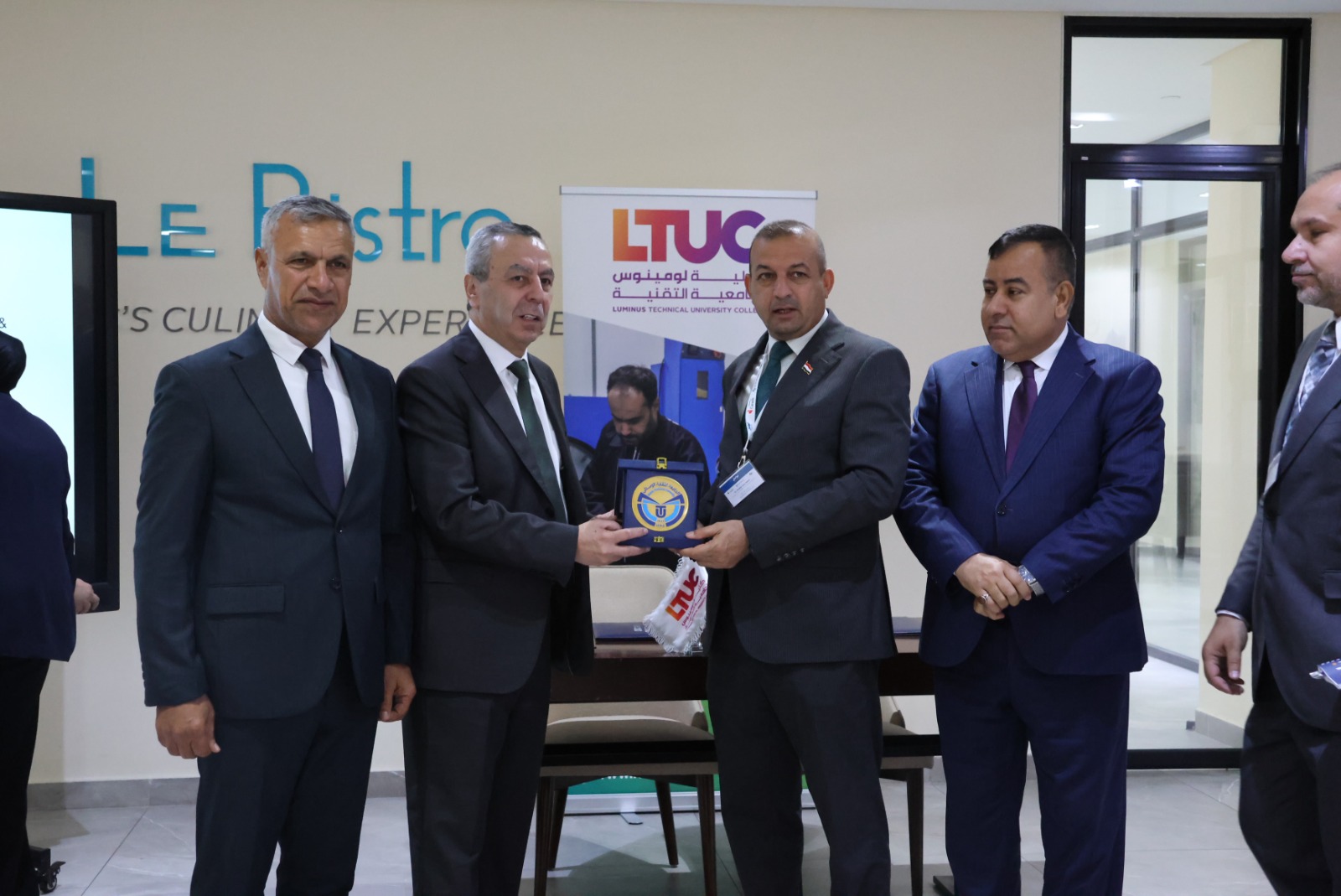
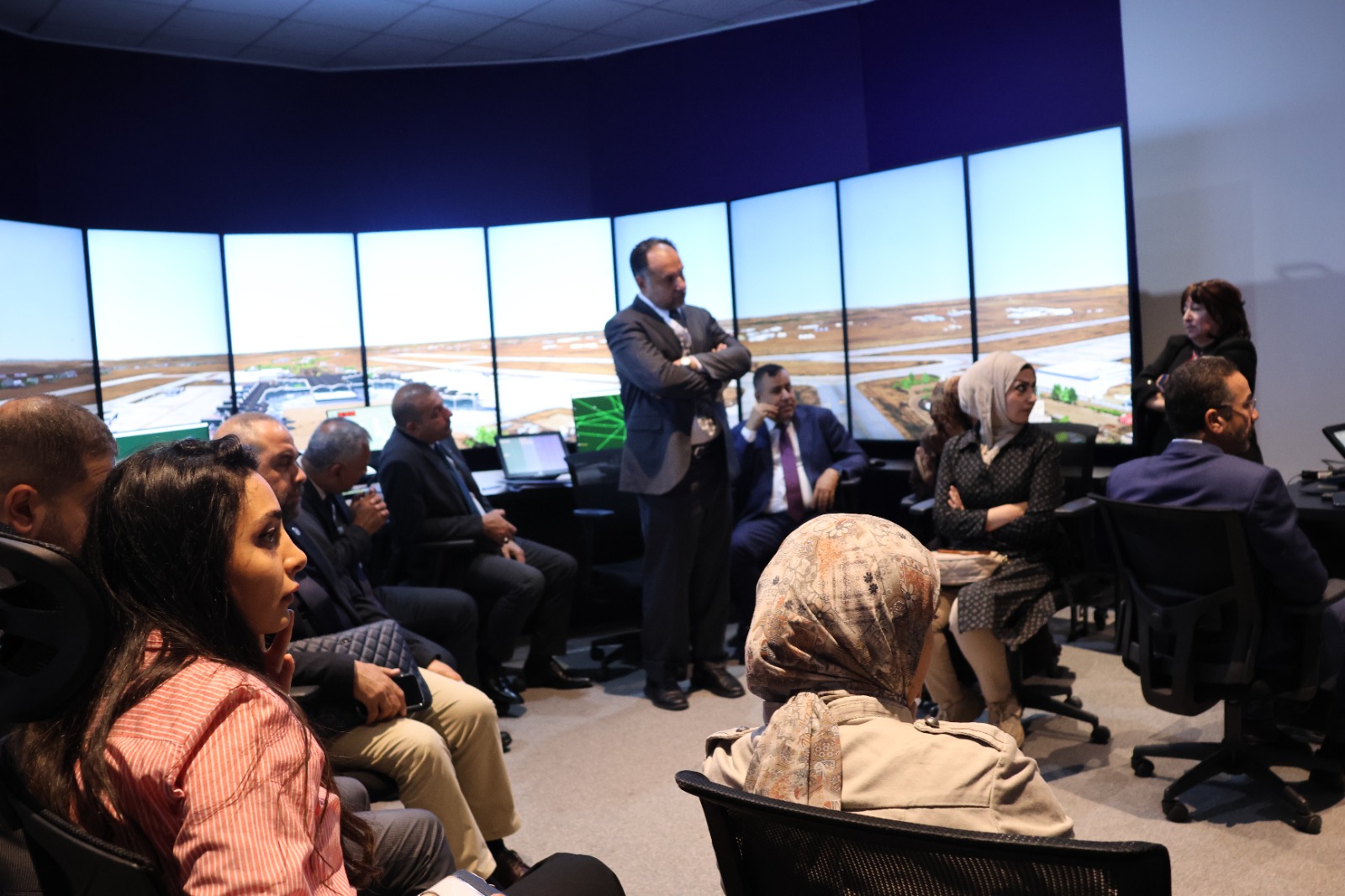
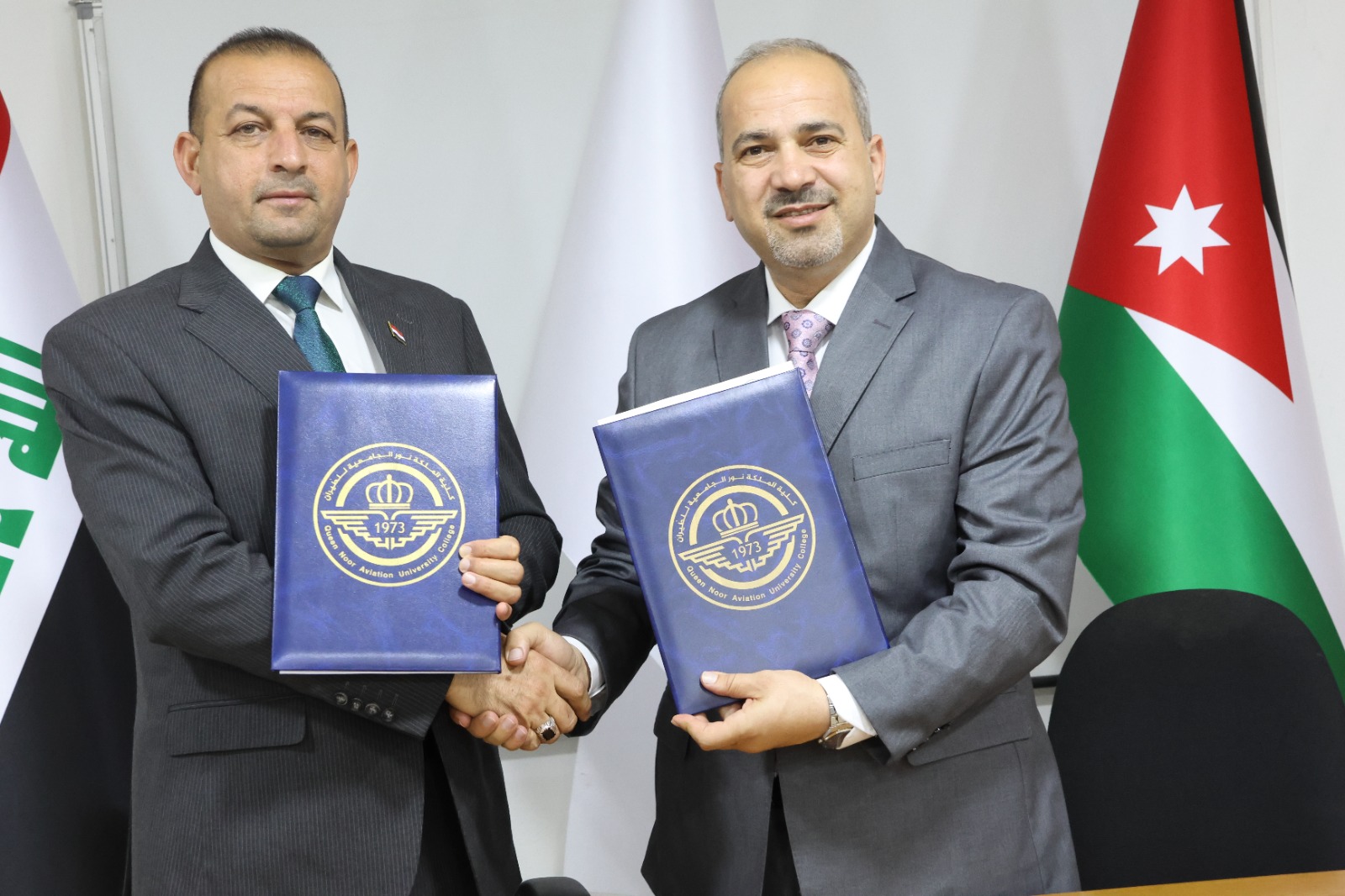
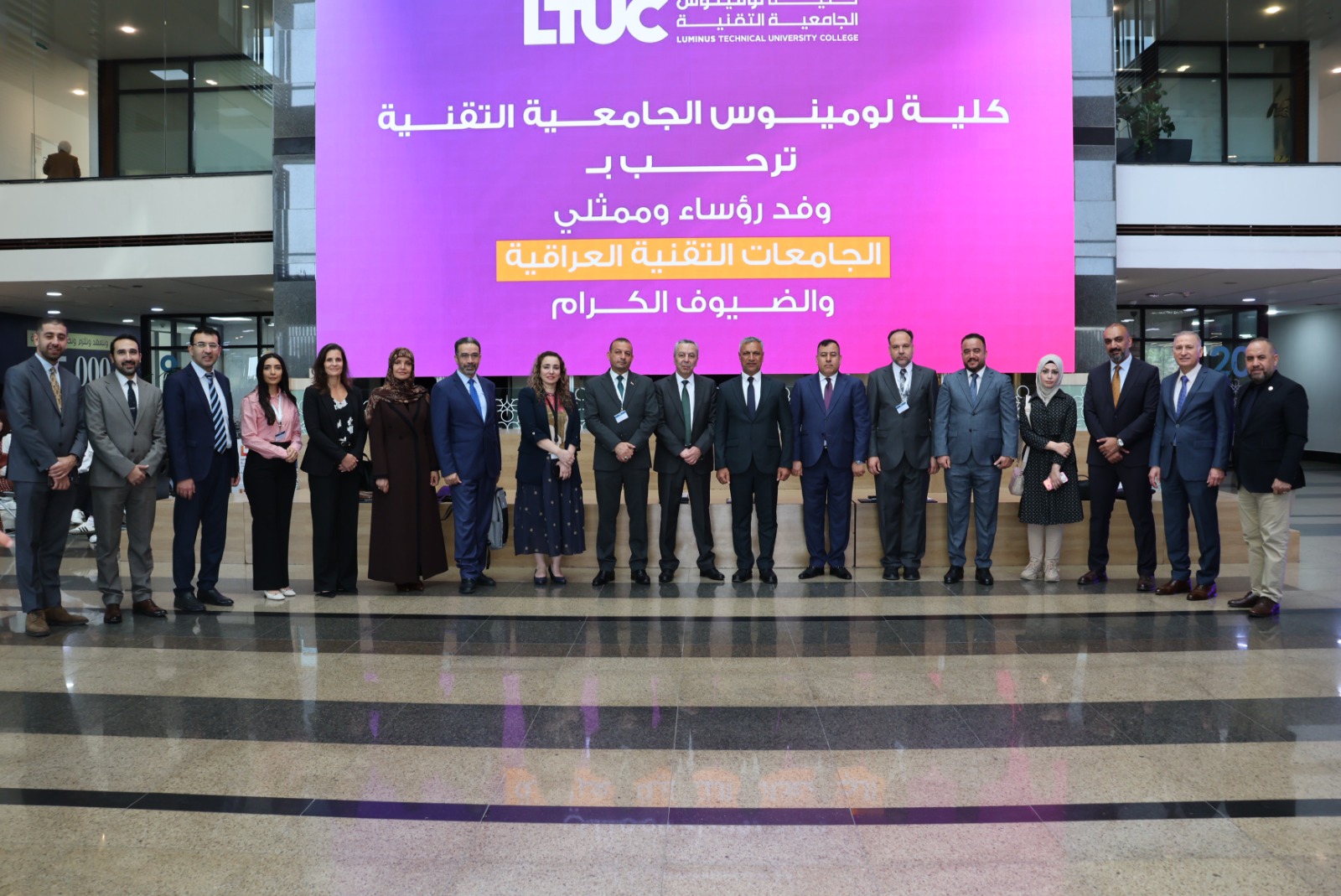
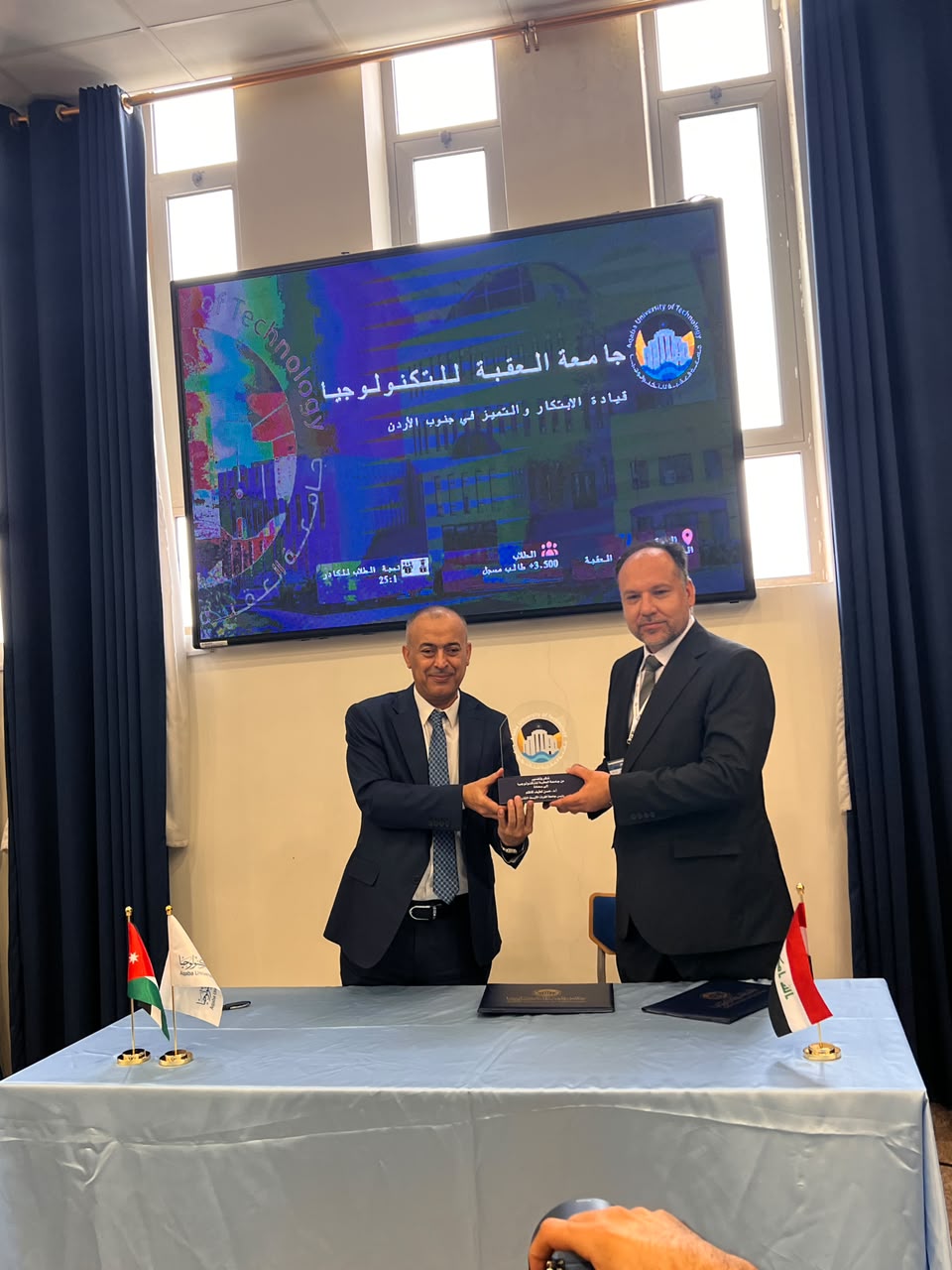
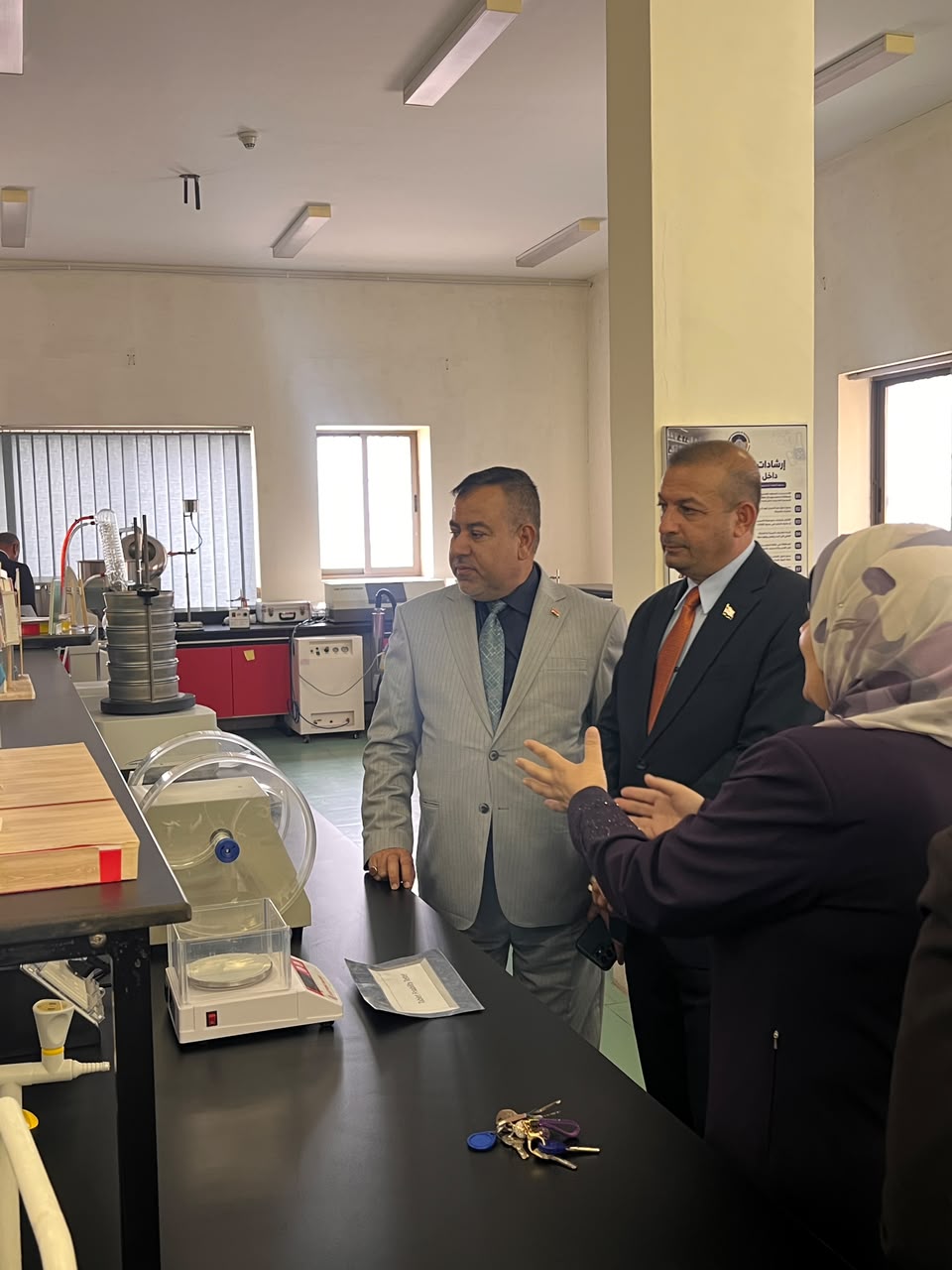
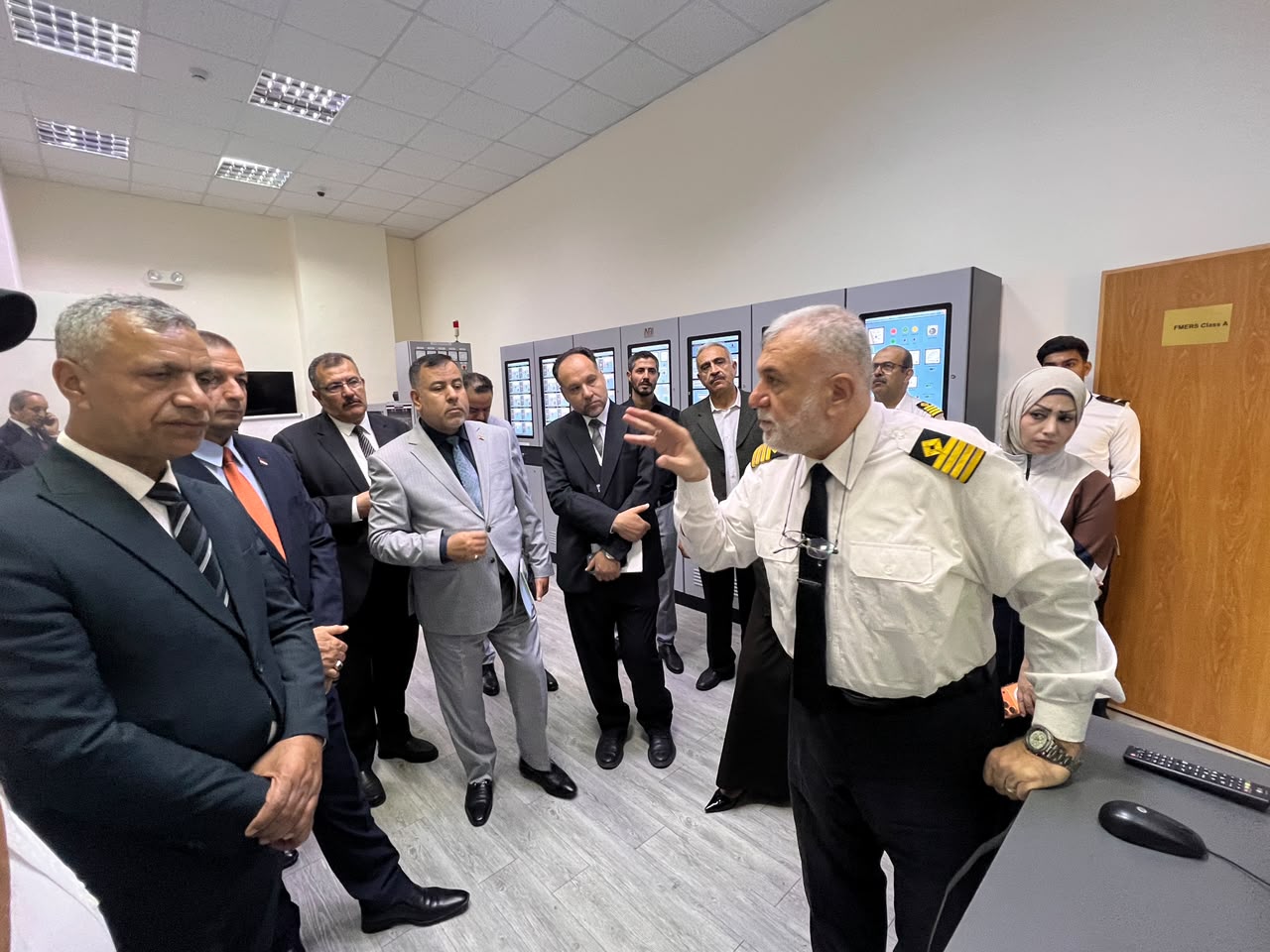
الشراكة الأردنية - العراقية في التعليم والتدريب المهني والتقني
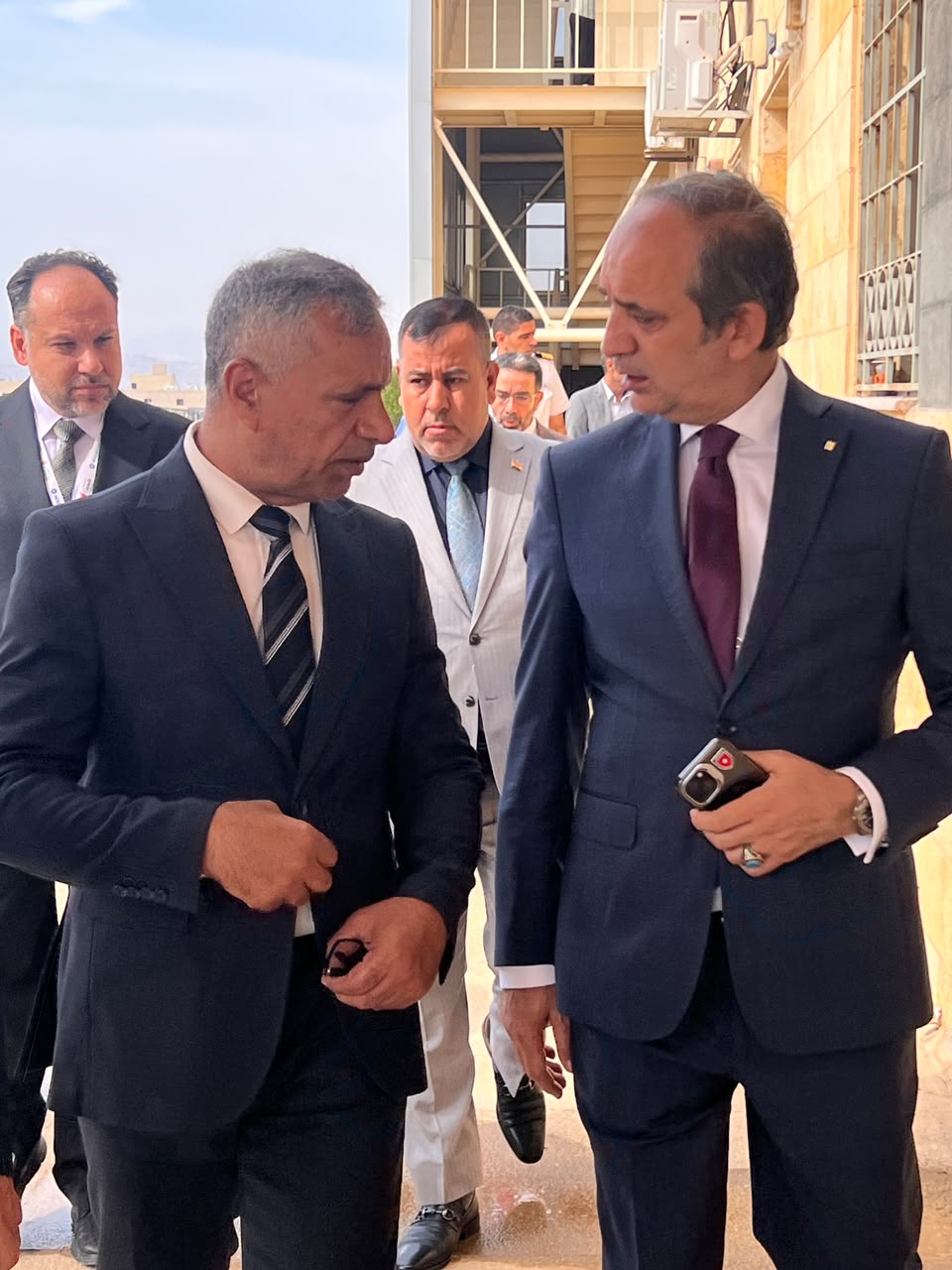
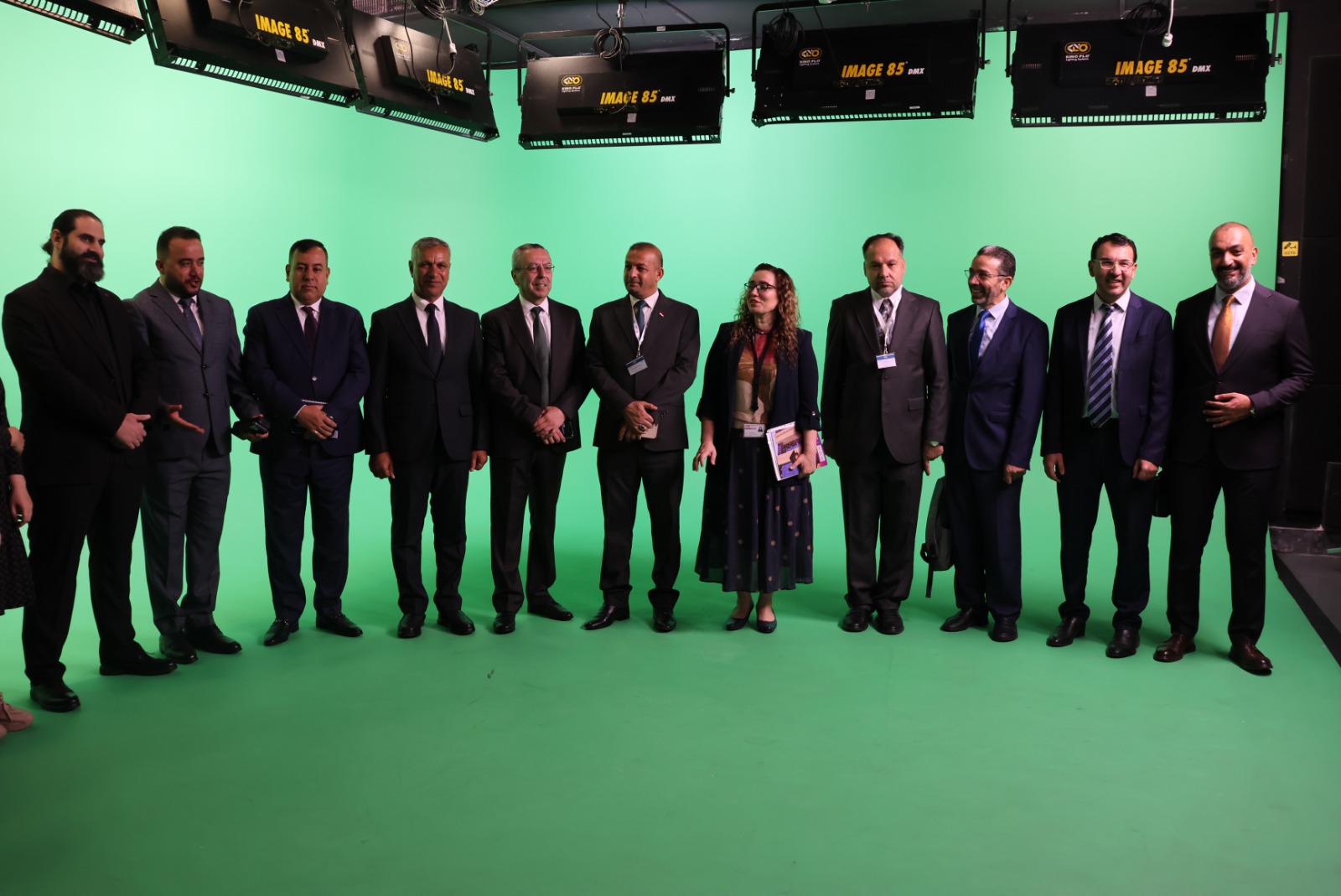
في إطار الجولة الدراسية الهادفة إلى تبادل الخبرات وتعزيز قدرات التأهيل والتوظيف في الجامعات التقنية، استقبل معالي الدكتور عزمي محافظة، وزير التربية والتعليم وتنمية الموارد البشرية الأردني، الوفد العراقي، بحضور أمين عام التعليم العالي الدكتور شادي المساعدة. وقد جرى اللقاء بتنظيم وتنسيق من الهيئة العالمية للخدمات الجامعية في كندا WUSC، وبحضور مدير مكتب العراق السيد أسامة محمد، ومديرة مكتب الأردن السيدة نانسي المومني.
ركز اللقاء على ترجمة أهداف الجولة الدراسية إلى خطوات عملية تعزز التعاون بين مؤسسات التعليم العالي والتعليم والتدريب المهني والتقني في جمهورية العراق والمملكة الأردنية الهاشمية. وقدم معالي الدكتور عزمي محافظة نبذة عن تطور منظومة التعليم والتدريب المهني والتقني في الأردن، مؤكدا أهمية تفعيل مذكرة التفاهم الموقعة بين وزارتي التربية في البلدين عام 2021، والتي تعذر تنفيذها آنذاك بسبب ظروف جائحة كورونا.
من جانبه، أكد رئيس الوفد العراقي، الأستاذ الدكتور وضاح عامر، رئيس الجامعة التقنية الوسطى، عمق العلاقات والروابط بين البلدين الشقيقين، وأهمية البناء عليها من خلال وضع خطة للتبادل العلمي والبحثي بين الجامعات، وتشجيع البحوث التطبيقية المشتركة، وتسهيل إجراءات اعتماد الجامعات والبرامج الدراسية، بما يدعم حركة الطلبة والباحثين ويعزز جودة التعليم في البلدين.
كما تناول النقاش مشاركة المرأة في الكوادر التعليمية والإدارية في الجامعات ومؤسسات التعليم المهني والتقني. وفي هذا السياق، استعرض معالي الوزير تجربة الأردن في تعزيز مشاركة النساء في القطاع التعليمي، مشيرا إلى أن نسبة المعلمات في المدارس الأساسية في الأردن تقترب من 70%، بما يعكس أهمية السياسات الداعمة للمشاركة المتكافئة والاستفادة من الكفاءات النسائية.
وأسفر اللقاء عن تفاهم مشترك للبدء بإجراءات عملية تسهم في تذليل العقبات أمام تطوير التعاون في التعليم والتدريب المهني والتقني على مختلف المستويات، سواء في الجامعات أو المدارس. كما وجه معالي الوزير إلى تعزيز التنسيق المباشر مع وحدة الاعتماد، وتم ترتيب لقاء متابعة في اليوم نفسه مع مدير الوحدة الدكتور ظافر الصرايرة لمناقشة الإجراءات المتعلقة باعتماد الجامعات والبرامج العراقية.
وفي خطوة تعكس الأثر المباشر للجولة الدراسية، حصلت الجامعة التقنية الشمالية على اعتماد وزارة التعليم العالي الأردنية في اليوم التالي للزيارة، في ضوء التوجيهات الرامية إلى تسريع النظر في طلبات اعتماد الجامعات العراقية، ولا سيما الجامعات التقنية. كما وجه رئيس الوفد العراقي دعوة إلى معالي الوزير والجهات الأردنية المعنية للمشاركة في المؤتمرات والفعاليات التربوية والأكاديمية المقبلة في العراق، بما في ذلك مؤتمر مرتقب في بغداد لدعم التعليم والمساهمة في تطوير استراتيجيات التعليم العالي، إلى جانب المشاركة في معارض الجامعات والفعاليات الطلابية الدولية.
وقد ضم الوفد العراقي الأستاذ الدكتور عدنان عتيق/رئيس الجامعة التقنية الجنوبية، والأستاذ الدكتور جاسم فتحي/رئيس الجامعة التقنية الشمالية، والأستاذ الدكتور الأستاذ الدكتور حسن لطيف كاظم/رئيس جامعة الفرات الأوسط، والأستاذ الدكتور حازم باقر طاهر/مدير عام دائرة البعثات والعلاقات الثقافية، والأستاذ الدكتور موفق حازم سمير/مدير قسم المنظمات الدولية والعربية، والدكتورة ندى محمد مراد/معاون مدير قسم المنظمات الدولية والعربية.
يمثل هذا اللقاء خطوة مهمة نحو تحقيق منفعة متبادلة ومستدامة؛ إذ تتيح الشراكة للجامعات العراقية الاستفادة من الخبرات الأردنية في تطوير التعليم المهني والتقني، وضمان الجودة والاعتماد، وربط التعليم بسوق العمل، فيما تفتح أمام المؤسسات الأردنية فرصًا أوسع للتعاون البحثي والأكاديمي، وتبادل الخبرات، والمشاركة في البرامج والفعاليات التعليمية في العراق. ومن شأن البناء على هذه التفاهمات أن يدعم الطلبة والجامعات وسوق العمل، ويعزز التكامل العلمي والتنموي بين البلدين الشقيقين.
#مشروع_تواصل #الجولة_الدراسية #العراق #الأردن #التعليم_التقني #التعليم_المهني #التعاون_الأكاديمي #قابلية_التوظيف #البحث_التطبيقي #الشراكات_الجامعية #WUSC #SRD_Center


Understanding and measuring green jobs
Understanding and measuring green jobs
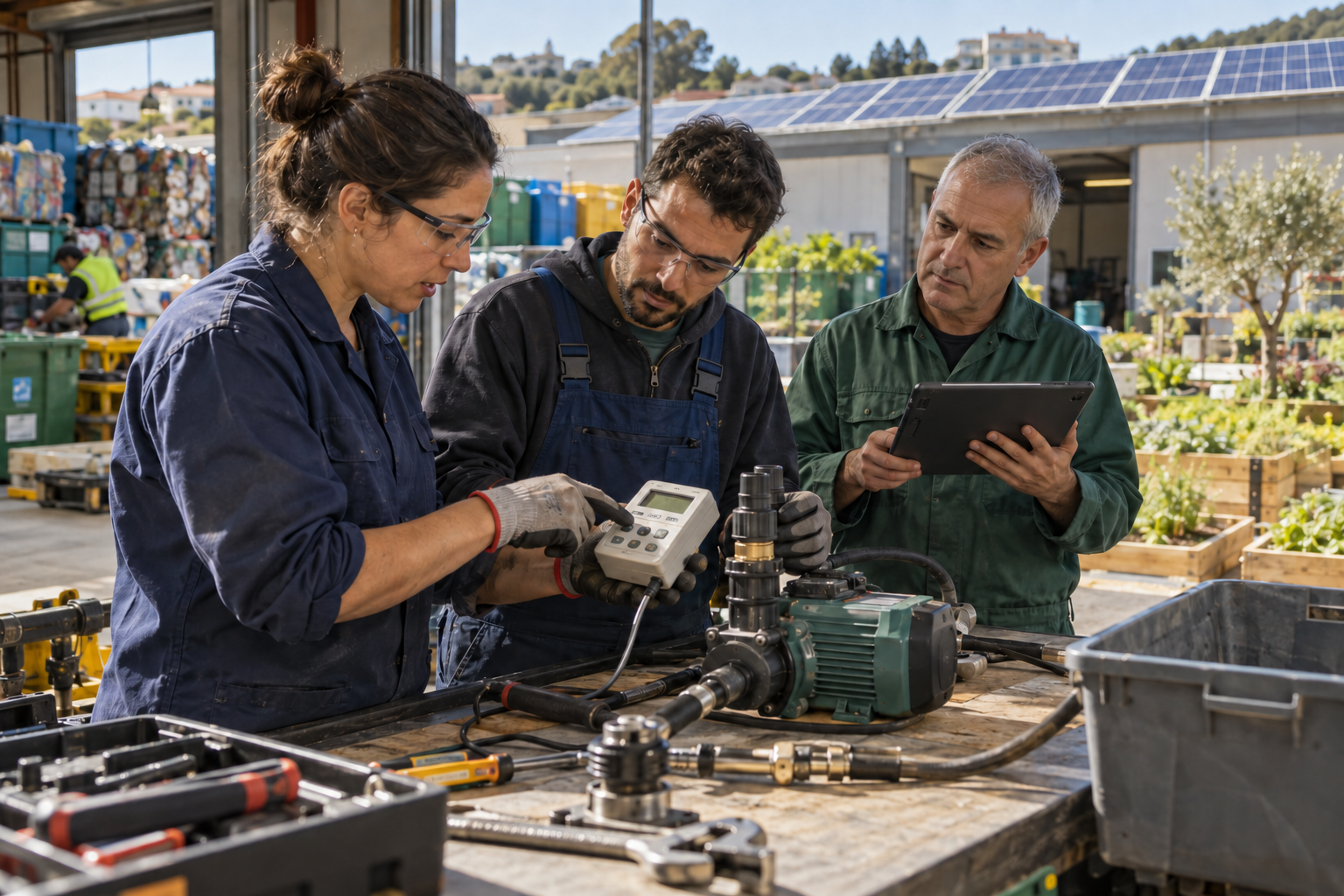
Green jobs support environmental goals, but there is more than one way to identify them. This research compares three approaches: the occupations people hold, the tasks they perform, and the skills their work requires. Its main lesson is useful across countries: using several measures together gives a fuller understanding of green employment and helps governments, employers, and training providers make better decisions.
Why the way we count matters
A country may want to know how many green jobs it has, which workers can access them, and what training will be needed. The answers depend partly on how green work is defined. Counting everyone in an environmental industry may include workers whose duties have little environmental content. Looking only at those industries can also miss green work in farming, construction, manufacturing, transport, and other parts of the economy.
The researchers compared international occupational and skills classifications using records that linked workers with their employers over several years. They examined employment patterns, worker characteristics, and wages. The study therefore offers both a way to think about green jobs and evidence about why different definitions produce different conclusions.
Three ways to understand green employment
Occupations describe the types of jobs people hold. This approach includes new jobs created by environmental activities, existing jobs whose duties are changing, and jobs that become more important as demand shifts. It helps planners identify where employment may grow and which professions may need support.
Tasks describe what people do at work. An occupation may involve activities such as improving energy efficiency, reducing material waste, or maintaining cleaner technologies. Other duties may have little environmental relevance. Measuring green tasks recognises that a job can be partly green and can change gradually as working practices improve.
Skills describe the knowledge and abilities needed for the work. Examples include understanding waste management, sustainable farming, or environmental requirements. Skills can be developed through education, vocational training, and workplace learning. This approach helps identify what people need to learn, including abilities that can be used in several industries.
What the comparison reveals
The study found large differences in estimated green employment depending on the approach used. The measures also identified different industries and groups of workers. Their limited overlap shows that each captures a different part of the same labour market. Estimates from the three approaches should not be added together, because the same jobs can appear in more than one measure.
A bus driver illustrates the difference. Public transport can reduce reliance on private cars, so the occupation may benefit from environmental policies. However, only a small part of its listed skills may be specifically environmental. Similarly, a factory worker may perform energy-saving tasks within an occupation that is not usually described as green.
For any country, the practical lesson is to explain the definition behind each figure. Comparing national totals is meaningful only when the methods, coverage, and time periods are sufficiently similar. A higher estimate under one definition does not automatically mean better environmental performance.
What the findings suggest about workers and pay
In the study, men were more likely than women to hold jobs classified as green. Higher education was generally associated with access to green work, although this varied by job category. Some indirectly green occupations showed a different pattern. For other countries, these findings identify questions to investigate locally: who gains access, who faces barriers, and which entry routes are available beyond university education?
Moving into greener work was generally associated with higher wages after the researchers accounted for several worker and job characteristics. The evidence was more consistent for the occupation and task measures than for the skills measure. Education, experience, and other recorded characteristics explained part of the wage difference; some remained unexplained.
Possible explanations include worker shortages, differences in productivity, and employers’ pay practices. These findings show a relationship, not proof that making a job greener automatically raises pay. Countries need local evidence on wages, recruitment, and the use of skills to understand the benefits of green work.
How countries can use these lessons
Improve employment measurement. Use occupation, task, and skills information together, while reporting their results separately. Adapt international classifications to local job duties and industries. Check whether the available data adequately represent small businesses, informal work, and public employment before describing the figures as national totals.
Connect training to real work. Occupation data can help identify professions that are changing. Task data can show the practical activities workers must perform. Skills data can then guide what courses should teach. This links environmental awareness with concrete abilities that employers need, such as using resources efficiently or maintaining relevant equipment.
Support existing workers as well as new entrants. The green transition changes many established jobs. Short courses, workplace learning, and updated vocational programmes can help workers adapt without always requiring a completely new career. Training should reflect the technologies and working practices actually used by local employers.
Look across industries. The research highlights environmental knowledge in agriculture, practical green tasks in water and waste management, and changing occupations in energy, construction, and transport. These examples encourage countries to examine the whole economy. Their local priorities should follow local evidence rather than assume that another labour market’s sector rankings will apply.
Widen access to opportunities. Examine barriers affecting women, workers with less formal education, and people moving out of declining industries. Recruitment and training programmes can then address the barriers found. Alongside job numbers, assess pay, contract conditions, and opportunities to progress, so that employment growth is considered together with job quality.
What can be transferred and what needs local evidence
The strongest transferable contribution is the approach: examine occupations, tasks, and skills together. The evidence comes from one national private-sector dataset covering 2010 to 2019. Its employment shares, wage estimates, and demographic patterns should not be treated as universal values.
The classifications use fixed occupational scores rather than observing every worker’s changing duties or testing individual skills. Updated data and local employer information can help address these limits. Each country can use the approach while establishing its own results.
Source: Volozhenin, S., Cerejeira, J., and Sousa, R. (2026). Measuring green jobs: Evidence from task, skill, and occupational data. Structural Change and Economic Dynamics, 80, 405–415. https://doi.org/10.1016/j.strueco.2026.07.008
Arabic version:
فهم الوظائف الخضراء وكيفية قياسها
دروس للتشغيل والتدريب
تسهم الوظائف الخضراء في تحقيق الأهداف البيئية، لكن يمكن تحديدها بأكثر من طريقة. يقارن هذا البحث بين ثلاثة مناهج: المهن التي يعمل بها الناس، والمهام التي يؤدونها، والمهارات التي يتطلبها عملهم. والدرس الأساسي الذي يمكن أن تستفيد منه مختلف البلدان هو أن استخدام عدة مقاييس معا يوفر فهما أشمل للتشغيل الأخضر، ويساعد الحكومات وأصحاب العمل ومقدمي التدريب على اتخاذ قرارات أفضل.
لماذا تهم طريقة احتساب الوظائف الخضراء
قد ترغب أي دولة في معرفة عدد وظائفها الخضراء، ومن يستطيع الوصول إليها، وما التدريب المطلوب لشغلها. وتعتمد الإجابات جزئيا على تعريف العمل الأخضر. فاحتساب جميع العاملين في قطاع بيئي قد يشمل أشخاصا لا ترتبط واجباتهم بالبيئة إلا بدرجة محدودة. وفي المقابل، قد يؤدي الاقتصار على هذه القطاعات إلى إغفال أعمال خضراء في الزراعة والبناء والصناعة والنقل وغيرها من الأنشطة الاقتصادية.
قارن الباحثون بين تصنيفات دولية للمهن والمهارات، باستخدام سجلات تربط العاملين بأصحاب عملهم على مدى عدة سنوات. ودرسوا أنماط التشغيل وخصائص العاملين والأجور. وبذلك تقدم الدراسة طريقة لفهم الوظائف الخضراء، وأدلة توضح لماذا تؤدي التعريفات المختلفة إلى استنتاجات مختلفة.
ثلاث طرق لفهم التشغيل الأخضر
المهن: هي أنواع الوظائف التي يشغلها الناس. ويشمل هذا المنهج وظائف جديدة أوجدتها الأنشطة البيئية، ووظائف قائمة تتغير واجباتها، ومهنا تزداد أهميتها مع تغير الطلب. ويساعد المخططين على تحديد المجالات التي قد تنمو فيها فرص العمل والمهن التي قد تحتاج إلى دعم.
المهام: هي ما يؤديه الناس فعليا في عملهم. فقد تشمل المهنة تحسين كفاءة الطاقة، أو تقليل هدر المواد، أو صيانة تقنيات أنظف، إلى جانب واجبات أخرى محدودة الصلة بالبيئة. ويقر قياس المهام الخضراء بأن الوظيفة قد تكون خضراء جزئيا، وأنها قد تتغير تدريجيا مع تحسن ممارسات العمل.
المهارات: هي المعارف والقدرات اللازمة للعمل، مثل مهارات إدارة النفايات أو الزراعة المستدامة أو المتطلبات البيئية. ويمكن تطويرها بالتعليم والتدريب المهني والتعلم في مكان العمل. ويساعد هذا المنهج على تحديد ما يحتاج الناس إلى تعلمه، بما في ذلك القدرات التي يمكن استخدامها في عدة قطاعات.
ما الذي تكشفه المقارنة
وجدت الدراسة فروقا كبيرة في تقديرات التشغيل الأخضر تبعا للمنهج المستخدم. كما حددت المقاييس قطاعات وفئات مختلفة من العاملين. ويشير التقاطع المحدود بينها إلى أن كل مقياس يرصد جانبا مختلفا من سوق العمل نفسه. ولا ينبغي جمع تقديرات المناهج الثلاثة، لأن الوظائف ذاتها قد تظهر في أكثر من مقياس.
يوضح سائق الحافلة هذا الفرق. فالنقل العام قد يقلل الاعتماد على السيارات الخاصة، ولذلك قد تستفيد هذه المهنة من السياسات البيئية، رغم أن جزءا صغيرا فقط من مهاراتها المصنفة قد يكون بيئيا بصورة مباشرة. وبالمثل، قد يؤدي عامل في مصنع مهام توفر الطاقة ضمن مهنة لا توصف عادة بأنها خضراء.
والدرس العملي لأي بلد هو توضيح التعريف الذي يستند إليه كل رقم. ولا تكون مقارنة الإجماليات الوطنية ذات معنى إلا عندما تتشابه طرق القياس ونطاق التغطية والفترات الزمنية بدرجة كافية. وارتفاع التقدير وفق تعريف معين لا يعني تلقائيا أن الأداء البيئي أفضل.
ما الذي تشير إليه النتائج بشأن العاملين والأجور
كان الرجال في الدراسة أكثر احتمالا من النساء لشغل وظائف مصنفة بأنها خضراء. وارتبط التعليم العالي عموما بالوصول إلى العمل الأخضر، مع اختلاف ذلك حسب فئة الوظيفة؛ إذ أظهرت بعض المهن المرتبطة بالتحول الأخضر بصورة غير مباشرة نمطا مختلفا. وتطرح هذه النتائج أسئلة تستحق الدراسة محليا في البلدان الأخرى: من يصل إلى الفرص، ومن يواجه عوائق، وما مسارات الدخول المتاحة إلى جانب التعليم الجامعي؟
ارتبط الانتقال إلى عمل أكثر مراعاة للبيئة عموما بأجور أعلى، بعد مراعاة عدة خصائص للعاملين والوظائف. وكانت الأدلة أكثر اتساقا في مقياسي المهن والمهام مقارنة بمقياس المهارات. وقد فسر التعليم والخبرة وغيرهما من الخصائص المسجلة جزءا من فروق الأجور، بينما بقي جزء دون تفسير.
من التفسيرات المحتملة نقص العاملين، واختلاف الإنتاجية، وسياسات الأجور لدى أصحاب العمل. وتوضح هذه النتائج وجود علاقة، لكنها لا تثبت أن زيادة الطابع البيئي للوظيفة ترفع الأجر تلقائيا. وتحتاج البلدان إلى أدلة محلية عن الأجور والتوظيف واستخدام المهارات لفهم فوائد العمل الأخضر.
كيف تستفيد البلدان من هذه الدروس
تحسين قياس التشغيل. استخدام بيانات المهن والمهام والمهارات معا، مع عرض نتائج كل منها بصورة منفصلة، ومواءمة التصنيفات الدولية مع واجبات الوظائف والقطاعات المحلية. وينبغي التأكد من أن البيانات تمثل المنشآت الصغيرة والعمل غير المنظم والتشغيل في القطاع العام تمثيلا كافيا، قبل وصف الأرقام بأنها إجماليات وطنية.
ربط التدريب بالعمل الفعلي. تساعد بيانات المهن على تحديد المهن التي تتغير، وتوضح بيانات المهام الأنشطة العملية المطلوبة من العاملين، ثم توجه بيانات المهارات محتوى الدورات. وهذا يربط الوعي البيئي بقدرات ملموسة يحتاجها أصحاب العمل، مثل الاستخدام الكفؤ للموارد أو صيانة المعدات ذات الصلة.
دعم العاملين الحاليين والداخلين الجدد إلى سوق العمل. يغير التحول الأخضر كثيرا من الوظائف القائمة. ويمكن للدورات القصيرة والتعلم في مكان العمل وتحديث برامج التدريب المهني أن تساعد العاملين على التكيف، دون الحاجة دائما إلى تغيير مسارهم المهني بالكامل. وينبغي أن يعكس التدريب التقنيات وممارسات العمل المستخدمة فعليا لدى أصحاب العمل المحليين.
النظر إلى مختلف القطاعات. يبرز البحث المعارف البيئية في الزراعة، والمهام الخضراء العملية في إدارة المياه والنفايات، والمهن المتغيرة في الطاقة والبناء والنقل. وتشجع هذه الأمثلة البلدان على دراسة الاقتصاد بأكمله. ويجب تحديد الأولويات استنادا إلى الأدلة المحلية، دون افتراض أن ترتيب القطاعات في سوق عمل آخر ينطبق محليا.
توسيع الوصول إلى الفرص. دراسة العوائق التي تواجه النساء والعاملين الأقل تعليما نظاميا، ومن ينتقلون من قطاعات متراجعة، ثم تصميم برامج توظيف وتدريب تعالج العوائق المحددة. وإلى جانب عدد الوظائف، ينبغي تقييم الأجور وشروط العقود وفرص التقدم المهني، للنظر إلى نمو التشغيل وجودة الوظائف معا.
ما الذي يمكن الاستفادة منه وما الذي يحتاج إلى أدلة محلية
أبرز إسهام يمكن نقله إلى بلدان أخرى هو المنهج: دراسة المهن والمهام والمهارات معا. وتستند الأدلة الأصلية إلى مجموعة بيانات عن القطاع الخاص في بلد واحد، تغطي الفترة من 2010 إلى 2019. ولذلك، لا ينبغي التعامل مع نسب التشغيل وتقديرات الأجور والأنماط السكانية الواردة فيها بوصفها قيما تنطبق على جميع البلدان.
تستخدم التصنيفات درجات ثابتة للمهن، بدلا من رصد تغير واجبات كل عامل أو اختبار مهاراته الفردية. ويمكن أن تساعد البيانات المحدثة والمعلومات المستمدة من أصحاب العمل المحليين على معالجة هذه القيود. وبوسع كل بلد استخدام المنهج مع التوصل إلى نتائجه الخاصة.
CBAM Requirements and Emissions Data for Exporters Training
SRD Center | SRD Green Academy
Status: Ongoing programme; dates arranged upon request
Programme page: Available upon request
Three-Day Instructor-Led Workshop
Delivery mode: Face-to-face or live online, instructor-led training
Duration: Three days, 18 training hours
Languages: Available in English and Arabic, according to the group’s requirements
Target countries: Jordan and other Middle East and North Africa (MENA) countries
Delivery locations: Jordan, Iraq, Libya, Syria, Yemen and other MENA countries, subject to agreement
Course Overview
This SRD programme helps factory and export teams understand the European Union’s Carbon Border Adjustment Mechanism (CBAM), assess product coverage and prepare reliable emissions information for EU customers. Participants connect customs classification, production records, supplier evidence and emissions calculations to the exporter’s role in supporting CBAM reporting.
The course focuses on the definitive CBAM regime and practical preparation of an exporter data dossier for technical review and independent verification. Original SRD cases involving fictional aluminium and steel manufacturers in Sahab and Zarqa are complemented by cement and fertiliser examples.
Activities address issues relevant to Jordanian factories, including imported production inputs, Arabic records, mixed measurement units, fuel use, rooftop solar and grid electricity. Participants practise resolving data gaps and communicating the status and limitations of their results to customers.
Recommended for
- Export managers and staff responsible for EU customer requirements
- Production engineers and environmental, quality and sustainability teams
- Energy managers, purchasing teams and factory finance staff
- Industrial consultants, technical trainers and chambers of industry
- Government, donor and NGO programmes supporting industrial competitiveness and greener production
Recommended preparation: familiarity with a factory process and basic calculator or spreadsheet skills. Earlier SRD environmental data or LCA courses are useful but are not prerequisites.
Training Objective
The objective is to enable participants to identify CBAM data requirements for their products, prepare traceable emissions calculations and evidence, and plan the steps needed for verification and customer handover.
By the end of the workshop, participants will be better able to:
- Assess likely product coverage using EU customs codes and the applicable scope rules
- Distinguish exporter responsibilities from those of the EU importer or CBAM declarant
- Define production boundaries, reporting units and monitoring responsibilities
- Reconcile material, fuel, production and electricity records
- Calculate a simplified emissions case, including purchased precursor inputs
- Distinguish actual data, official default values, estimates and unresolved gaps
- Prepare evidence for independent verification and controlled customer handover
- Explain illustrative cost drivers and prepare a workplace improvement plan
Main Training Topics
Day One CBAM Scope and Factory Data Requirements
- The definitive CBAM regime, exporter roles and the compliance calendar
- Product classification, coverage and the importer’s mass exemption
- Production boundaries, functional units and sector differences
- Monitoring plans, data owners, source records and quality controls
Day Two Emissions Calculations and Verification Evidence
- Fuel, production and material balance calculations
- Purchased precursor inputs and supplier emissions evidence
- Electricity balances, rooftop solar and selection of official default values
- Independent verification, evidence gaps and corrective actions
Day Three Customer Handover and Exporter Action Planning
- Customer data handover and the CBAM Registry workflow
- Illustrative costs, free-allocation adjustments and emissions reduction options
- Team exercise to assemble and review an exporter data dossier
- Individual assessments and a 30-day workplace action plan
Training Methodology
The programme combines short technical explanations, process mapping, guided calculations, supplier-data exercises and group problem solving. Participants rotate factory operator, procurement, checker and customer roles while building one connected data dossier.
Activities include an initial diagnostic, practical case exercises, peer checking, simulated verification findings and individual knowledge and practical assessments. Training and assessment are available in English or Arabic. A calculator is required; a laptop is optional. The core exercises use fictional teaching data and do not require specialist software or live Registry access.
Workshop Outputs
Participants will receive or develop:
- Three days of instructor-led training and the SRD participant workbook
- A product scope decision and a monitoring-plan outline
- Reconciled calculation sheets and a supplier evidence request
- An evidence register, verification gap log and customer handover checklist
- An illustrative cost exercise and a 30-day workplace action plan
- An SRD Certificate of Completion, subject to the course requirements
Successful completion requires attendance for at least 17 of the 18 training hours, a minimum score of 70% in each individual assessment, and correction of specified material errors. Participants meeting attendance requirements alone receive an attendance statement. The certificate records SRD learning achievement; it does not confer EU regulatory approval, accredit a verifier, certify a factory or grant export eligibility.
The contracting organization may also receive attendance and assessment results, a workshop report and recommendations for follow-up support, subject to agreement. Two optional 90-minute technical coaching meetings can be arranged after the course, outside the 18 training hours, to review a product scope, data gaps and an anonymized calculation.
Group Size and Fee Information
Recommended group size: 16 to 24 participants. Fees are provided upon request and depend on delivery mode, location, language, customization, venue, travel, participant numbers and any follow-up coaching requested.
Organizational Bookings Customization and Partnerships
Organizations interested in purchasing or customizing this programme should submit an enquiry describing their sector, products, participant profile, preferred language, delivery location or online format, group size and proposed dates.
Organizations seeking to become authorized SRD partners to market and deliver the programme should also provide a brief organizational profile, relevant industrial emissions, CBAM or environmental training assignments, and selected client references. Suitable applicants will be invited to an introductory meeting to discuss responsibilities, commercial arrangements, quality standards and the next steps toward a partnership agreement.
How to Register or Enquire
Training, organizational and partnership enquiries: This email address is being protected from spambots. You need JavaScript enabled to view it.
Preparing Environmental Product Declarations EPD Training
SRD Center | SRD Green Academy
Status: Ongoing programme; dates arranged upon request
Programme page: Available upon request
Three-Day Instructor-Led Workshop
Delivery mode: Face-to-face or live online, instructor-led training
Duration: Three days, 18 training hours
Languages: Available in English and Arabic, according to the group’s requirements
Target countries: Jordan and other Middle East and North Africa (MENA) countries
Delivery locations: Jordan, Iraq, Libya, Syria, Yemen and other MENA countries, subject to agreement
Course Overview
This SRD programme prepares factory teams and technical professionals to assemble, check and explain a draft Environmental Product Declaration (EPD) dossier for independent review. Participants connect product category rules, factory evidence and Life Cycle Assessment (LCA) results to the information required by buyers and EPD programmes.
Through an original SRD case involving a fictional concrete-products factory in Sahab, Jordan, participants define the product scope, check environmental results, draft declaration content and respond to simulated verification findings. The course also covers publication, maintenance and responsible use of environmental claims.
Practical examples address Arabic factory records, imported materials, grid electricity and rooftop solar, water sources, transport and recovered materials. Sector adaptations use the applicable product rules and the requirements of the selected EPD programme.
Recommended for
- Factory engineers and environmental, sustainability and quality staff
- Product development, production and technical export teams
- LCA practitioners, environmental consultants and technical trainers
- Chambers of industry, business associations and technical institutions
- Government, donor and NGO programmes supporting resource efficiency and greener industry
Prerequisites: SRD’s Applied Life Cycle Assessment course, or equivalent knowledge of LCA goal and scope, inventory, impact assessment and interpretation. Participants should also have environmental data skills equivalent to SRD’s Environmental Data Collection for LCA and EPD course.
Training Objective
The objective is to enable participants to prepare a controlled draft EPD dossier, identify evidence gaps and plan the steps needed for independent verification and programme publication.
By the end of the workshop, participants will be better able to:
- Explain the purpose, users and limitations of an EPD
- Identify a suitable programme and applicable product category rules (PCRs)
- Define product, manufacturing-site and study boundaries
- Connect factory records and supplier evidence to the LCA handover
- Check declared units, life-cycle modules and completeness of results
- Draft declaration content and respond to verification findings
- Communicate environmental information with appropriate qualifications
- Plan publication, maintenance and a supervised workplace application
Main Training Topics
Day One EPD Requirements and Factory Evidence
- EPD purpose, buyer requirements and the roles of manufacturers and reviewers
- Programme selection, PCRs, complementary rules and version control
- Product scope, declared or functional units and system boundaries
- Factory records, supplier evidence, data gaps and LCA handover
Day Two Results Preparation and Verification Readiness
- Life-cycle module mapping and checks on model quality
- Environmental indicators, result units and completeness
- Drafting public declaration content and managing supporting evidence
- Independent verification, corrective actions and document control
Day Three Communication Publication and Workplace Application
- Comparability, buyer acceptance and credible environmental claims
- Programme publication, validity, updates and maintenance responsibilities
- Team exercise to assemble and review a draft EPD dossier
- Individual assessments and a 30-day workplace action plan
Training Methodology
The programme uses a participatory, practical approach combining short technical explanations, guided calculations, declaration-reading exercises and group problem solving. Participants rotate manufacturer, LCA practitioner, reviewer and buyer roles while developing and checking a draft dossier.
Activities include an entry check, case exercises, peer review, simulated verifier findings and individual knowledge and practical assessments. Training and assessment are available in English or Arabic. A calculator is required; a laptop is optional. No paid software or database is required for the classroom exercises.
Workshop Outputs
Participants will receive or develop:
- Three days of instructor-led training and the SRD participant workbook
- A buyer brief, provisional programme and PCR register, and product scope
- An evidence request list, module map and checked results extract
- A draft declaration outline and responses to simulated review findings
- A publication and maintenance plan and a 30-day workplace action plan
- An SRD Certificate of Completion, subject to the course requirements
Successful completion requires attendance for at least 17 of the 18 training hours, a minimum score of 70% in each individual assessment, and correction of specified material errors. Participants meeting attendance requirements alone receive an attendance statement. The certificate records SRD learning achievement; it does not issue a verified EPD, qualify an independent verifier or certify a product or factory.
The contracting organization may also receive attendance and assessment results, a workshop report and recommendations for follow-up support, subject to agreement. A supervised workplace project may be arranged separately. Independent verification and EPD publication require a separate scope and agreement.
Group Size and Fee Information
Recommended group size: 16 to 24 participants. Fees are provided upon request and depend on delivery mode, location, language, customization, venue, travel, participant numbers and the number of workshops requested.
Organizational Bookings Customization and Partnerships
Organizations interested in purchasing or customizing this programme should submit an enquiry describing their sector, participant experience, preferred language, delivery location or online format, group size and proposed dates.
Organizations seeking to become authorized SRD partners to market and deliver the programme should also provide a brief organizational profile, relevant LCA, EPD or environmental training assignments, and selected client references. Suitable applicants will be invited to an introductory meeting to discuss responsibilities, commercial arrangements, quality standards and the next steps toward a partnership agreement.
How to Register or Enquire
Training, organizational and partnership enquiries: This email address is being protected from spambots. You need JavaScript enabled to view it.
Applied Life Cycle Assessment LCA Training
SRD Center | SRD Green Academy
Status: Ongoing programme; dates arranged upon request
Programme page: Available upon request
Three-Day Instructor-Led Workshop
Delivery mode: Face-to-face or live online, instructor-led training
Duration: Three days, 18 training hours
Languages: Available in English and Arabic, according to the group’s requirements
Target countries: Jordan and other Middle East and North Africa (MENA) countries
Delivery locations: Jordan, Iraq, Libya, Syria, Yemen and other MENA countries, subject to agreement
Course Overview
This SRD programme helps factory professionals apply Life Cycle Assessment (LCA) to practical decisions about materials, packaging, energy, water and waste. Participants move from defining a product’s function and collecting evidence to building a simplified model, calculating potential environmental impacts and explaining what the results mean for a factory decision.
The course introduces the four-phase LCA framework reflected in ISO 14040 and ISO 14044. An original SRD case compares single-use cartons and reusable crates in a fictional Jordanian distribution operation. Participants examine how achieved reuse, transport, washing and end-of-life assumptions can change the comparison.
The training is customized to Jordan’s industrial context, with attention to shared utilities, water sources, imported materials, local transport and data quality. Sector examples can be adapted to the participating organizations.
Recommended for
- Factory engineers and environmental, sustainability and quality staff
- Production, maintenance, resource-efficiency and operations teams
- Technical consultants, trainers and industrial development specialists
- Business associations, chambers of industry and technical institutions
- Government, donor and NGO programmes supporting greener production and enterprises
Recommended preparation: SRD’s Environmental Data Collection for LCA and EPD course, or equivalent experience with factory records, units, material balances and shared utilities. Participants should be comfortable with basic calculations.
Training Objective
The objective is to enable participants to build and interpret a simplified LCA screening model under guidance and use its findings to identify improvement options and priorities for better evidence.
By the end of the workshop, participants will be better able to:
- Define the decision, functional unit and system boundary for an LCA study
- Prepare a normalized inventory of material, energy, water and waste flows
- Explain allocation choices and assess the suitability of background data
- Calculate and interpret selected environmental impact indicators
- Distinguish water withdrawal, water consumption and water scarcity impacts
- Identify major impact contributors and test improvement scenarios
- Assess sensitivity, data gaps and limitations affecting conclusions
- Prepare a clear decision memo and a supervised workplace project plan
Main Training Topics
Day One Defining the Study and Building the Inventory
- Factory decisions and the four phases of LCA
- Functional units, equivalent performance and system boundaries
- Process mapping, reference flows and inventory calculations
- Material balances, units and checks against double counting
- Shared utilities, allocation and selection of background data
Day Two Calculating Impacts and Testing Improvements
- From inventory flows to potential environmental impacts
- Climate and acidification calculations using SRD teaching data
- Direct water balances and the limits of water-related conclusions
- Reusable packaging, return transport and end-of-life assumptions
- Identifying major contributors and testing resource-efficiency options
Day Three Interpreting Results and Applying Learning
- Data quality, sensitivity analysis and uncertainty
- Interpreting results and communicating qualified conclusions
- LCA reporting, review needs and the relationship with EPD preparation
- Team factory-decision exercise and individual assessments
- Planning a supervised workplace application
Training Methodology
The programme uses a participatory, practical approach combining short technical explanations, process-mapping exercises, guided calculations, group discussion and individual practice. Participants work through a Jordan-based packaging case, compare alternatives, test assumptions and prepare recommendations supported by their results.
Activities include an initial diagnostic, team exercises, peer checking, a knowledge assessment and an individual practical assessment. Training and assessment can be delivered in English or Arabic. A calculator is required; a laptop is optional. No paid LCA software or database is needed for the core exercises.
Workshop Outputs
Participants will receive or develop:
- Three days of instructor-led training and the SRD participant workbook
- A goal and scope statement, process map and simplified inventory
- Worked practice in impact calculations and improvement scenarios
- A sensitivity analysis and a concise factory decision memo
- A plan for an optional supervised workplace project
- An SRD certificate of successful completion, subject to the course requirements
Successful completion requires attendance for at least 17 of the 18 training hours, a minimum score of 70% in each individual assessment, and correction of specified material errors. Participants who attend without meeting these requirements receive an attendance statement. The certificate records SRD course completion; it does not confer an external professional credential or certify a product or factory.
The contracting organization may also receive attendance and assessment results, a workshop report and recommendations for follow-up support, subject to agreement. A 30-day supervised workplace project may be arranged separately and is outside the 18 training hours.
Group Size and Fee Information
Recommended group size: 16 to 24 participants. Fees are provided upon request and depend on delivery mode, location, language, customization, venue, travel, participant numbers and the number of workshops requested.
Organizational Bookings Customization and Partnerships
Organizations interested in purchasing or customizing this programme should submit an enquiry describing their sector, participant profile, preferred language, location or online format, group size and proposed dates.
Organizations seeking to become authorized SRD partners to market and deliver the programme should also provide a brief organizational profile, relevant LCA, environmental or industrial training assignments, and selected client references. Suitable applicants will be invited to an introductory meeting to discuss responsibilities, commercial arrangements, quality standards and the next steps toward a partnership agreement.
How to Register or Enquire
Training, organizational and partnership enquiries: This email address is being protected from spambots. You need JavaScript enabled to view it.
Environmental Data Collection for LCA and EPD
Organizer: SRD Center | SRD Green Academy
Status: Ongoing programme available on request
Three Day Instructor Led Workshop
Delivery mode: Face-to-face or live online, subject to agreement
Duration: Three days | 18 contact hours
Languages: Available in both English and Arabic
Dates: Scheduled by agreement with the requesting organization
Target countries: Middle East and North Africa (MENA)
Delivery locations: Jordan, Iraq, Libya, Syria, Yemen and other MENA countries, subject to agreement and local adaptation
Course Overview
SRD Green Academy offers a practical training programme to help factory teams collect, check and document environmental data for Life Cycle Assessment (LCA) and Environmental Product Declarations (EPD). Participants learn to turn production, purchasing, utility and waste records into a traceable inventory data pack for technical review.
Developed for the Jordanian industrial context, the course uses simulated factory records covering materials, electricity, rooftop solar, fuels, water, waste and transport. Participants practise calculations, identify missing evidence and prepare a workplace data-collection plan. The content can be adapted to other MENA countries and manufacturing sectors.
Recommended for
- Production, quality, maintenance and environmental staff
- Procurement, stores, logistics and finance teams holding factory records
- Factory data coordinators and sustainability teams supporting LCA and EPD projects
- Technical trainers, TVET institutions and industrial associations
- NGOs, donors and public institutions supporting green skills and sustainable industrial development
Participants need basic arithmetic and familiarity with a production process. Previous LCA modelling experience is unnecessary. Calculators and paper forms are sufficient; no commercial software licence is required.
Training Objective
The objective is to equip factory teams with practical skills to collect reliable environmental inventory data, reconcile records, document assumptions and prepare evidence that an LCA practitioner can review and use.
By the end of the workshop, participants will be better able to:
- Distinguish inventory data, product carbon footprints, LCA results and EPDs
- Define a product reference, reporting period and data boundary
- Prepare a collection plan with responsible data owners and evidence requirements
- Collect material, energy, water, waste, emissions and transport records
- Reconcile stocks, production quantities and utility balances
- Document shared-utility allocation assumptions and quantities per unit of product
- Identify data-quality gaps and distinguish recorded, calculated and estimated values
- Assemble a traceable data pack with calculations, evidence links and unresolved issues
Main Training Topics
Day One Factory Records and the Data Collection Plan
- The role of inventory evidence in LCA and EPD preparation
- Product scope, collection periods, process boundaries and data responsibilities
- Raw materials, stock movements, packaging and production records
- Electricity imports, solar generation and exports, meter records and fuel use
Day Two Environmental Flows and Product Data
- Water sources, internal circulation, wastewater, waste and direct emissions
- Supplier questionnaires and checks on supporting environmental information
- Transport records by shipment, route, mode and distance
- Shared utilities, allocation assumptions and quantities per unit of product
Day Three Data Quality and Technical Handover
- Data-quality checks, missing records, estimates and uncertainty
- Evidence indexing, version control, confidentiality and correction records
- Group factory-data exercise and peer review of the evidence pack
- Individual knowledge and practical assessments and workplace collection planning
Training Methodology
The programme uses a participatory, practical adult-learning approach, including:
- Interactive explanations and Jordanian manufacturing examples
- Process mapping and identification of data owners
- Guided calculations using simulated invoices, meters, stock and production records
- Supplier-request exercises and data-quality problem solving
- Group preparation and peer review of a sample inventory data pack
- Pre-course checks, individual assessments and workplace action planning
Sector examples and learning support can be adapted to participants’ roles and needs. Activities use fictional records; any company records introduced for discussion must be authorized and anonymized. The course prepares participants for subsequent applied LCA and EPD preparation training.
Workshop Outputs
Participants will receive or develop:
- Three days of instructor-led training and SRD learning materials
- Reusable data-collection forms, supplier questionnaires and an Arabic–English technical glossary
- A sample inventory data pack with scope, calculations and evidence references
- A data-quality gap log and a handover note identifying unresolved issues
- A workplace collection plan with data owners and follow-up milestones
- Feedback on individual knowledge and practical assessments
The contracting organization may also receive attendance and assessment summaries, a workshop report and recommendations for follow-up technical support, subject to the agreed scope.
SRD Certificate
Participants who attend at least 17 of the 18 contact hours and achieve at least 70% in each individual assessment receive an SRD Green Academy Certificate of Successful Completion. Submissions must identify material data gaps and avoid unsupported verification claims. An attendance statement records participation where the successful-completion requirements are not yet met.
The certificate records completion of an SRD course. It does not confer external accreditation, qualify an independent EPD verifier, certify a factory or product, or establish export eligibility. The training data pack remains subject to specialist review under the applicable programme and product-category rules.
Group Size and Fee Information
Recommended group size: 20 to 24 participants.
Fees are provided upon request and depend on delivery location, delivery mode, language arrangements, customization, venue, travel, participant numbers and the number of workshops requested.
Organizational Bookings Customization and Partnerships
Factories, business associations, TVET institutions, NGOs and other organizations interested in purchasing or customizing this programme are invited to submit an enquiry outlining their target participants, sector, country, preferred language, delivery mode, dates and expected outcomes.
Organizations seeking to become authorized SRD partners to market and deliver the programme in their country should provide a brief organizational profile, examples of relevant environmental data, LCA, EPD, resource efficiency or industrial training assignments, and selected client references.
Suitable applicants will be invited to an introductory meeting to discuss the cooperation model, responsibilities, commercial arrangements, quality standards and next steps toward a partnership agreement.
How to Register or Enquire
For individual participation, organizational bookings, customization or partnership enquiries, contact:
This email address is being protected from spambots. You need JavaScript enabled to view it.
Please use the subject line “Environmental Data Collection for LCA and EPD” and indicate your preferred training language: English or Arabic.
Circular Economy and Green Work Practices in Factories
Organizer: SRD Center | SRD Green Academy
Status: Ongoing programme available on request
Course code: SRD CE14
Three Day Instructor Led Workshop
Delivery mode: Face-to-face or live online, subject to agreement
Duration: Three days, 18 contact hours
Languages: Available in both English and Arabic
Dates: Scheduled by agreement with the requesting organization
Target countries: Middle East and North Africa (MENA)
Delivery locations: Jordan, Iraq, Libya, Syria, Yemen and other MENA countries, subject to agreement and local adaptation
Course Overview
SRD Green Academy offers a practical training programme to help factory teams identify resource losses, apply circular economy principles and improve everyday work practices. Participants explore ways to reduce avoidable water, energy and material use while maintaining product quality and safe working conditions.
Developed for the Jordanian industrial context, the course uses factory examples, guided calculations and workplace scenarios. Participants prepare a measurable improvement proposal and a 90-day implementation plan. The content can be adapted to other MENA countries, industrial sectors and organizational priorities.
Recommended for
- Factory supervisors, production staff and operators
- Maintenance, quality, procurement and environmental teams
- SME owners, industrial associations and chambers of industry
- TVET trainers and industrial workforce-development programmes
- NGOs, donors and public institutions supporting green skills, enterprise development and sustainable livelihoods
No prior knowledge of Life Cycle Assessment (LCA) is required. Familiarity with a production process is helpful; guided support is provided for basic calculations.
Training Objective
The objective is to equip factory teams with practical green skills to recognize resource losses, assess improvement options and introduce repeatable work practices supported by measurable evidence.
By the end of the workshop, participants will be better able to:
- Explain circular economy principles and choose options for prevention, maintenance, reuse and recycling
- Map factory inputs and outputs and identify unexplained material losses
- Identify practical improvements in water use, energy use and material yield
- Assess waste segregation, storage and handling arrangements
- Evaluate purchasing, returnable packaging and circular partnership options
- Calculate resource indicators, estimated net savings and simple payback
- Prepare a clear green work instruction and communicate it to colleagues
- Develop a 90-day factory improvement plan with responsibilities, approvals and monitoring measures
Main Training Topics
Day One Circular Economy and Factory Resource Flows
- Circular economy principles and their application in Jordanian factories
- Preventing waste and keeping materials, products and equipment useful
- Process mapping, material balances, production yield and resource losses
- Factory observation, waste segregation and traceable handling practices
Day Two Practical Resource Efficiency and Circular Solutions
- Water use, cleaning practices, leak prevention and controlled improvement trials
- Energy use, equipment operating routines and maintenance responsibilities
- Material yield, defect prevention and evidence-based purchasing
- Returnable packaging, reuse systems and partnerships between factories
Day Three Green Work Practices and Implementation Planning
- Resource indicators, savings estimates and investment choices
- Standard work instructions, toolbox talks and staff participation
- Factory improvement planning with 30-, 60- and 90-day milestones
- Individual knowledge and practical assessments and workplace follow-up planning
Training Methodology
The programme uses a participatory, practical adult-learning approach, including:
- Interactive presentations and examples from industrial operations
- Factory simulations, process mapping and observation exercises
- Guided calculations using illustrative production and utility records
- Group problem solving, supplier role play and peer review
- Green work instruction practice and short toolbox talks
- Pre-course checks, individual assessments and action planning
Examples can be adapted to food processing, plastics and packaging, chemicals, stone processing, garments and other manufacturing sectors. Learning support and delivery arrangements can be tailored to participants’ roles and needs. An optional factory visit may be arranged subject to site approval and appropriate supervision.
Workshop Outputs
Participants will receive or develop:
- Three days of instructor-led training and SRD learning materials
- Practical worksheets for resource mapping, observations and calculations
- A draft green work instruction and resource-monitoring indicators
- An individual factory improvement proposal and 90-day action plan
- Feedback on individual knowledge and practical assessments
The contracting organization may also receive attendance and assessment summaries, a workshop report and recommendations for follow-up support, subject to the agreed scope.
SRD Certificate
Participants who attend at least 17 of the 18 contact hours and achieve at least 70% in each individual assessment receive an SRD Green Academy Certificate of Successful Completion. Proposals must also meet the course’s safety and quality requirements. An attendance statement records participation where the successful-completion requirements are not yet met.
The certificate records completion of an SRD course. It does not confer external accreditation, factory or product certification, or export eligibility.
Group Size and Fee Information
Recommended group size: 20 to 24 participants.
Fees are provided upon request and depend on delivery location, delivery mode, language arrangements, customization, venue, travel, participant numbers and the number of workshops requested.
Organizational Bookings Customization and Partnerships
Factories, business associations, TVET institutions, NGOs and other organizations interested in purchasing or customizing this programme are invited to submit an enquiry outlining their target participants, sector, country, preferred language, delivery mode, dates and expected outcomes.
Organizations seeking to become authorized SRD partners to market and deliver the programme in their country should provide a brief organizational profile, examples of relevant circular economy, resource efficiency, green skills or industrial training assignments, and selected client references.
Suitable applicants will be invited to an introductory meeting to discuss the cooperation model, responsibilities, commercial arrangements, quality standards and next steps toward a partnership agreement.
How to Register or Enquire
For individual participation, organizational bookings, customization or partnership enquiries, contact:
This email address is being protected from spambots. You need JavaScript enabled to view it.
Please use the subject line “Circular Economy and Green Work Practices in Factories” and indicate your preferred training language: English or Arabic.
Green Jobs Index (GJI)
Green Jobs Index (GJI)
The Green Jobs Index is a proposed global index designed to track how employment, recruitment and investment contribute to environmental sustainability. It provides a common framework for understanding the role of work in the transition to a greener economy.
Country comparisons
Explore GJI
The planned GJI data platform will bring together country profiles, annual trends and the three component indicators. Comparisons will cover countries and years with sufficiently consistent definitions and data.
Data links
-
Methodology and technical notes
-
Calculation workbook
-
Country datasets
About the Green Jobs Index
The GJI examines three aspects of the green employment transition: the share of existing employment linked to environmental activities, the share of recruitment into those activities, and the share of public capital spending allocated to eligible environmental purposes. Together, these measures describe the employment base, current hiring activity and investment supporting future activity.
Green-related work includes activities that reduce emissions and pollution, improve energy and resource efficiency, protect biodiversity, conserve natural resources and strengthen resilience to climate change. These activities can occur across the economy, including within businesses whose principal products or services are not environmental.
The employment dimension estimates green-related employment as a proportion of total employment. The recruitment dimension measures the estimated green share of people entering jobs. The investment dimension measures eligible green capital expenditure as a proportion of total capital expenditure within a consistent public-budget boundary. Private investment and programme results provide additional evidence where comparable information is available.
The three indicators are expressed as fractions between zero and one and combined with equal weights using a geometric mean. The resulting GJI score ranges from zero to 100.
GJI=100×(S×H×K)1/3GJI=100\times(S\times H\times K)^{1/3}
S represents the employment share, H the recruitment share and K the public capital expenditure share. Technical notes explain the classification, estimation and aggregation procedures.
Understanding GJI Results
The GJI is intended to help governments, employers, training institutions and development partners examine how green investment and labour-market activity align. Comparing the component indicators can identify where skills development, recruitment support or investment policy may warrant closer attention.
Higher scores indicate a stronger combined presence of green-related employment, recruitment and public capital spending within the measured economy. The score is not the percentage of jobs that are green. Employment counts, expenditure amounts and individual component results are needed to understand the scale and direction of change.
The index does not establish exact numbers of jobs created, retained or saved. Recruitment may include replacement hires, while investment may support temporary or future work. Reported job creation, retention, advertised vacancies and prospective employment should therefore accompany the score as separate measures.
Decent working conditions and equitable access remain essential to green employment. Where these conditions cannot be verified, estimates are identified as green-related employment. Additional information on wages, social protection, safety and inclusion is needed to assess the quality of work.
GJI Dimensions and Indicators
| Dimension | Indicator |
|---|---|
| Employment — S | Estimated green-related employment ÷ total employment |
| Recruitment — H | Estimated green-related job entries ÷ all job entries |
| Public investment — K | Eligible green capital expenditure ÷ total capital expenditure within the same public-budget boundary |
Data Sources and Estimation
The proposed methodology draws on regularly published labour statistics, budget execution reports, company disclosures and environmental programme records. Job advertisements provide further evidence of recruitment demand.
AI-assisted analysis can help classify activities and occupations, supported by source documentation and human review. Published results should distinguish observed statistics from modelled estimates and identify their coverage and uncertainty.
Downloads and Documentation
Read the methodology and use the calculation workbook to examine the indicators, assumptions and formulas. Country datasets and accompanying source notes are planned for publication as results are validated.
Green Employment News
Research and updates on green employment, skills demand and investment, including future GJI releases and methodology developments.
Green Employment and Green Skills Labour-Market Assessment Training
Five-Day Technical Training Workshop
Delivery mode: Face-to-face or live online, instructor-led training
Duration: Five days
Language: Arabic or English, as required
Target countries: All Middle East and North Africa (MENA) countries
Delivery locations: Jordan, Iraq, Libya, Syria, Yemen, and other MENA countries, subject to agreement
Course Overview
This technical programme builds the capacity of researchers, institutions, and development practitioners to assess current and future demand for green employment, occupations, tasks, and skills. It links environmental and economic change with employer demand, workforce supply, training provision, inclusion, and decent-work considerations.
Participants learn to define the assessment scope, select sectors and occupations, design mixed-method tools, engage employers and training providers, analyse evidence, and convert findings into actionable recommendations for policy, TVET, employment services, and donor programming.
Recommended for
The programme is recommended for:
- Ministries of labour, environment, planning, education, and industry
- TVET authorities, universities, and training providers
- Labour-market observatories and research organizations
- Donor, UN, NGO, and development-programme teams
- Chambers, employer organizations, and trade unions
- Consultants, enumerators, analysts, and monitoring specialists
Training Objective
The objective is to enable participants to design and conduct credible green labour-market assessments that inform employment policy, skills development, career guidance, and investment decisions.
By the end of the workshop, participants will be better able to:
- Define green employment, green occupations, green tasks, and green skills for assessment purposes
- Translate environmental and economic trends into research questions
- Prioritize sectors, occupations, locations, and population groups
- Design employer, worker, training-provider, KII, and FGD tools
- Develop feasible sampling and stakeholder-engagement plans
- Analyse demand, supply, skills gaps, inclusion, and decent-work evidence
- Validate findings and manage limitations responsibly
- Produce clear, prioritized, and institutionally assigned recommendations
Main Training Topics
Day One: Green Labour-Market Concepts and Assessment Design
- Concepts and operational definitions
- Green transition drivers and sector selection
- Occupation, task, and skills frameworks
- Assessment questions, scope, and stakeholder mapping
- Inclusion, informality, and decent-work dimensions
- Secondary data and evidence review
- Drafting the assessment framework
Day Two: Data-Collection Methods and Sampling
- Employer and worker surveys
- Training-provider assessments
- Key-informant interviews and focus groups
- Sampling, access, consent, and data quality
Day Three: Indicators, Tool Piloting, and Fieldwork Planning
- Demand and supply indicators
- Piloting and revising tools
- Preparing a fieldwork plan
Day Four: Data Analysis and Stakeholder Validation
- Quantitative and qualitative analysis
- Identifying occupations, tasks, shortages, and skills gaps
- Interpreting evidence under uncertainty
- Triangulation and stakeholder validation
Day Five: Recommendations, Reporting, and Assessment Workplanning
- Translating findings into policy and programme options
- Report structure and communication of limitations
- Preparing an assessment workplan and recommendation framework
Training Methodology
The programme uses a participatory, practical, and adult-learning approach. The methodology includes:
- Technical presentations
- Assessment-framework design
- Questionnaire and interview-tool exercises
- Sampling and stakeholder-mapping practice
- Data interpretation exercises
- Recommendation-development groups
- Peer review and facilitator feedback
The content can be adapted to participants' occupations, literacy levels, target sectors, project activities, country context, and organizational priorities.
Workshop Outputs
Participants will receive:
- Five days of technical training
- Green labour-market assessment framework
- Draft data-collection tools
- Fieldwork and analysis workplan
- Certificate of participation, subject to agreement
The contracting organization may also receive:
- Attendance and assessment results
- Consolidated draft tools
- Workshop report
- Recommendations for completing or commissioning an assessment
Group Size and Fee Information
Recommended group size: 10 to 20 participants.
Fees are provided upon request and depend on delivery location, duration, language, customization, venue, travel, participant numbers, and the number of workshops requested.
Organizational Bookings, Customization and Partnerships
Organizations interested in purchasing or customizing this programme should submit an enquiry outlining their requirements. Organizations seeking to become authorized SRD partners to market and deliver the programme in their country should also provide a brief organizational profile, examples of relevant environmental, green-employment, green-skills, or green-economy training assignments, and selected client references. Suitable applicants will be invited to an introductory meeting to discuss the cooperation model, responsibilities, commercial arrangements, quality standards, and next steps toward signing a partnership agreement.
How to Register or Enquire
Training, organizational, and partnership enquiries: trainingThis email address is being protected from spambots. You need JavaScript enabled to view it.