Understanding and measuring green jobs
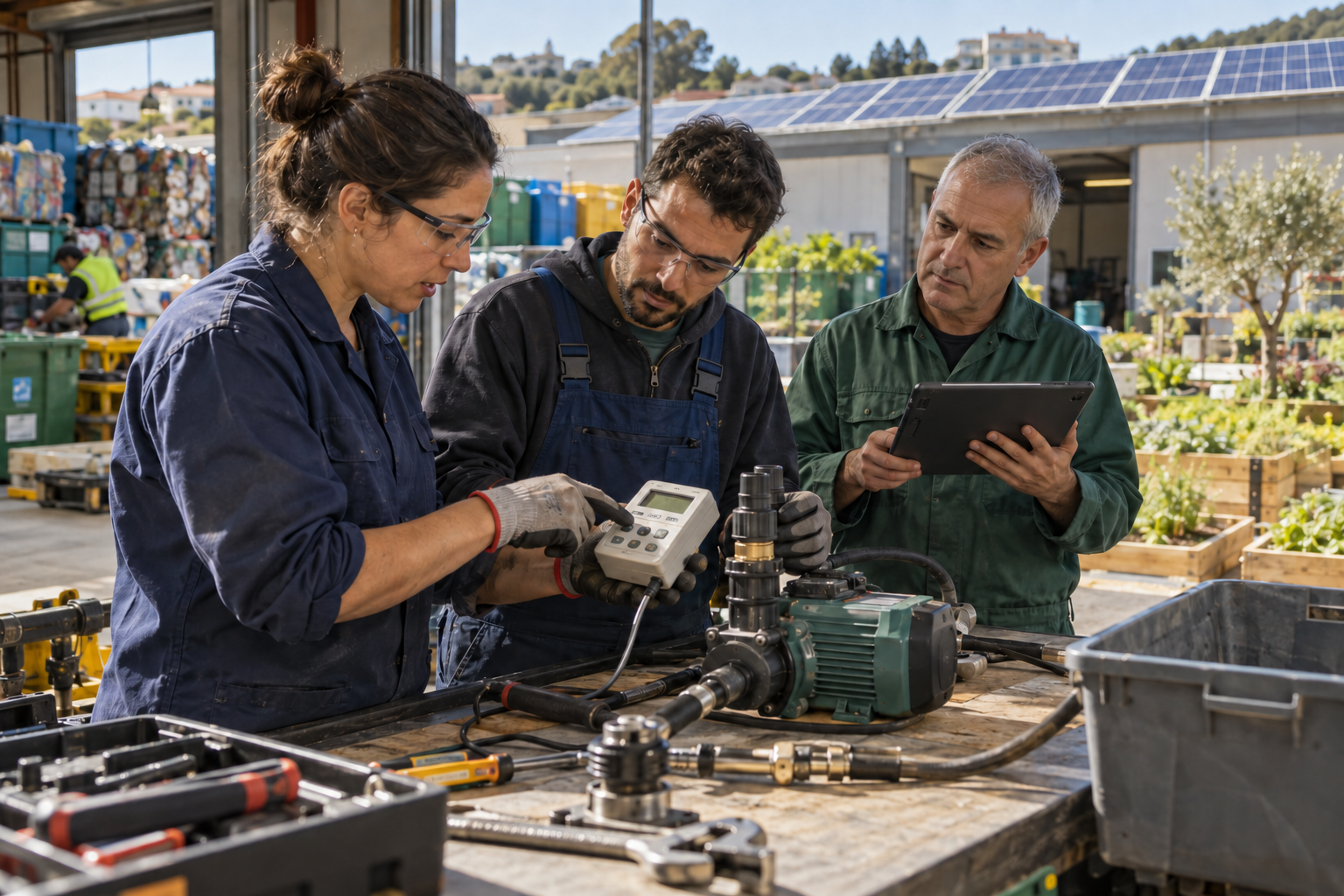
Green jobs support environmental goals, but there is more than one way to identify them. This research compares three approaches: the occupations people hold, the tasks they perform, and the skills their work requires. Its main lesson is useful across countries: using several measures together gives a fuller understanding of green employment and helps governments, employers, and training providers make better decisions.
Why the way we count matters
A country may want to know how many green jobs it has, which workers can access them, and what training will be needed. The answers depend partly on how green work is defined. Counting everyone in an environmental industry may include workers whose duties have little environmental content. Looking only at those industries can also miss green work in farming, construction, manufacturing, transport, and other parts of the economy.
The researchers compared international occupational and skills classifications using records that linked workers with their employers over several years. They examined employment patterns, worker characteristics, and wages. The study therefore offers both a way to think about green jobs and evidence about why different definitions produce different conclusions.
Three ways to understand green employment
Occupations describe the types of jobs people hold. This approach includes new jobs created by environmental activities, existing jobs whose duties are changing, and jobs that become more important as demand shifts. It helps planners identify where employment may grow and which professions may need support.
Tasks describe what people do at work. An occupation may involve activities such as improving energy efficiency, reducing material waste, or maintaining cleaner technologies. Other duties may have little environmental relevance. Measuring green tasks recognises that a job can be partly green and can change gradually as working practices improve.
Skills describe the knowledge and abilities needed for the work. Examples include understanding waste management, sustainable farming, or environmental requirements. Skills can be developed through education, vocational training, and workplace learning. This approach helps identify what people need to learn, including abilities that can be used in several industries.
What the comparison reveals
The study found large differences in estimated green employment depending on the approach used. The measures also identified different industries and groups of workers. Their limited overlap shows that each captures a different part of the same labour market. Estimates from the three approaches should not be added together, because the same jobs can appear in more than one measure.
A bus driver illustrates the difference. Public transport can reduce reliance on private cars, so the occupation may benefit from environmental policies. However, only a small part of its listed skills may be specifically environmental. Similarly, a factory worker may perform energy-saving tasks within an occupation that is not usually described as green.
For any country, the practical lesson is to explain the definition behind each figure. Comparing national totals is meaningful only when the methods, coverage, and time periods are sufficiently similar. A higher estimate under one definition does not automatically mean better environmental performance.
What the findings suggest about workers and pay
In the study, men were more likely than women to hold jobs classified as green. Higher education was generally associated with access to green work, although this varied by job category. Some indirectly green occupations showed a different pattern. For other countries, these findings identify questions to investigate locally: who gains access, who faces barriers, and which entry routes are available beyond university education?
Moving into greener work was generally associated with higher wages after the researchers accounted for several worker and job characteristics. The evidence was more consistent for the occupation and task measures than for the skills measure. Education, experience, and other recorded characteristics explained part of the wage difference; some remained unexplained.
Possible explanations include worker shortages, differences in productivity, and employers’ pay practices. These findings show a relationship, not proof that making a job greener automatically raises pay. Countries need local evidence on wages, recruitment, and the use of skills to understand the benefits of green work.
How countries can use these lessons
Improve employment measurement. Use occupation, task, and skills information together, while reporting their results separately. Adapt international classifications to local job duties and industries. Check whether the available data adequately represent small businesses, informal work, and public employment before describing the figures as national totals.
Connect training to real work. Occupation data can help identify professions that are changing. Task data can show the practical activities workers must perform. Skills data can then guide what courses should teach. This links environmental awareness with concrete abilities that employers need, such as using resources efficiently or maintaining relevant equipment.
Support existing workers as well as new entrants. The green transition changes many established jobs. Short courses, workplace learning, and updated vocational programmes can help workers adapt without always requiring a completely new career. Training should reflect the technologies and working practices actually used by local employers.
Look across industries. The research highlights environmental knowledge in agriculture, practical green tasks in water and waste management, and changing occupations in energy, construction, and transport. These examples encourage countries to examine the whole economy. Their local priorities should follow local evidence rather than assume that another labour market’s sector rankings will apply.
Widen access to opportunities. Examine barriers affecting women, workers with less formal education, and people moving out of declining industries. Recruitment and training programmes can then address the barriers found. Alongside job numbers, assess pay, contract conditions, and opportunities to progress, so that employment growth is considered together with job quality.
What can be transferred and what needs local evidence
The strongest transferable contribution is the approach: examine occupations, tasks, and skills together. The evidence comes from one national private-sector dataset covering 2010 to 2019. Its employment shares, wage estimates, and demographic patterns should not be treated as universal values.
The classifications use fixed occupational scores rather than observing every worker’s changing duties or testing individual skills. Updated data and local employer information can help address these limits. Each country can use the approach while establishing its own results.
Source: Volozhenin, S., Cerejeira, J., and Sousa, R. (2026). Measuring green jobs: Evidence from task, skill, and occupational data. Structural Change and Economic Dynamics, 80, 405–415. https://doi.org/10.1016/j.strueco.2026.07.008
Arabic version:
فهم الوظائف الخضراء وكيفية قياسها
دروس للتشغيل والتدريب
تسهم الوظائف الخضراء في تحقيق الأهداف البيئية، لكن يمكن تحديدها بأكثر من طريقة. يقارن هذا البحث بين ثلاثة مناهج: المهن التي يعمل بها الناس، والمهام التي يؤدونها، والمهارات التي يتطلبها عملهم. والدرس الأساسي الذي يمكن أن تستفيد منه مختلف البلدان هو أن استخدام عدة مقاييس معا يوفر فهما أشمل للتشغيل الأخضر، ويساعد الحكومات وأصحاب العمل ومقدمي التدريب على اتخاذ قرارات أفضل.
لماذا تهم طريقة احتساب الوظائف الخضراء
قد ترغب أي دولة في معرفة عدد وظائفها الخضراء، ومن يستطيع الوصول إليها، وما التدريب المطلوب لشغلها. وتعتمد الإجابات جزئيا على تعريف العمل الأخضر. فاحتساب جميع العاملين في قطاع بيئي قد يشمل أشخاصا لا ترتبط واجباتهم بالبيئة إلا بدرجة محدودة. وفي المقابل، قد يؤدي الاقتصار على هذه القطاعات إلى إغفال أعمال خضراء في الزراعة والبناء والصناعة والنقل وغيرها من الأنشطة الاقتصادية.
قارن الباحثون بين تصنيفات دولية للمهن والمهارات، باستخدام سجلات تربط العاملين بأصحاب عملهم على مدى عدة سنوات. ودرسوا أنماط التشغيل وخصائص العاملين والأجور. وبذلك تقدم الدراسة طريقة لفهم الوظائف الخضراء، وأدلة توضح لماذا تؤدي التعريفات المختلفة إلى استنتاجات مختلفة.
ثلاث طرق لفهم التشغيل الأخضر
المهن: هي أنواع الوظائف التي يشغلها الناس. ويشمل هذا المنهج وظائف جديدة أوجدتها الأنشطة البيئية، ووظائف قائمة تتغير واجباتها، ومهنا تزداد أهميتها مع تغير الطلب. ويساعد المخططين على تحديد المجالات التي قد تنمو فيها فرص العمل والمهن التي قد تحتاج إلى دعم.
المهام: هي ما يؤديه الناس فعليا في عملهم. فقد تشمل المهنة تحسين كفاءة الطاقة، أو تقليل هدر المواد، أو صيانة تقنيات أنظف، إلى جانب واجبات أخرى محدودة الصلة بالبيئة. ويقر قياس المهام الخضراء بأن الوظيفة قد تكون خضراء جزئيا، وأنها قد تتغير تدريجيا مع تحسن ممارسات العمل.
المهارات: هي المعارف والقدرات اللازمة للعمل، مثل مهارات إدارة النفايات أو الزراعة المستدامة أو المتطلبات البيئية. ويمكن تطويرها بالتعليم والتدريب المهني والتعلم في مكان العمل. ويساعد هذا المنهج على تحديد ما يحتاج الناس إلى تعلمه، بما في ذلك القدرات التي يمكن استخدامها في عدة قطاعات.
ما الذي تكشفه المقارنة
وجدت الدراسة فروقا كبيرة في تقديرات التشغيل الأخضر تبعا للمنهج المستخدم. كما حددت المقاييس قطاعات وفئات مختلفة من العاملين. ويشير التقاطع المحدود بينها إلى أن كل مقياس يرصد جانبا مختلفا من سوق العمل نفسه. ولا ينبغي جمع تقديرات المناهج الثلاثة، لأن الوظائف ذاتها قد تظهر في أكثر من مقياس.
يوضح سائق الحافلة هذا الفرق. فالنقل العام قد يقلل الاعتماد على السيارات الخاصة، ولذلك قد تستفيد هذه المهنة من السياسات البيئية، رغم أن جزءا صغيرا فقط من مهاراتها المصنفة قد يكون بيئيا بصورة مباشرة. وبالمثل، قد يؤدي عامل في مصنع مهام توفر الطاقة ضمن مهنة لا توصف عادة بأنها خضراء.
والدرس العملي لأي بلد هو توضيح التعريف الذي يستند إليه كل رقم. ولا تكون مقارنة الإجماليات الوطنية ذات معنى إلا عندما تتشابه طرق القياس ونطاق التغطية والفترات الزمنية بدرجة كافية. وارتفاع التقدير وفق تعريف معين لا يعني تلقائيا أن الأداء البيئي أفضل.
ما الذي تشير إليه النتائج بشأن العاملين والأجور
كان الرجال في الدراسة أكثر احتمالا من النساء لشغل وظائف مصنفة بأنها خضراء. وارتبط التعليم العالي عموما بالوصول إلى العمل الأخضر، مع اختلاف ذلك حسب فئة الوظيفة؛ إذ أظهرت بعض المهن المرتبطة بالتحول الأخضر بصورة غير مباشرة نمطا مختلفا. وتطرح هذه النتائج أسئلة تستحق الدراسة محليا في البلدان الأخرى: من يصل إلى الفرص، ومن يواجه عوائق، وما مسارات الدخول المتاحة إلى جانب التعليم الجامعي؟
ارتبط الانتقال إلى عمل أكثر مراعاة للبيئة عموما بأجور أعلى، بعد مراعاة عدة خصائص للعاملين والوظائف. وكانت الأدلة أكثر اتساقا في مقياسي المهن والمهام مقارنة بمقياس المهارات. وقد فسر التعليم والخبرة وغيرهما من الخصائص المسجلة جزءا من فروق الأجور، بينما بقي جزء دون تفسير.
من التفسيرات المحتملة نقص العاملين، واختلاف الإنتاجية، وسياسات الأجور لدى أصحاب العمل. وتوضح هذه النتائج وجود علاقة، لكنها لا تثبت أن زيادة الطابع البيئي للوظيفة ترفع الأجر تلقائيا. وتحتاج البلدان إلى أدلة محلية عن الأجور والتوظيف واستخدام المهارات لفهم فوائد العمل الأخضر.
كيف تستفيد البلدان من هذه الدروس
تحسين قياس التشغيل. استخدام بيانات المهن والمهام والمهارات معا، مع عرض نتائج كل منها بصورة منفصلة، ومواءمة التصنيفات الدولية مع واجبات الوظائف والقطاعات المحلية. وينبغي التأكد من أن البيانات تمثل المنشآت الصغيرة والعمل غير المنظم والتشغيل في القطاع العام تمثيلا كافيا، قبل وصف الأرقام بأنها إجماليات وطنية.
ربط التدريب بالعمل الفعلي. تساعد بيانات المهن على تحديد المهن التي تتغير، وتوضح بيانات المهام الأنشطة العملية المطلوبة من العاملين، ثم توجه بيانات المهارات محتوى الدورات. وهذا يربط الوعي البيئي بقدرات ملموسة يحتاجها أصحاب العمل، مثل الاستخدام الكفؤ للموارد أو صيانة المعدات ذات الصلة.
دعم العاملين الحاليين والداخلين الجدد إلى سوق العمل. يغير التحول الأخضر كثيرا من الوظائف القائمة. ويمكن للدورات القصيرة والتعلم في مكان العمل وتحديث برامج التدريب المهني أن تساعد العاملين على التكيف، دون الحاجة دائما إلى تغيير مسارهم المهني بالكامل. وينبغي أن يعكس التدريب التقنيات وممارسات العمل المستخدمة فعليا لدى أصحاب العمل المحليين.
النظر إلى مختلف القطاعات. يبرز البحث المعارف البيئية في الزراعة، والمهام الخضراء العملية في إدارة المياه والنفايات، والمهن المتغيرة في الطاقة والبناء والنقل. وتشجع هذه الأمثلة البلدان على دراسة الاقتصاد بأكمله. ويجب تحديد الأولويات استنادا إلى الأدلة المحلية، دون افتراض أن ترتيب القطاعات في سوق عمل آخر ينطبق محليا.
توسيع الوصول إلى الفرص. دراسة العوائق التي تواجه النساء والعاملين الأقل تعليما نظاميا، ومن ينتقلون من قطاعات متراجعة، ثم تصميم برامج توظيف وتدريب تعالج العوائق المحددة. وإلى جانب عدد الوظائف، ينبغي تقييم الأجور وشروط العقود وفرص التقدم المهني، للنظر إلى نمو التشغيل وجودة الوظائف معا.
ما الذي يمكن الاستفادة منه وما الذي يحتاج إلى أدلة محلية
أبرز إسهام يمكن نقله إلى بلدان أخرى هو المنهج: دراسة المهن والمهام والمهارات معا. وتستند الأدلة الأصلية إلى مجموعة بيانات عن القطاع الخاص في بلد واحد، تغطي الفترة من 2010 إلى 2019. ولذلك، لا ينبغي التعامل مع نسب التشغيل وتقديرات الأجور والأنماط السكانية الواردة فيها بوصفها قيما تنطبق على جميع البلدان.
تستخدم التصنيفات درجات ثابتة للمهن، بدلا من رصد تغير واجبات كل عامل أو اختبار مهاراته الفردية. ويمكن أن تساعد البيانات المحدثة والمعلومات المستمدة من أصحاب العمل المحليين على معالجة هذه القيود. وبوسع كل بلد استخدام المنهج مع التوصل إلى نتائجه الخاصة.